

7 Watch Cleaning Mistakes That Can Damage Luxury Watches
The biggest watch cleaning mistakes are soaking leather straps, scrubbing with abrasive household products, running an assembled watch through an ultrasonic cleaner, and cleaning with the crown unsecured. If you’re not sure whether your watch can handle liquid at all, stop, push or screw the crown fully in, and skip any soaking until you confirm its water-resistance rating.
TL;DR:
- For water resistant metal watches, secure the crown before cleaning, use lukewarm water with one drop of mild soap, and rinse with low pressure.
- Leather straps need only a barely damp cloth; wipe them without soaking, then apply a small amount of leather balm and let it cure overnight.
- Use an ultrasonic cleaner only on a detached metal bracelet; never put the assembled watch through the bath, because vibration can disturb movement parts.
- Avoid toothpaste, baking soda, and abrasive polishing creams, which can scratch crystals or wear through thin PVD and DLC coatings.
- Test water resistance yearly for watches worn near water, and consult a watchmaker if fog appears under the crystal or pushers feel stiff.
Table of Contents
- 1. Common watch cleaning mistakes to avoid
- 2. Why these mistakes damage watches
- 3. Safe alternatives and fixes that protect your watch
- 4. When to stop home cleaning and call a professional
- 5. How do you clean watch crowns and pushers without damaging the seals?
- 6. How to clean a metal bracelet without damaging pins or links
- 7. Advice on drying methods to avoid moisture buildup inside the case
- 8. Storage conditions that protect a freshly cleaned watch
- 9. Common mistakes when using polishing creams
- 10. A specialist’s take on watch care habits
- 11. A simpler way to get the safe steps right every time
- FAQ
- Sources
1. Common watch cleaning mistakes to avoid
Most of the damage we see on luxury watches traces back to a handful of repeated habits. Each one looks harmless in the moment and costs real money later.
- Soaking leather straps or low-rated dress watches: Leather absorbs water and detergent, which leads to permanent staining, seam rot, and cracking; dress watches can let moisture past the gaskets during a full soak.
- Scrubbing with toothpaste or baking soda: These household staples are mildly abrasive, which means they leave micro-scratches on crystals and strip thin coatings like PVD right off the case.
- Running an assembled watch through an ultrasonic cleaner: The vibration can loosen dial markers, dislodge internal lubricant, and compromise gasket seals, according to GQ’s watch care guide.
- Operating the crown or pushers while the watch is wet: Water can be forced past the stem seals the moment you pull or twist a crown that isn’t fully screwed down or pushed in.
- Using compressed air cans near the case: The cold propellant can drive debris deeper into pushers and crown tubes, and the sudden temperature drop sometimes causes internal condensation.
- Reaching for a hair dryer or strong solvents: Heat warps leather and softens adhesives, while solvents strip finishes and degrade strap dyes and coatings.
- Skipping a rinse after seawater or a sweaty workout: Salt and perspiration accelerate corrosion on case backs, crowns, and bracelet links, and they wear down gaskets faster than plain water does.
2. Why these mistakes damage watches
Each mistake above traces back to a specific material or mechanical vulnerability. Salt and dried sweat are mildly corrosive, so they abrade metal surfaces and gasket rubber over time, which is why water resistance quietly degrades even on watches that are never fully submerged. Longines’ maintenance guidance notes that regular cleaning removes these residues before they cause lasting wear.
Abrasive pastes and powders work by physically grinding away a microscopic layer of whatever they touch, which is fine on a kitchen counter but ruinous on a sapphire bezel insert or a PVD-coated case, since that coating is only microns thick.
Ultrasonic cleaners rely on high-frequency vibration to shake dirt loose, but that same vibration does not distinguish between grime and the tiny components inside a movement. Lubricant can redistribute to the wrong places, and delicate parts like dial feet or hairsprings can shift.
Heat and solvents break down the organic fibers and adhesives in leather, which shows up as discoloration, stiffness, and eventually seam failure, often months after the damage was actually done.
3. Safe alternatives and fixes that protect your watch
You can clean most watches thoroughly without any of the risks above. The method depends on the case material and strap, but the principles stay consistent: gentle products, low pressure, and a secured crown.
- For water-resistant metal watches: Confirm the crown is fully screwed or pushed in, then wipe with a barely damp microfiber cloth, or prepare a bowl of lukewarm water with a single drop of neutral, fragrance-free dish soap. Use a soft brush on crevices, rinse under a gentle, low-pressure stream, and pat dry along the grain of the metal.
- For leather straps: Wipe with a barely damp microfiber cloth only, never a soak, then apply a pea-size dab of leather balm in straight, linear strokes and let it cure overnight before wearing the watch again.
- For metal bracelets: Remove the bracelet before any ultrasonic cleaning, our bracelet link cleaning checklist walks through the process, or clean it in place with soapy water and a soft brush, then dry it and clear the crevices with an air-puffer.
- If an abrasive product has already scratched the watch: Stop immediately, clean gently with a microfiber cloth, and consult a watchmaker about polishing or crystal replacement. Acrylic scratch kits such as PolyWatch can work on acrylic crystals, but they do nothing for mineral or sapphire glass, per GQ’s reporting.
Pro Tip: Keep a manual rubber air-puffer and a soft-bristle toothbrush set aside strictly for watch care, rather than reaching for canned air or a toothbrush that’s seen toothpaste.
For a fuller walkthrough with frequency recommendations, our guide on watch cleaning for collectors covers the full routine step by step.
4. When to stop home cleaning and call a professional
Some symptoms mean a watchmaker needs to open the case, not another round of microfiber and soap.
- Condensation or fog visible under the crystal.
- Pushers that feel sticky, gritty, or stiff to depress.
- A bezel that won’t rotate smoothly, or a crown that wobbles.
- Any grinding, clicking, or unusual noise from the case.
If you notice any of these, stop cleaning and take the watch to a certified watchmaker rather than continuing at home. Watches worn in or near water should have their water resistance tested annually, and vintage pieces or anything in precious metal deserve a conservative approach: consult a professional before attempting polishing or ultrasonic work on those watches at all. Our piece on DIY watch restoration mistakes covers more of the warning signs worth knowing before you attempt a repair yourself.
5. How do you clean watch crowns and pushers without damaging the seals?
Crowns and pushers are the most vulnerable entry points on a watch case, because their seals are smaller and work harder than the gasket on the case back. The first rule is sequencing: always confirm the crown is fully screwed down or pushed in before any liquid touches the watch, as Longines advises, since operating it while wet is one of the fastest ways to force moisture past the stem seal.
To clean around the crown itself, use a dry, soft-bristle brush to loosen debris from the grooves, then follow with a barely damp microfiber cloth. Avoid pressing hard or rotating the crown during this step, even if it feels stuck. Pushers on chronographs need the same restraint: a dry brush first, then a damp wipe, never a pick or a pin, which can scratch the seal housing or push grime deeper inside.
If a pusher feels gritty or resistant after cleaning, that’s a sign the seal may need professional attention rather than more scrubbing. Forcing a stiff pusher can damage the chronograph mechanism behind it, turning a simple cleaning job into a repair bill.
6. How to clean a metal bracelet without damaging pins or links
A metal bracelet collects more grime than the case itself, since skin oils and dust settle between every link. The safest approach keeps the bracelet attached to the case unless you’re specifically preparing it for an ultrasonic bath.
Start by brushing the links with a soft-bristle brush dipped in lukewarm, soapy water, working in short strokes to loosen debris trapped at the joints. Rinse under a gentle stream, then dry thoroughly before using an air-puffer to clear water from between the links, since trapped moisture there is what eventually causes link corrosion.
If you plan to remove the bracelet for a deeper clean or an ultrasonic bath, use a proper spring-bar tool rather than a knife or flathead screwdriver. Those improvised tools slip easily and scratch the lugs or bend the pins, which can leave links loose or misaligned when reassembled. Push pins in on bracelets that use them, and keep track of link order since many bracelets taper and are not interchangeable end to end. Our ultrasonic cleaning guide covers which bracelet materials tolerate an ultrasonic bath safely once removed.

7. Advice on drying methods to avoid moisture buildup inside the case
Drying is where a lot of careful cleaning gets undone. Wiping too fast or in the wrong direction can push water toward the crown and crystal edges rather than away from them.
Always dry along the grain of the metal using a clean, dry microfiber cloth, applying light pressure rather than rubbing. For crevices around lugs, pushers, and bracelet links, a manual air-puffer clears trapped moisture far more safely than compressed air, which can drive water deeper rather than out. Let the watch air-dry for several minutes afterward before you consider it fully dry, since moisture can linger in link gaps even when the surface looks clean.
Never use a hair dryer or any other heat source to speed up drying. Heat does not just risk warping a leather strap, it can also cause trapped moisture to expand and find its way past a gasket that was otherwise fine. If you notice any fogging under the crystal after drying, that moisture made it inside the case and the watch needs a watchmaker’s attention rather than another drying attempt.
8. Storage conditions that protect a freshly cleaned watch
A clean watch can pick up new problems fast if it’s stored carelessly right afterward. Give the watch a few extra minutes of air-drying before putting it away, since sealing in any residual moisture defeats the point of cleaning it in the first place.
Store watches in a stable, moderate environment, away from direct sunlight, radiators, or bathroom humidity, all of which accelerate both leather degradation and lubricant breakdown inside the movement. A watch box or soft pouch with some airflow works better than an airtight container, which can trap humidity rather than release it.
If you store multiple watches together, keep leather-strapped pieces separate from metal bracelets to avoid transferring oils or moisture between materials. For watches that won’t be worn for a while, a brief wipe-down before storage prevents residue from setting in, and periodic checks every few weeks catch any early signs of strap stiffening or case fogging before they become bigger issues.
9. Common mistakes when using polishing creams
Polishing cream mistakes usually come from two directions: using too much product, or applying it without understanding what the case is actually coated with. A thick layer of cream doesn’t polish faster, it just increases the risk of grinding away more metal than intended, which is how cases develop thin spots or rounded edges over repeated polishing sessions.
The safer approach is a small amount of cream applied with a soft microfiber cloth in straight, even strokes rather than circular scrubbing, which can create swirl marks on polished surfaces. Brushed finishes need strokes that follow the existing grain direction, since cross-grain polishing visibly alters the finish pattern. Coated surfaces, including PVD and DLC, generally should not be polished at all with abrasive creams, since the coating itself can be worn through, exposing the base metal underneath.
Always test on a small, inconspicuous area first, and wipe away residue thoroughly afterward so it doesn’t sit in crevices or against gaskets. Our guide on removing fingerprints from a luxury watch covers the gentler end of this maintenance, useful for day-to-day upkeep between full polishing sessions. If a watch has deep scratches or a coating you’re unsure about, that’s a case for a watchmaker rather than a home polishing attempt, particularly on vintage or precious-metal pieces where the margin for error is small.

10. A specialist’s take on watch care habits
Small, consistent care prevents most of the repair bills we see. Catching a sticky pusher or a worn gasket early, rather than after a soak or an ultrasonic mistake, keeps a simple fix simple. Serious issues still call for a professional watchmaker.
— Raymond Jenkins
11. A simpler way to get the safe steps right every time
Following every step above with separate products can feel like more than most watch owners want to manage. Our Ultimate Watch Cleaning Kit offers a cleaning solution for luxury timepieces, so you’re not guessing which household products are safe.
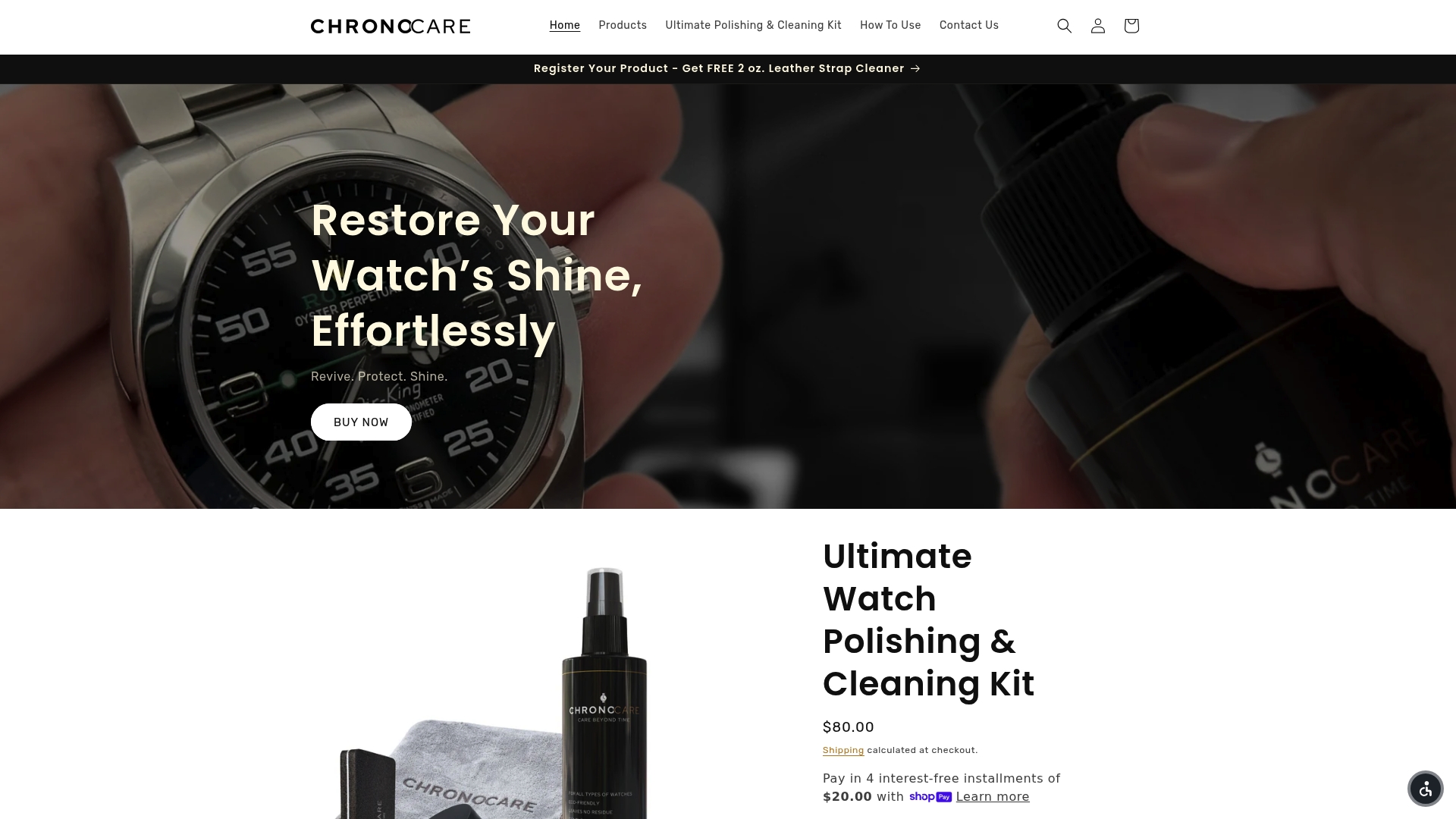
For scratches or dull finishes, our watch polishing cream is intended for watch care. Visit either product page for full usage instructions and ingredient details before your next cleaning session.
FAQ
What are some common problems with watches?
Common problems include reduced water resistance from worn gaskets, scratched crystals or coatings from abrasive cleaning, and sticky or stiff pushers and crowns from dirt buildup. Many of these stem from cleaning mistakes rather than normal wear, which is why gentle, correct maintenance matters.
How often should a watch be serviced?
Water-resistant sport watches generally benefit from a monthly surface clean, while dress watches and leather-strapped pieces do well with a weekly dry wipe, according to Longines. Beyond routine cleaning, water resistance should be professionally tested about once a year if the watch sees regular water exposure.
Can you use Dawn dish soap to clean a watch?
A tiny amount, around a single drop, of neutral, fragrance-free dish soap mixed into lukewarm water is considered safe for water-resistant metal watches, as long as the crown is fully secured first. It is not appropriate for leather straps or for watches with a low or uncertain water-resistance rating.
How do you clean a high-end luxury watch?
Start by confirming the water-resistance rating and securing the crown, then use a barely damp microfiber cloth or a mild soap-and-water solution for the case and bracelet, never an ultrasonic bath on an assembled watch. Leather straps should only be wiped, never soaked, and any vintage or precious-metal piece is best handled with professional guidance before polishing.
What should I check before buying a used luxury watch to clean and restore?
Before any cleaning or restoration, confirm the watch’s authenticity and current condition, since pre-owned pieces can have prior water damage or non-original parts that change how they should be cleaned. Resources like watch authentication guidance for buyers outline what to verify before you invest time or products into restoring a secondhand piece.
Sources
- How to clean a watch | LONGINES US
- How to Clean a Watch: A Step-by-Step Care Guide for Steel Timepieces | GQ