

Watch Care Product Safety: What Every Owner Must Know
Watch care product safety is the practice of selecting and using cleaning and maintenance products that are chemically and mechanically safe for your watch, protecting both its function and appearance. Most watch owners focus on aesthetics, but the wrong cleaner can strip coatings, corrode seals, and permanently damage a movement worth thousands of dollars. Understanding what is watch care product safety means knowing which chemical standards apply, which ingredients to avoid, and how to apply products correctly. ChronoCare builds every product in its lineup around these principles, because safe care and effective care are the same thing.
What chemical and regulatory standards govern watch care product safety?
Watch care product safety sits within a broader regulatory framework that most owners never see but every reputable manufacturer must follow. Watches are classified as low-risk consumer products under international standards, but that classification comes with strict chemical restrictions. Ignoring those restrictions is how products end up damaging the very watches they claim to protect.
The European Union’s REACH regulation is the most consequential standard for watch care chemistry. Effective december 1, 2026, watch exports to the EU must notify the European Chemicals Agency via the SCIP database if any restricted substance exceeds 0.1% by weight. That threshold is extremely low. It means cleaning sprays, polishing creams, and leather conditioners sold in or exported to Europe must be formulated with verified, traceable ingredients.
In the United States, 16 CFR Part 1263 governs battery compartment safety, requiring that watch battery compartments need a tool or two independent movements to open. This protects against accidental ingestion of button cells, which is a real hazard for households with children. EU RoHS directives add further restrictions on toxic metals like lead, mercury, and cadmium in watch components. These standards shape what responsible watch care product manufacturers can and cannot put in their formulas.
| Standard | Jurisdiction | What it restricts |
|---|---|---|
| REACH SVHC / SCIP | European Union | Hazardous substances above 0.1% by weight |
| EU RoHS | European Union | Toxic metals: lead, mercury, cadmium, chromium VI |
| 16 CFR Part 1263 | United States | Battery compartment access and ingestion risk |
| ISO 16359:2025 | International | Watch testing and material classification |
Compliant products list their ingredients clearly and avoid substances on the REACH Substances of Very High Concern list. When a product does not disclose its formula, that is a warning sign. Safe watch care starts with transparency at the ingredient level.
What does watch care product pH mean for your watch?
pH is a measure of how acidic or alkaline a liquid is, on a scale from 0 to 14. A pH of 7 is neutral. Products below 7 are acidic; products above 7 are alkaline. For watch care, this number matters more than most owners realize.
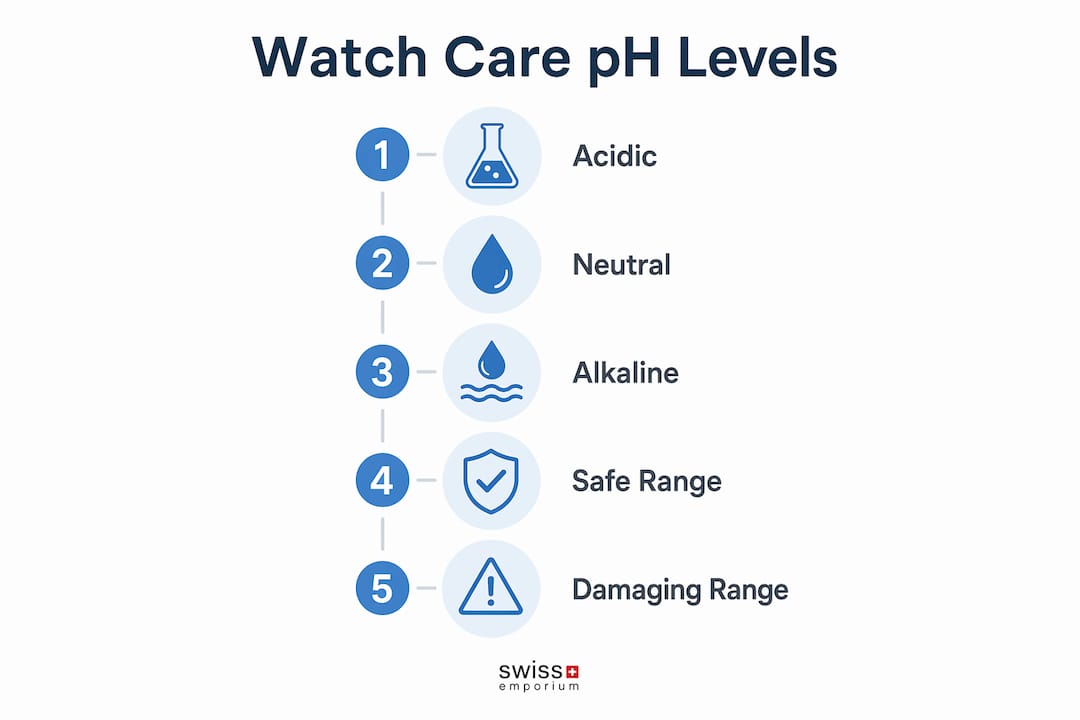
pH-balanced formulas are the standard for safe cleaning of stainless steel, gold, and titanium. These metals react to chemical environments in different ways. Alkaline cleaners can oxidize gold plating and strip PVD coatings. Acidic cleaners can pit stainless steel and degrade rubber gaskets. A formula sitting near neutral pH cleans effectively without triggering those reactions.
Crystal type also determines what a product can safely touch. Mineral crystals scratch easily and are sensitive to abrasive compounds. Acrylic crystals can cloud when exposed to solvents. Sapphire crystals are the most durable but can still be damaged by alkaline residue left in crevices around the bezel. Proper pH formulation protects all three crystal types without requiring owners to know which they have.
Compounds to avoid include:
- Naphtha and petroleum distillates: These dissolve rubber seals and degrade gaskets rapidly.
- Ammonia-based cleaners: Common in household glass cleaners, ammonia attacks metal plating and watch seals.
- Bleach and chlorine compounds: Cause corrosion on stainless steel and destroy leather straps.
- Acetone and alcohol above low concentrations: Strip acrylic crystals and dissolve adhesives used in watch assembly.
- Abrasive particles: Found in some polishing compounds, these scratch soft metals and coatings permanently.
Water-based, pH-neutral sprays clean effectively because they lift oils and particulates without chemical aggression. They rinse cleanly, leave no residue, and are safe for the seals that keep moisture out of the movement.
Pro Tip: Before buying any watch cleaning spray, check the product description for explicit pH balance claims and a list of materials it is safe for. If neither appears, choose a different product.
What are practical safety tips for preventing watch damage?
Safe product selection only covers half the equation. How you use those products determines whether your watch stays protected or gets damaged. Most watch damage incidents come from improper operational handling, not from product chemistry alone.
Follow these steps for safe, effective watch care:
-
Check water resistance before any wet cleaning. Water resistance ratings degrade over time as gaskets age and seals weaken. A watch rated at 30 meters when new may no longer hold that rating after several years without a pressure test. Never submerge a watch for cleaning unless you have confirmed its current seal integrity.
-
Never operate the crown or pushers underwater or with wet hands. Water follows the crown shaft directly into the movement. Even a watch with strong water resistance can be compromised by pulling the crown while wet.
-
Apply cleaning products with a soft microfiber cloth, not a brush. Brushes, especially metal ones, scratch case finishing and crystal edges. A microfiber cloth applies product evenly and lifts debris without abrasion.
-
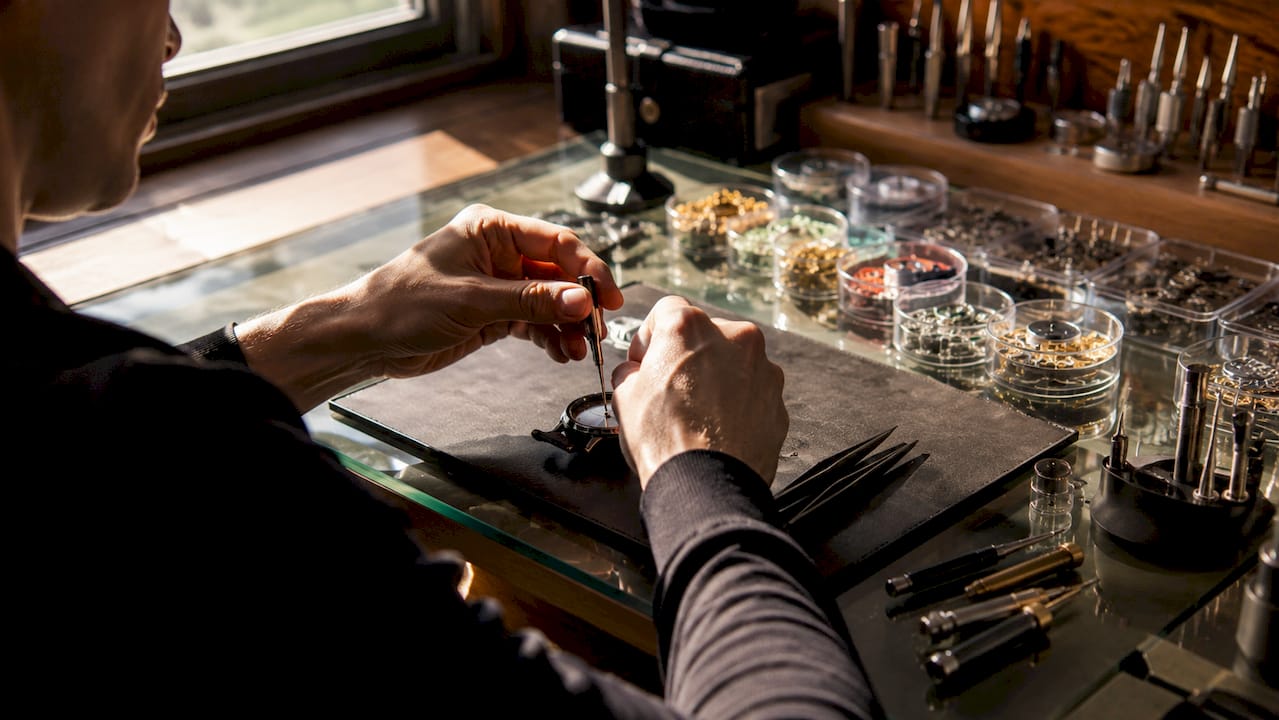
Avoid DIY movement interventions. Non-specialized cleaning products and amateur disassembly are the leading causes of mechanical failure. Opening a case back without proper tools introduces dust, moisture, and static that damage the movement.
-
Never change the date between approximately 9 PM and 3 AM on a mechanical watch. During this window, the gear train is actively engaged in the date-change cycle. Forcing the date corrector against engaged gears strips teeth and causes expensive damage.
-
Remove dead batteries from quartz watches promptly. Dead batteries left inside a watch case leak acid that corrodes the movement permanently. This is one of the most preventable causes of quartz watch failure.
-
Schedule professional pressure testing annually. A watchmaker can test seal integrity and replace gaskets before moisture gets in. This single habit prevents the most common cause of watch movement failure.
Pro Tip: A daily wipe with a dry microfiber cloth removes skin oils, sweat, and dust before they accumulate. Pair this with a monthly application of a watch-safe cleaning spray and you eliminate the need for aggressive cleaning sessions entirely.
How do safety needs differ by watch type and material?
Watch care product safety is not one-size-fits-all. A vintage dress watch with a lacquered dial needs a completely different approach than a modern titanium sports watch. Matching your care method to your watch type prevents the most common material-specific damage.
Quartz watches are generally more tolerant of brief moisture exposure during cleaning, but their battery compartments require extra attention. Mechanical watches have no battery risk but are more sensitive to vibration, magnetic fields, and lubricant contamination from cleaning products that seep past seals. For mechanical watches, minimal intervention with proper storage preserves longevity better than frequent aggressive cleaning.
Ultrasonic cleaning is effective for metal bracelets but requires expert judgment. The vibration frequency can loosen stones in set bezels, stress aging gaskets, and damage vintage lacquer dials. ChronoCare covers the nuances of ultrasonic cleaning for luxury timepieces in detail, because this method is frequently misapplied by well-meaning owners.
| Watch type / material | Safe product features | Methods to avoid |
|---|---|---|
| Stainless steel bracelet | pH-neutral, water-based spray | Bleach, ammonia, abrasive pads |
| Gold or gold-plated case | Non-alkaline, alcohol-free formula | Alkaline cleaners, ultrasonic without expert oversight |
| Titanium case | Mild, non-acidic formula | Acidic cleaners, metal brushes |
| Rubber or silicone strap | Water-based, solvent-free cleaner | Naphtha, acetone, petroleum distillates |
| Leather strap | Dedicated leather conditioner | Water immersion, alcohol-based sprays |
| Acrylic crystal | Gentle, non-solvent formula | Acetone, strong alcohol concentrations |
| Vintage watch with aged seals | Dry microfiber only unless serviced | Any liquid product without prior pressure test |
Luxury and vintage watches carry an additional layer of risk. Original patina, aged lume, and hand-applied dials are irreplaceable. Aggressive polishing on a vintage Rolex or Patek Philippe removes the very character that gives the watch its value. ChronoCare’s luxury watch care routine guide addresses this directly, emphasizing preservation over restoration for collector-grade pieces.
Key Takeaways
Safe watch care product use requires pH-balanced, REACH-compliant formulas applied correctly to match your watch’s specific materials and water resistance status.
| Point | Details |
|---|---|
| pH balance protects materials | Neutral pH formulas clean stainless steel, gold, and titanium without stripping coatings or corroding seals. |
| Regulatory compliance matters | REACH SVHC and EU RoHS standards define which chemical ingredients are safe in watch care products. |
| Water resistance degrades | Annual pressure testing by a watchmaker is the only reliable way to confirm seal integrity before wet cleaning. |
| Material type dictates method | Leather, rubber, acrylic, and sapphire each require different product formulations and application techniques. |
| Handling errors cause damage | Changing dates during gear engagement or leaving dead batteries inside are leading causes of preventable watch failure. |
The habit that protects more than any product
After years of working with watch collectors, the pattern I see most often is this: owners spend serious money on a fine timepiece, then reach for whatever cleaner is under the sink. The watch survives the first cleaning. The second. By the third, the crown seal is soft, the case back gasket is compromised, and moisture has found its way in. The repair bill exceeds what a year of proper products would have cost.
The misconception I find most damaging is treating water resistance as a permanent feature. It is a condition. Gaskets age, seals compress, and a watch that was rated to 100 meters at purchase may not hold 30 meters five years later without a gasket replacement. Owners who know this get their watches pressure tested. Owners who do not eventually hand a fogged dial to a watchmaker.
My honest recommendation is to think of watch care the way you think of dental hygiene. Gentle, consistent daily habits prevent the problems that require expensive intervention. A dry microfiber wipe after wearing, a pH-balanced spray once a month, and an annual service appointment will keep most watches in excellent condition for decades. The products matter, but the routine matters more. Small preventive habits are what separate a watch that lasts a lifetime from one that needs a movement overhaul at year seven.
— Raymond Jenkins
ChronoCare products built for safe, confident care
ChronoCare formulates every product in the United States with pH-balanced, material-safe ingredients that meet international chemical safety standards. Each formula is designed for specific watch materials, from stainless steel bracelets to leather straps, so you are never guessing whether a product is compatible with your timepiece.
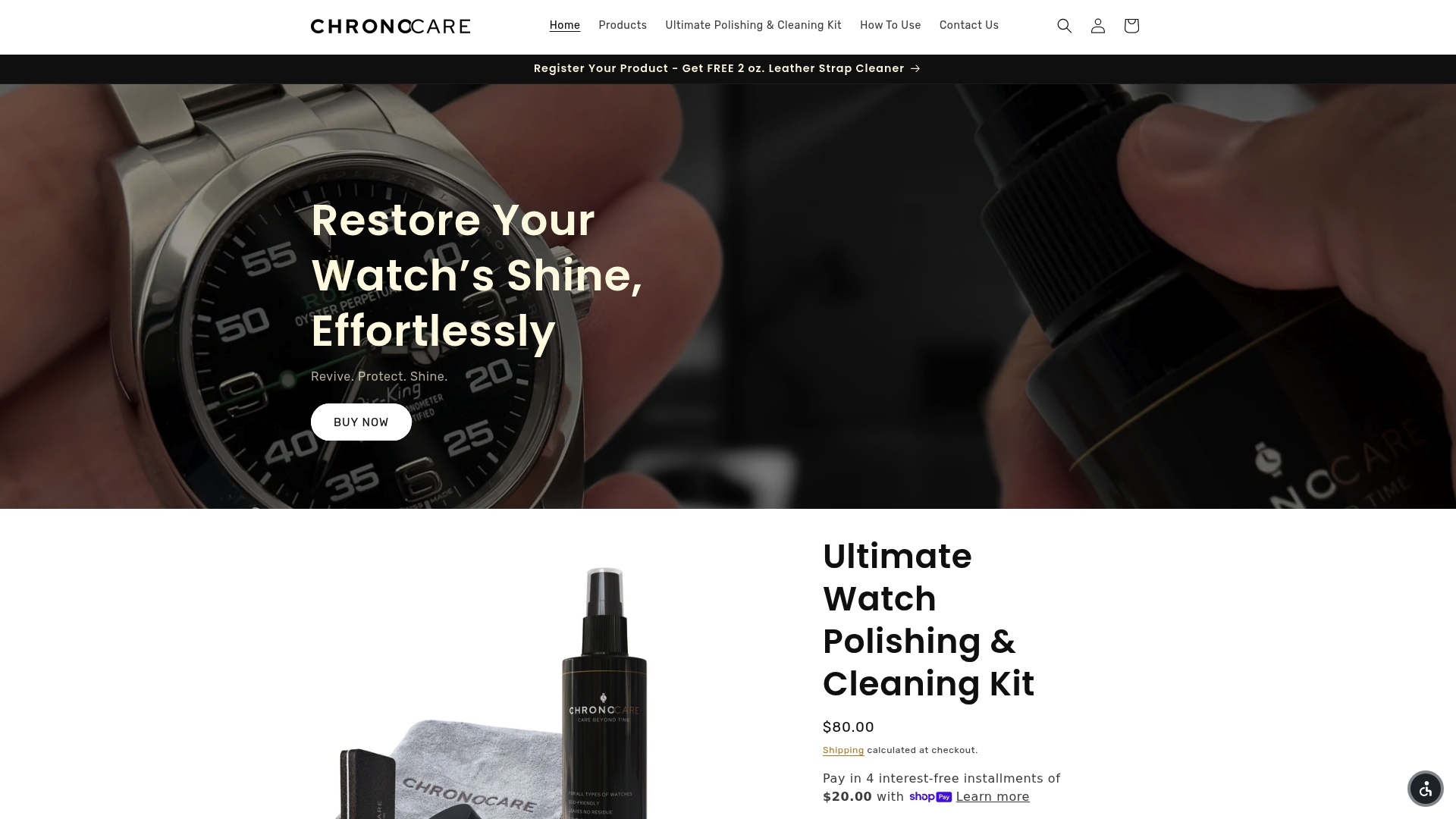
The ChronoCare Ultimate Watch Cleaning Kit includes a pH-neutral cleaning spray, microfiber cloths, and a detailing brush sized for bracelet links, giving you everything needed for a complete, safe cleaning routine. For watches that need surface restoration alongside cleaning, the Ultimate Watch Polishing and Cleaning Kit adds a polishing cream formulated to protect metal surfaces while removing light scratches. Both kits are built around the same principle: effective care should never come at the expense of your watch’s safety.
FAQ
What is watch care product safety?
Watch care product safety is the practice of choosing and using cleaning and maintenance products that will not damage your watch’s materials, seals, or movement. Safe products are pH-balanced, free of harsh solvents, and formulated for the specific metals, crystals, and straps found on your watch.
Are household cleaners safe for watches?
General household cleaners are not safe for watches. They commonly contain ammonia, bleach, or abrasive particles that strip coatings, degrade rubber seals, and corrode metal surfaces.
What does pH mean for watch cleaning products?
pH measures how acidic or alkaline a product is. pH-balanced formulas near neutral (pH 7) clean effectively without corroding metals, clouding crystals, or breaking down the gaskets that keep moisture out of the movement.
How often should I have my watch pressure tested?
Annual pressure testing by a qualified watchmaker is the standard recommendation. Seal degradation over time makes moisture ingress one of the leading causes of watch failure, and a pressure test is the only way to catch it before damage occurs.
Can I use the same cleaning product on all my watches?
Not reliably. Leather straps, rubber straps, acrylic crystals, and gold plating each react differently to chemical formulas. Use products that specify material compatibility, and when in doubt, consult ChronoCare’s watch bracelet cleaning checklist to match the right method to each watch in your collection.