

Restore Pre-Owned Watch Appearance: 2026 Guide
Restoring a pre-owned watch’s appearance is defined as the process of cleaning, polishing, and refurbishing a timepiece to return it close to its original condition while protecting its long-term value. The industry distinguishes two philosophies: restoration, which targets a factory-new look, and preservation, which maintains a watch’s character and function without erasing its history. Knowing which path fits your watch determines every decision that follows. For pre-owned luxury watches, the stakes are real. Professional refinishing costs $300–$800 and can add $500–$1,500 in resale value, making the choice between DIY care and professional service a financial one as much as an aesthetic one. ChronoCare’s cleaning and polishing products are built specifically for owners who want results without risking that value.
How to restore pre-owned watch appearance at home: the right tools
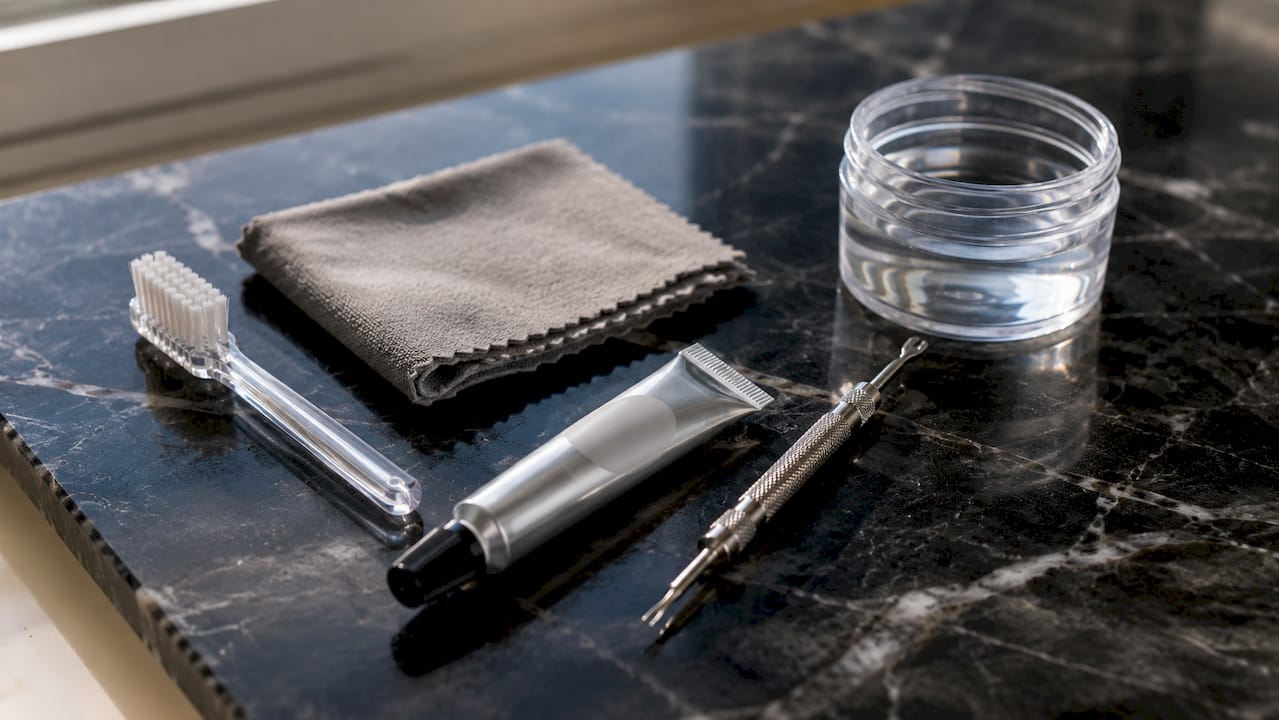
The foundation of any successful at-home watch restoration is the cleaning kit. Expert consensus points to four core items: a soft-bristled toothbrush, a microfiber cloth, lukewarm water, and a mild pH-neutral soap. Each item earns its place for a specific reason.
| Tool | Why it belongs in your kit |
|---|---|
| Soft-bristled toothbrush | Reaches crevices in lugs and bracelet links without scratching metal |
| Microfiber cloth | Lifts oils and dust without leaving lint or micro-abrasions |
| pH-neutral soap | Cleans without corroding gaskets, seals, or coatings |
| Lukewarm water | Dissolves grime without thermal shock to crystal or case |
| Watch-specific polishing cream | Removes light surface scratches and restores metal shine |
Two categories of products cause the most damage to pre-owned luxury watches: high-pressure water and steam. Both force moisture past gaskets that may already be aged or compromised. Harsh chemical cleaners, including alcohol-based sprays and household degreasers, degrade rubber seals and strip protective coatings from sapphire crystals.
Before you touch water to the case, check two things. First, confirm the watch’s water resistance rating. A watch rated to 30 meters is splash-resistant only. It is not safe for submersion during cleaning. Second, make sure the crown is fully pushed in and screwed down if the watch has a screw-down crown. An open crown is the fastest route to a water-damaged movement.
Pro Tip: Set a simple schedule: a quick wipe with a dry microfiber cloth every day and a full monthly cleaning routine with soap and water. That rhythm prevents grime buildup and keeps the case looking sharp without aggressive intervention.
Step-by-step guide to cleaning and polishing your watch safely
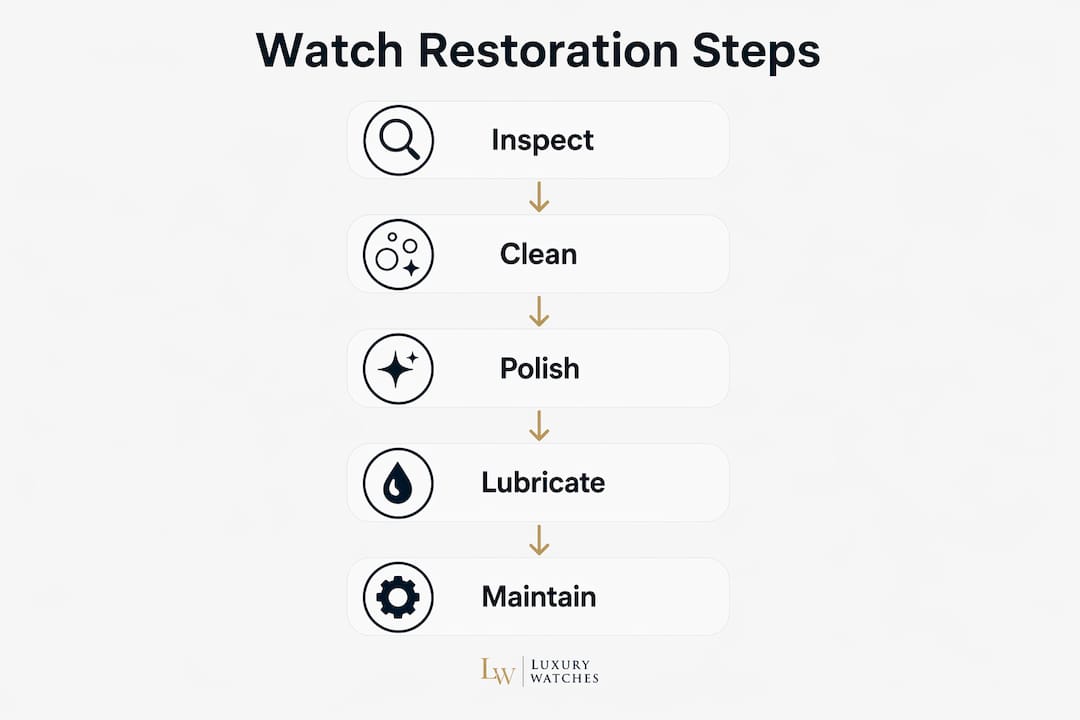
A careful process protects the movement and the finish. Follow these steps in order.
- Remove the strap or bracelet if possible. Metal bracelets trap dirt between links. Leather straps should never get wet. Separating them lets you clean each component properly and prevents cross-contamination.
- Inspect the case for damage. Look for cracks in the crystal, a loose crown, or compromised gaskets. If you find any of these, stop and take the watch to a professional before introducing water.
- Brush the case gently. Dip the soft-bristled toothbrush in lukewarm soapy water and work in small circular motions across the case, lugs, and bracelet links. Apply light pressure. The goal is to lift dirt, not scrub metal.
- Rinse with lukewarm water. Hold the case under a gentle stream or use a damp cloth. Never submerge a watch unless its water resistance rating explicitly supports it.
- Dry immediately and thoroughly. Pat the case dry with a microfiber cloth, then let it air-dry for several minutes before reassembling. Moisture trapped under the bracelet or around the crown accelerates corrosion.
- Apply polishing cream to brushed or polished surfaces. Use a watch-specific polishing cream on a clean microfiber cloth. Work in the direction of the original grain on brushed surfaces. On polished surfaces, use small circular motions.
- Buff to a shine. Use a second clean section of the cloth to remove residue and bring up the luster. The result should be a noticeably brighter surface with reduced visibility of light scratches.
The most common mistake owners make during polishing is applying too much pressure. Excess pressure removes metal, rounds edges, and creates an uneven finish that is difficult to correct without professional equipment. Less force, more passes.
Pro Tip: Before applying polishing cream to the full case, test it on a small hidden area first, such as the underside of a lug. This confirms the cream is compatible with the metal finish and won’t cause discoloration.
When should you seek professional watch restoration?
Professional restoration goes far beyond what any home kit can achieve. The process begins with full disassembly. Movement removal is standard practice because polishing generates heat and vibrations that can damage delicate components if the movement stays inside the case. A professional never polishes a watch with the movement in place.
The technical advantages of professional refinishing are significant:
- Precision lapping machines use a flat rotating disc to maintain original sharp edges during polishing. Hand polishing rounds those edges over time, which is one reason collectors can spot an over-polished watch immediately.
- Ultrasonic cleaning uses high-frequency sound waves to remove contaminants from every surface, including areas no brush can reach. This is the standard for professional-grade ultrasonic cleaning of luxury movements and cases.
- Laser welding fills deep dents with a matching metal alloy without removing surrounding material. This preserves the watch’s original weight, proportions, and structural integrity in ways that traditional filling cannot.
Professional refinishing for a modern luxury watch typically costs $300–$800. When done correctly, it can add $500–$1,500 to the watch’s resale value, making it one of the few maintenance expenses that pays for itself.
The decision to pursue professional restoration should also account for the watch’s age and collector status. For modern pieces with significant scratches, dents, or a dull finish, professional refinishing is the right call. For vintage watches, the calculation is more complex, and the next section addresses that directly.
Special considerations for vintage and collectible watches
Vintage watch restoration requires a different mindset entirely. Collectors consistently prefer unpolished examples because the original finish, including its wear patterns, tells the story of the watch’s life. Over-polishing removes that story and, with it, a meaningful portion of the watch’s market value.
The risks of aggressive restoration on vintage pieces include:
- Loss of sharp case edges. Lugs and case sides that were originally crisp become rounded after repeated polishing. This is irreversible without adding metal back through welding.
- Dial and hand damage. Original dials with patina, known as “tropical” dials in collector circles, are among the most desirable features on vintage watches. Cleaning or refinishing them destroys that value.
- Reduced provenance. A watch that shows honest wear is easier to authenticate. A heavily restored example raises questions about what else may have been changed.
The preferred approach for vintage pieces is selective restoration: service the movement, replace worn gaskets and seals, and address functional issues, but leave cosmetic elements untouched. A vintage Rolex Submariner with original patina and unpolished case will consistently outperform a polished example at auction. The same principle applies across most collectible references.
Documentation matters as much as the work itself. Keep records of every service, every part replaced, and every professional who handled the watch. Provenance documentation protects value and builds buyer confidence if you ever sell.
How to maintain your watch’s appearance after restoration
Restoration results last only as long as the care routine that follows. Consistent daily and monthly cleaning keeps most luxury watches looking near-new without requiring repeated professional intervention. The habits that matter most are straightforward.
- Wipe the case and crystal with a dry microfiber cloth at the end of each day. This removes fingerprints, skin oils, and dust before they bond to the surface.
- Clean the watch thoroughly once a month using the soap-and-water method described earlier. Pay attention to the bracelet, where sweat and debris accumulate between links.
- Avoid exposing the watch to perfume, sunscreen, and cleaning products. These chemicals degrade gaskets and attack metal finishes faster than physical wear.
- Store the watch in a watch box or pouch when not in use. Direct sunlight fades dials and degrades leather straps. A dust-free storage environment extends the time between professional cleanings.
- Schedule a professional service every three to five years for mechanical watches. This interval covers movement lubrication, gasket replacement, and a thorough inspection of the case and crystal.
Pro Tip: After any water exposure, including rain or washing hands while wearing the watch, dry the crown area immediately with a microfiber cloth. Water that sits around the crown is the most common entry point for moisture damage.
Key Takeaways
Restoring a pre-owned luxury watch requires matching the method to the watch’s age, condition, and collector status, because the wrong approach costs more value than it recovers.
| Point | Details |
|---|---|
| Restoration vs. preservation | Restoration targets a factory-new look; preservation maintains character and function without erasing history. |
| Safe home cleaning kit | Use a soft toothbrush, microfiber cloth, pH-neutral soap, and lukewarm water. Avoid steam and harsh chemicals. |
| Professional refinishing value | Professional work costs $300–$800 and can add $500–$1,500 in resale value for modern luxury watches. |
| Vintage watches need restraint | Over-polishing removes sharp edges and patina, reducing collector desirability and market value permanently. |
| Maintenance prevents restoration | Daily wiping and monthly cleaning keep most watches near-new and reduce the need for aggressive refinishing. |
The mistake I see most often with pre-owned watches
Most owners who come to me with a pre-owned luxury watch make the same error: they reach for a polishing cloth before they understand what they actually have. A watch with honest wear and original finish is often worth more than a polished one. I have seen collectors pay a significant premium for a watch with untouched lugs and a patinated dial over a “restored” example that looks factory-new. The polish removed the very thing that made it valuable.
My honest position is that home polishing should be reserved for modern watches with light surface scratches, and even then, the technique matters enormously. The direction of the polish stroke, the amount of pressure, the specific cream used on a given metal finish: these details separate a good result from a ruined one. If you are not certain, do not start. A microfiber cloth and a gentle cleaning will improve the look of almost any watch without any risk.
For vintage pieces, I recommend consulting a watchmaker before touching anything beyond a dry wipe. The impact of polishing on collector value is well documented, and the decision is permanent. Respect the watch’s history. It is part of what you paid for.
— Raymond Jenkins
ChronoCare’s kits for pre-owned watch care
Owners who want professional-level results at home need products built for that purpose.
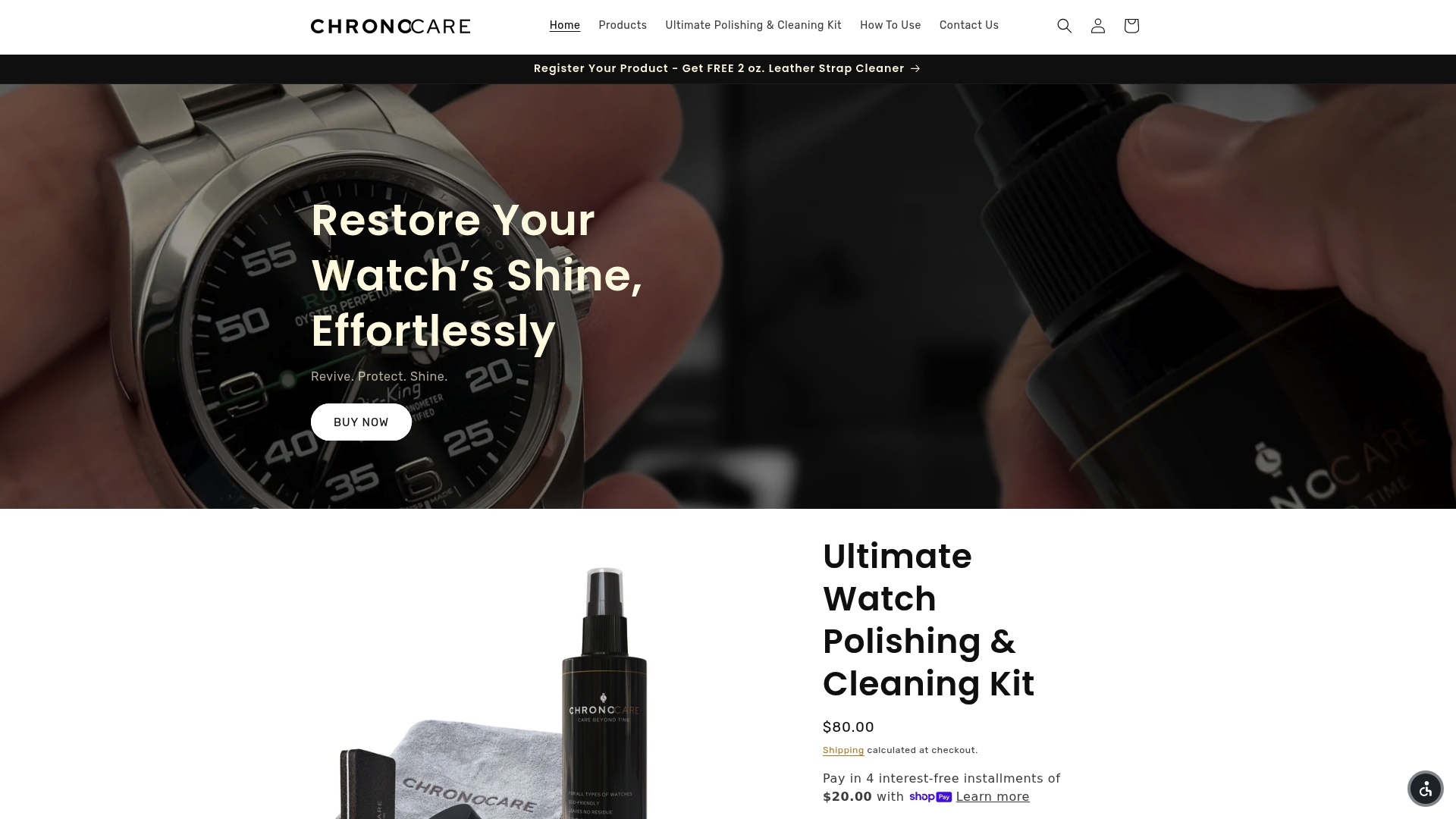
ChronoCare’s Ultimate Watch Cleaning Kit includes every tool needed for a thorough, safe cleaning routine: a soft-bristled brush, microfiber cloths, and a pH-balanced cleaning solution formulated for luxury metal surfaces. For owners dealing with light scratches and a dull finish, the Ultimate Watch Polishing and Cleaning Kit adds a polishing cream that restores surface shine without aggressive abrasion. Both kits are formulated in the US and designed specifically for the metals and finishes found on high-end timepieces. They give you the tools to maintain your watch between professional services and protect the value you invested in it.
FAQ
What is the safest way to clean a pre-owned watch at home?
Use a soft-bristled toothbrush, lukewarm water, and a mild pH-neutral soap. Always confirm the crown is closed and check the watch’s water resistance rating before introducing any moisture.
Does polishing a pre-owned watch reduce its value?
For vintage and collectible watches, polishing consistently reduces value by removing original finish, sharp edges, and patina that collectors prize. For modern watches with significant surface wear, professional refinishing can add resale value when done correctly.
How often should I have a luxury watch professionally serviced?
Most watchmakers recommend a full service every three to five years for mechanical watches. This covers movement lubrication, gasket replacement, and a case inspection that home cleaning cannot replicate.
What is the difference between watch restoration and preservation?
Restoration aims for a factory-new appearance, while preservation maintains the watch’s original character and function without erasing cosmetic history. Vintage collectors almost always prefer preservation over full restoration.
Can I remove scratches from my watch at home?
Light surface scratches on modern metal cases respond well to a watch-specific polishing cream applied with a microfiber cloth. Deep scratches, dents, or damage to brushed finishes require professional equipment to correct without causing further harm.