

Luxury Watch Care Upselling Benefits for Collectors
Luxury watch care upselling is the strategic practice of offering enhanced maintenance services that extend a timepiece’s longevity, preserve its resale value, and deepen collector satisfaction beyond a standard purchase. The benefits of luxury watch care upselling go well beyond aesthetics. They protect mechanical integrity, create documented service histories that buyers trust, and turn a one-time transaction into a long-term relationship. Whether you own a Rolex Submariner, a Patek Philippe Calatrava, or an Omega Speedmaster, understanding why these upsold services matter is the difference between a watch that holds its value and one that quietly deteriorates.
1. How upselling watch care boosts resale value through documentation
Documented service history is one of the most financially significant factors in luxury watch resale. Watches with complete, documented service histories command 20 to 50% higher resale prices than identical models without records. That premium reflects the buyer’s reduced risk and the seller’s proof of responsible ownership.
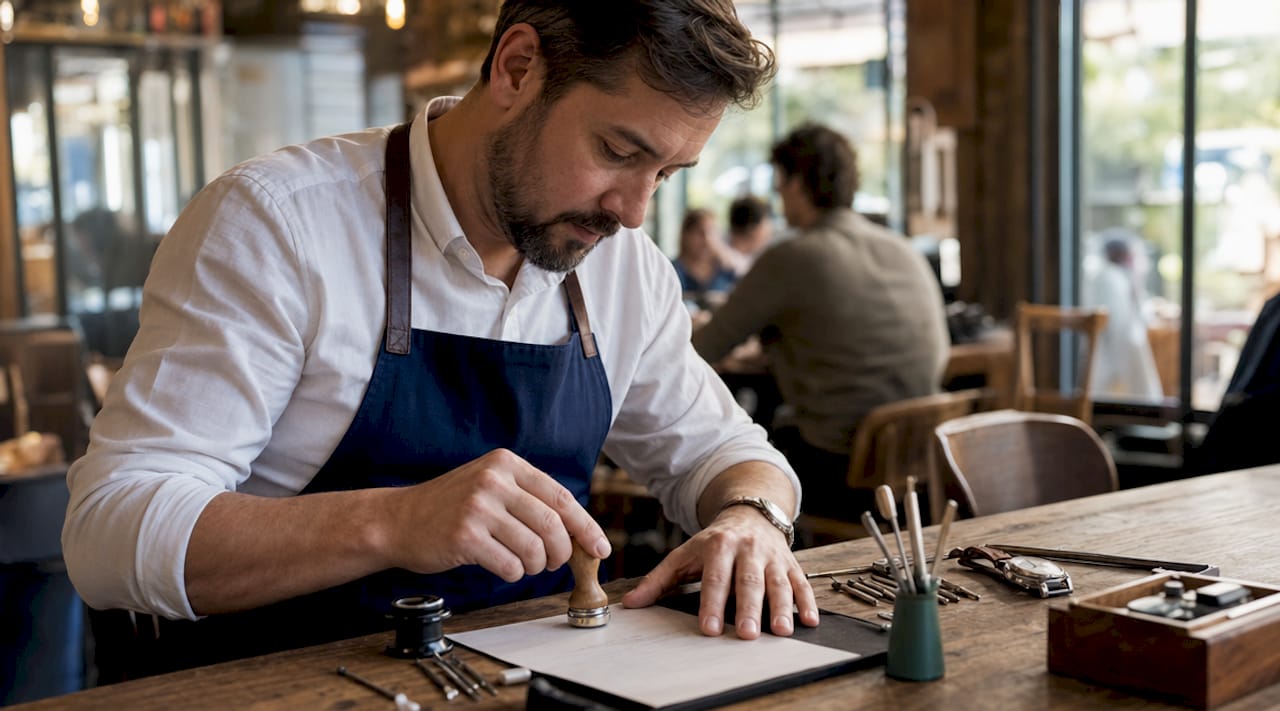
Service receipts function as financial assets in the secondary market. Buyers on platforms like Chrono24 and WatchBox actively filter for watches with verifiable maintenance records, and sellers without documentation lose negotiating leverage immediately. Service receipts are viewed as critical proof of provenance, not just paperwork.
The types of documentation worth retaining include:
- Full service receipts from authorized service centers or certified watchmakers
- Parts replacement records noting any genuine components installed
- Pressure test certificates confirming water resistance after gasket work
- Cleaning and polishing logs showing cosmetic care without over-polishing
- Warranty cards and original box paired with service history for maximum value
Pro Tip: Never discard a receipt for any watch service, no matter how minor. Even a strap replacement or a battery swap on a quartz model adds to the paper trail that secondary market buyers reward.
The downside of over-documenting is minimal, but collectors should note that records showing unnecessary case openings or non-genuine parts can actually reduce buyer confidence. Documentation works in your favor when it reflects thoughtful, authorized care.
2. Preventive maintenance costs far less than reactive repairs
The cost difference between routine servicing and emergency repair is not marginal. Routine preventive servicing typically costs between $300 and $1,000, while deferred maintenance can escalate repair costs to $1,500 or more when components have worn beyond adjustment. That gap represents real money on watches already worth thousands.
The mechanical reason is straightforward. Lubricants inside a movement degrade over time and turn abrasive, creating a paste that irreversibly wears pivots and gear teeth. Once metal-on-metal wear occurs, parts must be replaced rather than simply cleaned and re-lubricated.
| Service Type | Typical Cost | Consequence of Skipping |
|---|---|---|
| Routine full service | $300 to $1,000 | Lubricant degradation, timing drift |
| Gasket replacement | $100 to $250 | Water ingress, movement damage |
| Ultrasonic cleaning | $75 to $200 | Dirt buildup, increased friction |
| Emergency repair | $1,500 or more | Irreversible wear, part replacement |
Pro Tip: Schedule your service interval on your calendar the same day you buy a watch. Modern luxury automatic movements require full servicing every 3 to 5 years to prevent timing deviations of up to 15 seconds per day.
Upselling a preventive service at the point of purchase or at a natural check-in moment is the single most cost-effective recommendation any retailer or watchmaker can make to a collector. The math is not complicated: pay a little now or pay a lot later.
3. Why expert servicing preserves microscopic mechanical tolerances
Most collectors think of servicing as fixing something broken. Experts define it differently. Servicing is a preservation process, not a restoration one. The goal is maintaining the microscopic tolerances between components before wear has a chance to occur, not after.
A luxury mechanical movement operates with parts measured in microns. Maintaining microscopic tolerances prevents friction-induced wear that no amount of future polishing or adjustment can reverse. This is why upselling expert care is not a luxury add-on. It is a mechanical necessity.
Best practices for long-term mechanical preservation include:
- Use authorized service centers for modern pieces where brand-specific protocols and genuine parts protect value
- Choose independent specialists for vintage watches where original parts and sympathetic restoration matter more than brand certification
- Avoid unnecessary case openings since each opening introduces risk of dust, moisture, and gasket damage
- Request dry pressure testing after any service involving the case back or crown
- Monitor timing accuracy with a timegrapher app between services to catch early deviations
Authorized service centers use brand-specific protocols and genuine parts, which support value preservation. Independent watchmakers are often the better choice for vintage restoration, where originality outweighs standardization. Knowing which to choose for your specific piece is itself a mark of collector sophistication.
4. Upselling watch care builds customer loyalty and retail differentiation
The business case for upselling luxury watch services extends well beyond the immediate transaction. Offering watch care upselling services improves customer retention, trust, and increases average order values in retail settings. Collectors who receive transparent, documented care recommendations return to the same retailer or watchmaker because trust is hard to rebuild once lost.
Retailers who position themselves as partners in a collector’s long-term ownership experience differentiate themselves from competitors who treat the sale as the finish line. Service transparency, including written estimates, clear timelines, and post-service documentation, signals professionalism that collectors notice and remember.
“Building a trusting, long-term relationship with a certified watchmaker who documents all work is the foundation of maintaining a watch’s value over decades.” This principle applies equally to retailers who want repeat business and collectors who want maximum resale returns.
The strategic approach to upselling watch services involves timing. Recommending a gasket pressure test at the two-year mark, or a full service at the five-year mark, feels like advice rather than a sales pitch. Collectors respond to expertise, not pressure. Retailers who lead with knowledge and follow with a service recommendation convert at higher rates and generate stronger word-of-mouth referrals within collector communities.
5. Comparison of common luxury watch care upsell services
Not every upsell is equal. Understanding which services deliver the most value in which situations helps collectors prioritize spending and helps retailers make credible, targeted recommendations.
| Service | Cost Range | Best For | Value Impact |
|---|---|---|---|
| Ultrasonic cleaning | $75 to $200 | Regular maintenance, pre-sale prep | Removes debris, restores luster |
| Case and bracelet polish | $100 to $300 | Cosmetic restoration | Improves appearance, minor value lift |
| Gasket replacement | $100 to $250 | Dive watches, daily wearers | Restores water resistance |
| Full movement service | $300 to $1,000 | Every 3 to 5 years | Prevents wear, major value protection |
| Dial and hands restoration | $200 to $600 | Vintage pieces, pre-sale | Significant resale value impact |
Watch cleaning, polishing, gasket replacement, and full servicing each offer different strategic value depending on the watch type and the owner’s goals. A daily-wear Rolex Submariner benefits most from regular gasket checks and ultrasonic cleaning. A vintage Jaeger-LeCoultre Reverso held as an investment benefits most from a full movement service and careful dial preservation.
One nuance collectors often miss: over-polishing reduces originality and value. A Rolex with sharp, original case edges is worth more than the same model with rounded, over-buffed surfaces. Cosmetic upsells should be recommended selectively, not as a default. The role of ultrasonic cleaning is well established for movement components, but case polishing requires a more careful conversation about collector priorities.
6. Water resistance maintenance is a non-negotiable upsell
Water resistance is not a permanent feature of any luxury watch. O-ring gaskets degrade under environmental stress from UV exposure, temperature fluctuations, and simple aging. A Rolex Submariner rated to 300 meters at purchase can lose meaningful water resistance within two to three years without gasket maintenance.
The consequence of skipping this upsell is severe. Water ingress into a movement causes corrosion that spreads rapidly and can render a watch unrepairable. The cost of replacing a corroded movement far exceeds the cost of a $150 gasket replacement and pressure test. This makes water resistance maintenance one of the most straightforward and defensible upsells in the category.
Dry pressure testing is the standard method for verifying water resistance without exposing the watch to actual water during the test. Any retailer or watchmaker offering this service as a routine upsell is providing genuine value, not padding a bill. Collectors who wear their watches in the ocean, pool, or shower should treat annual pressure testing as mandatory, not optional.
7. How at-home care products extend the value of professional servicing
Professional servicing handles the internal mechanics. At-home care handles everything visible between service appointments. The two are complementary, and upselling quality care products alongside professional services is a natural extension of the same preservation philosophy.
Premium watch care products protect case surfaces, straps, and crystals from the daily accumulation of oils, dust, and minor abrasions that compound over time. A leather strap cleaner used monthly extends strap life by years. A polishing cream applied carefully to a stainless steel bracelet removes light surface scratches without the risk of over-buffing that a machine polish carries.
The collector who understands what a watch care routine involves treats at-home maintenance as the bridge between professional service intervals. Recommending specific products at the point of a professional service is a natural upsell that adds genuine value and keeps the watch looking its best until the next scheduled appointment.
Key takeaways
Luxury watch care upselling protects mechanical integrity, maximizes resale value, and builds the collector relationships that sustain long-term watch ownership.
| Point | Details |
|---|---|
| Documentation drives resale value | Watches with full service records command 20 to 50% higher resale prices. |
| Preventive care costs less | Routine servicing costs a fraction of emergency repairs caused by lubricant degradation. |
| Expert servicing preserves tolerances | Microscopic wear is irreversible; servicing before failure is the only effective strategy. |
| Water resistance requires active maintenance | Gaskets degrade and must be pressure tested regularly to prevent costly water damage. |
| At-home care extends professional results | Quality cleaning and polishing products protect surfaces between service appointments. |
The case for thoughtful upselling, not aggressive selling
I have spent years watching collectors make the same two mistakes. The first is ignoring maintenance entirely until something goes wrong. The second is accepting every upsell without asking whether it serves the watch or just the bill.
The collectors I respect most treat their watches the way serious car enthusiasts treat a vintage Ferrari. They follow a documented schedule, they choose their service providers carefully, and they push back on recommendations that do not make sense for the specific piece. A Patek Philippe with an unpolished case and sharp lugs is worth more than one that has been buffed to a mirror finish by an overeager technician.
What I find most encouraging is how collector attitudes are shifting. Five years ago, the average buyer saw a service recommendation as an upsell to resist. Today, more collectors recognize that documented maintenance is a financial strategy, not a cost center. That shift reflects a maturing market where buyers do their homework and sellers who lead with transparency win.
My honest recommendation: build a relationship with one certified watchmaker you trust, document everything, and treat at-home care as the daily discipline that keeps professional service intervals manageable. The watches that hold their value over decades are almost always the ones with owners who paid attention.
— Raymond Jenkins
Protect your watch’s value with ChronoCare
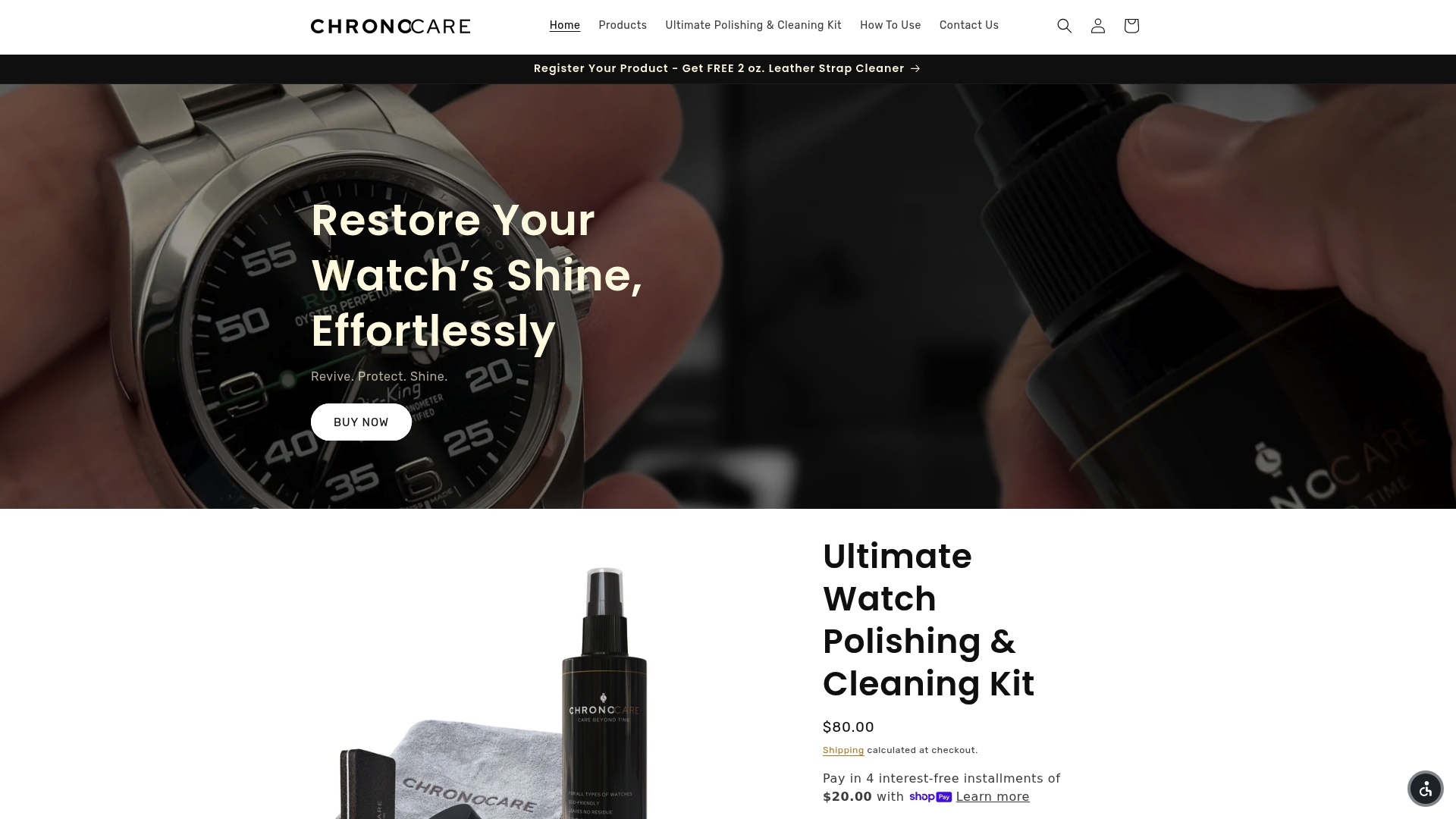
ChronoCare’s product line is built specifically for collectors who take the preservation of their timepieces seriously. The Ultimate Watch Cleaning Kit gives you everything needed to maintain your watch’s appearance between professional service appointments, from case cleaning to bracelet care. For collectors focused on surface restoration, the Watch Polishing Cream removes light scratches and restores the original finish on all metal surfaces without the risk of over-buffing. Every ChronoCare product is formulated in the US to meet the standards that luxury timepieces demand. Your watch is an investment. Treat it like one.
FAQ
What are the main benefits of luxury watch care upselling?
The primary benefits are higher resale value through documented service history, prevention of costly mechanical repairs, and stronger customer loyalty in retail settings. Watches with complete maintenance records command 20 to 50% more on the secondary market.
How often should a luxury automatic watch be serviced?
Modern luxury automatic movements require a full service every 3 to 5 years to prevent lubricant degradation that causes timing deviations of up to 15 seconds per day. Skipping this interval leads to irreversible wear on pivots and gear teeth.
Does polishing a luxury watch reduce its value?
Yes, over-polishing removes original case edges and reduces collector value. Buyers on the secondary market pay a premium for watches with sharp, unaltered case geometry. Cosmetic polishing should be selective and conservative.
Why is water resistance maintenance considered a critical upsell?
O-ring gaskets degrade over time and lose their seal without regular replacement and pressure testing. Water ingress into a movement causes corrosion that can make a watch unrepairable, making gasket maintenance one of the highest-value preventive services available.
What documentation should collectors keep for maximum resale value?
Collectors should retain all service receipts, parts replacement records, pressure test certificates, warranty cards, and original box materials. Even receipts for minor services add to the provenance trail that secondary market buyers reward with higher offers.