

Preserve Your Rolex: 3 Home Cleaning Checks for Oyster and Vintage
Yes, you can clean a Rolex at home if it’s a modern Oyster model with a properly screwed-down crown and intact water resistance. Wipe it with a microfiber cloth right now to remove surface oils, then check three things before any water touches the case: the crown screws down snug, there’s no fog under the crystal, and nothing feels loose. Vintage or unconfirmed watches get a damp cloth only. Never submerge them.
TL;DR:
- Proper water resistance checks are essential before cleaning to avoid moisture reaching the movement, especially on vintage or compromised watches.
- Use gentle, pH-balanced cleaners, a soft brush, and a microfiber cloth for cleaning modern water-resistant Rolexes, avoiding harsh chemicals and ultrasonic cleaners.
- Never submerge vintage or non-waterproof watches, and always work with a damp cloth and dry tools to prevent moisture intrusion.
- Regular surface wiping with a microfiber cloth and occasional gentle washing extend the aesthetic and value of your Rolex, but professional servicing is recommended every 5 to 10 years.
- Stop cleaning and consult a professional if you notice fog, looseness, cracks, or abnormal timekeeping issues, as these indicate potential issues with the seal or movement.
Table of Contents
- How to Clean a Rolex at Home: Tools and Safety Checks First
- Step-by-Step Cleaning for Modern, Water-Resistant Rolex Watches
- Cleaning Vintage or Non-Waterproof Rolex Watches
- How Often Should You Clean a Rolex?
- When to Stop and Call a Professional
- Expert Tips on Polishing and Finish Restoration
- A Collector’s Take on Conservative Home Care
- Get the Right Tools for Safe At-Home Watch Care
- Sources
How to Clean a Rolex at Home: Tools and Safety Checks First
Before you touch water to metal, gather the right materials. You don’t need much, but using the wrong stuff causes more harm than the grime ever would.
Your kit should include:
- A soft-bristle brush (a clean, unused toothbrush works, though a dedicated watch brush is gentler)
- A microfiber cloth for drying and buffing
- A small bowl of lukewarm water
- A a pH-balanced watch cleaner formulated for metal and crystal surfaces
- A spring-bar tool, optional, for removing the bracelet if you want to clean it separately
Skip ammonia-based glass cleaners and harsh solvents entirely. They strip the finish on gold and can degrade gasket rubber over time. Plain dish soap works in a pinch, but only occasionally. Repeated use leaves surfactant residue that actually attracts more dust, which is why pH-balanced cleaners formulated specifically for watch finishes tend to outperform household detergents over months of use.
Before any liquid method, run three checks. Screw the crown down until it stops turning and sits flush against the case. Look under the crystal for any fogging or condensation. Confirm the crown and caseback feel tight with no wobble. If any of those checks fail, treat the watch as compromised and move to dry cleaning methods only.
Step-by-Step Cleaning for Modern, Water-Resistant Rolex Watches
Modern Oyster case Rolexes, from a Submariner to a Datejust with a screw-down crown, are built for exactly this kind of routine care. Rolex itself recommends washing the case and bracelet from time to time with soapy water and a soft brush, as long as the crown is fully screwed down first. Here’s how to do it without risking anything.
- Confirm the water rating and crown seal. Screw the crown all the way down. Inspect the bracelet and clasp for any loose or misaligned links before you start.
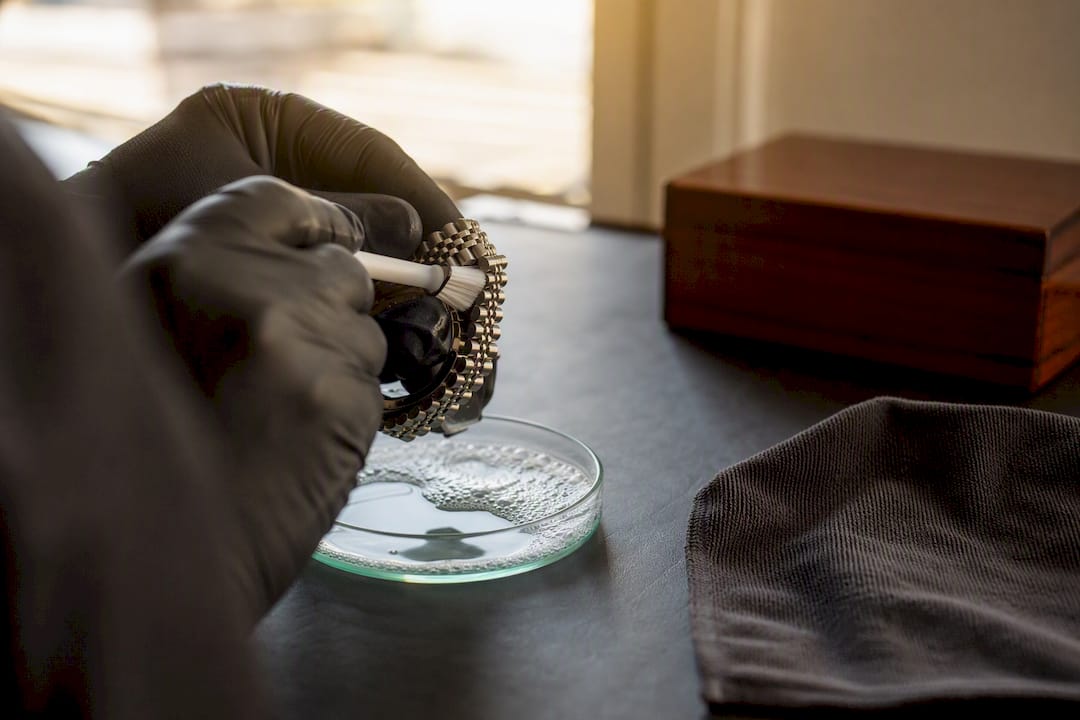
- Wet the brush, not the watch. Dip the brush in lukewarm water and add a small amount of pH-balanced cleaner. Pre-loading the brush this way keeps liquid pressure off the crown tube and case gaskets instead of spraying directly onto them.
- Brush in circular motions. Work the case, bracelet links, and especially the clasp interior and lug joints, where sweat and skin oils build up fastest. A brief period of steady brushing on the bracelet is usually enough to loosen most grime.
- Rinse briefly, if at all. A short rinse under lukewarm running water is fine for a fully sealed Oyster case. Keep the water temperature moderate. Hot water can cause gasket materials to expand slightly, which temporarily compromises the seal you just confirmed was intact.
- Pat dry immediately. Use a microfiber cloth to blot the case and bracelet dry, paying attention to the gaps between links where water likes to hide.
- Buff gently. Once dry, a light buff with a clean section of the cloth brings back the shine without introducing new scratches.
Pro Tip: Skip the sink drain entirely. Clean over a folded towel on the counter. A dropped bracelet on tile is how a lot of “gentle at-home cleaning” turns into an emergency jeweler visit.
A few things to never do here. Avoid using at-home ultrasonic cleaners, as these machines require professional use after opening the case; at-home ultrasonic cleaning risks loosening spring bars and stressing gaskets. Don’t spray cleaner directly at the crown, even on a modern watch. And if you’re working on a gold case or bracelet, go lighter on the brush pressure. Gold marks more easily than steel, and aggressive scrubbing along the bracelet links can dull the finish faster than the dirt ever would.
Cleaning Vintage or Non-Waterproof Rolex Watches
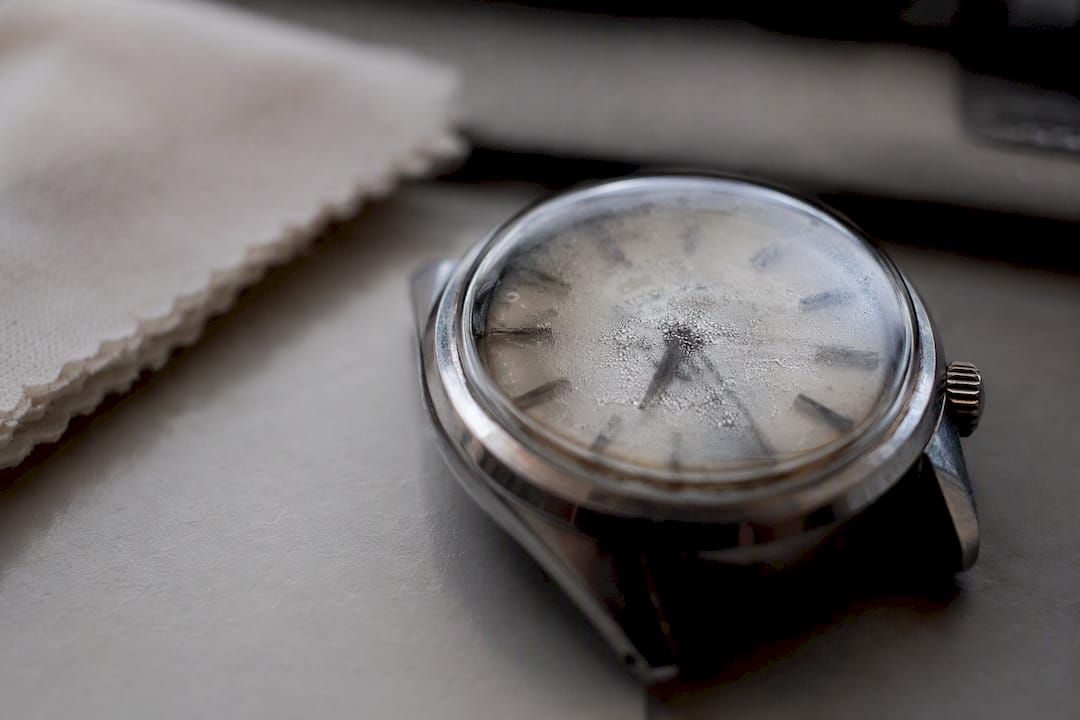
Older Rolexes and any watch with uncertain water resistance play by different rules. Gaskets degrade with age, and a seal that looked fine five years ago might not hold today. Submerging a vintage piece, or spraying cleaner anywhere near the case, risks moisture getting past a tired gasket and reaching the movement.
The safer approach for these watches:
- Use a slightly damp microfiber cloth instead of running water, wringing it out until it’s just barely moist.
- Work grime out of crevices with a dry cotton swab rather than a wet brush.
- If the bracelet is separate from your concerns about the case seal, remove it with a spring-bar tool and clean it on its own, away from the crown and crystal entirely.
Stop immediately if you see fog forming under the crystal, feel any looseness in the crown, or notice a crack anywhere on the crystal. Those are signs the case is no longer sealed the way it should be, and any liquid, even a damp cloth used carelessly, becomes a real risk at that point.
How Often Should You Clean a Rolex?
Frequency depends on how often you wear it, not on a fixed calendar. A watch worn daily picks up skin oils and dust constantly; one that comes out occasionally doesn’t need the same attention.
A workable rhythm includes wiping the watch regularly with a dry microfiber cloth to remove surface oils, performing a full gentle wash depending on wear frequency, and rinsing after exposure to saltwater or a pool, followed by a gentle clean.
- Store it in a clean, dry case or box when it’s off your wrist, away from dust and humidity.
None of this replaces professional servicing. Rolex movements typically benefit from a full service roughly every 5 to 10 years, per guidance from independent specialists like WatchGuys. Home cleaning handles the surface. Servicing handles the parts you can’t see.
When to Stop and Call a Professional
Some problems are beyond what a brush and cloth can fix, and pushing forward anyway usually makes things worse.
Watch for these red flags:
- Condensation or fog visible under the crystal, even briefly
- A crown that wobbles, won’t screw down fully, or feels gritty when turning
- A cracked or chipped crystal
- Timekeeping drift that persists after cleaning, suggesting a mechanical issue rather than surface grime
A professional will pressure test the case to confirm the seal, replace worn gaskets, and, if needed, fully disassemble the watch to clean the bracelet and case in an ultrasonic bath, something that’s only safe once the movement is removed. Authorized service centers handle this thoroughly, and some independent jewelers offer quick complimentary cleans as a courtesy when you bring a watch in for other work. A basic professional cleaning typically costs less than a full movement service, though exact pricing varies widely by retailer and watch model, so it’s worth asking for a quote before committing either way.
Expert Tips on Polishing and Finish Restoration
Once the watch is clean and fully dry, a dual-layer polishing cloth handles the kind of micro-tarnish that a wash alone won’t touch. One side lifts light oxidation, the other buffs the surface back to a shine. Go easy with any polishing product on gold cases and bracelets. Gold is softer than steel, and repeated aggressive polishing thins the material over years, which is the opposite of what you want on a watch meant to hold its value.
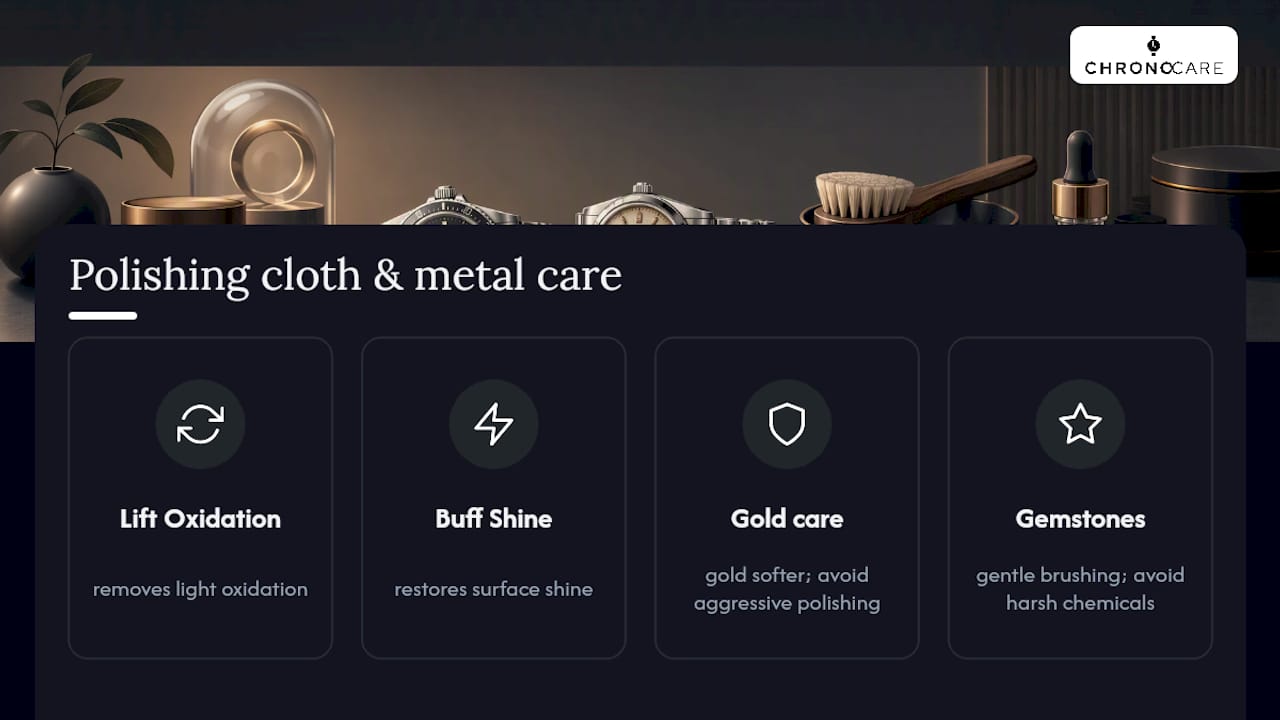
For routine care, the same rules from the wash routine apply to polishing creams: load the product onto the cloth or brush rather than applying it directly to the case, keep any rinsing water lukewarm, and never spray near the crown. Light surface scratches, the kind that catch light but don’t dig into the metal, usually respond well to a conservative pass with polishing cream. Deeper scratches, or any scratch you can feel with a fingernail, are a job for a jeweler’s polishing wheel, not a cloth. And if your watch has a gemstone bezel, the care principles for gemstone jewelry apply here too: gentle brushing, no harsh chemicals near settings.
A Collector’s Take on Conservative Home Care
I’ve seen more watches damaged by overzealous polishing than by neglect. A Datejust that goes years between cleanings but never sees an ultrasonic bath or aggressive buffing wheel almost always looks better than one “maintained” with the wrong tools too often. That gap between grime and stretched links is smaller than most owners think. Most perceived bracelet stretch in a Jubilee is dirt lodged between links, not actual metal fatigue, and a careful brush fixes it without touching a jeweler.
Preservation beats restoration every time. Gentle, frequent maintenance keeps a watch closer to its original state than infrequent deep cleaning ever will. If you’re unsure which product fits your model, ChronoCare’s guides walk through the specifics.
— Raymond Jenkins
Get the Right Tools for Safe At-Home Watch Care
ChronoCare built its cleaning kits around the exact routine outlined above: pH-balanced formulas that skip the ammonia and harsh solvents that damage gaskets and finishes over time, in a system designed for exactly the crown-down, brush-first method that keeps water away from where it doesn’t belong.
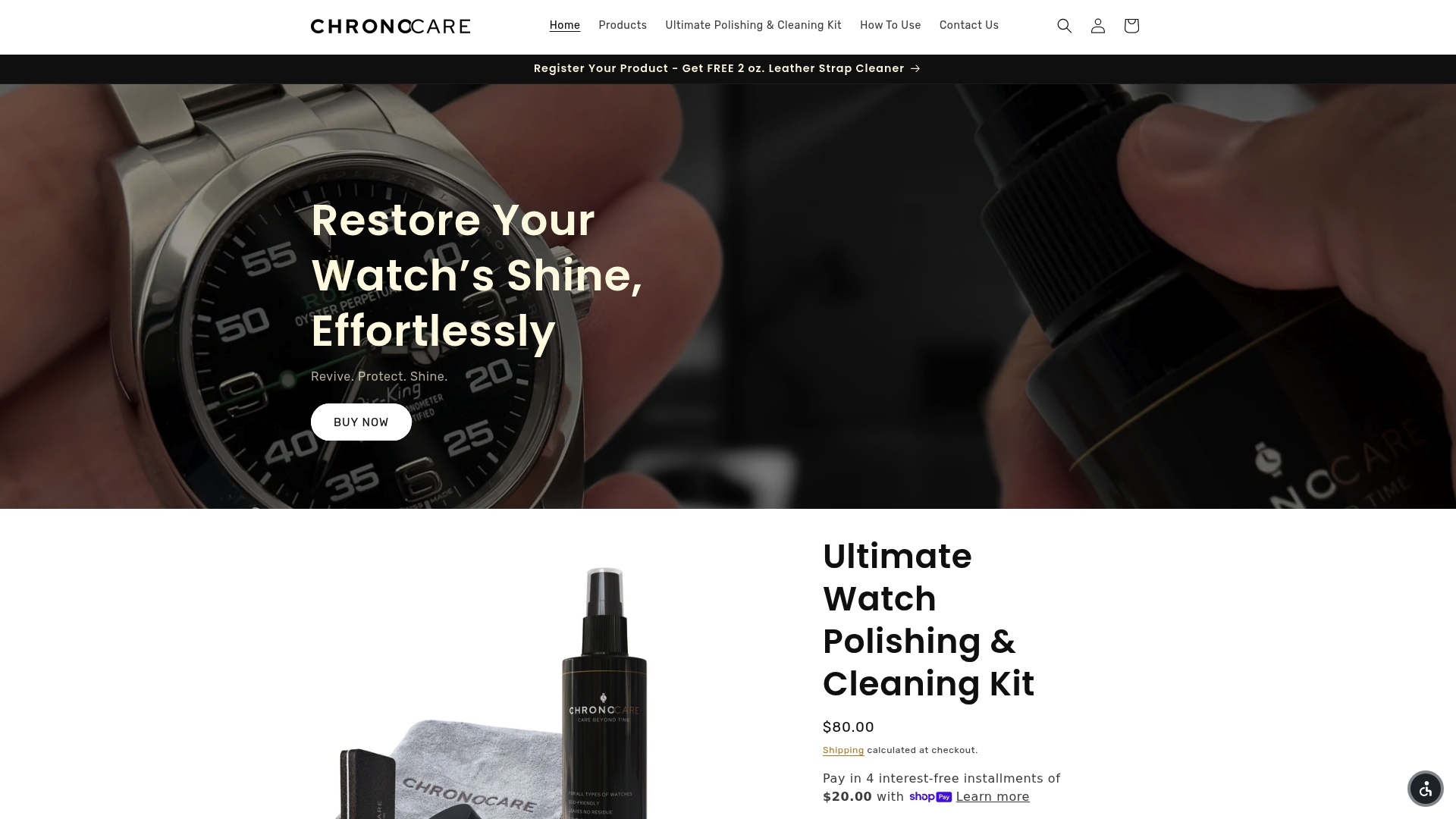
For routine upkeep, the Ultimate Watch Cleaning Kit includes the brush, microfiber cloths, and formulated cleaner you need for the weekly or monthly wash described above. If your watch also needs finish work, the Ultimate Watch Polishing & Cleaning Kit pairs that same cleaning process with a polishing stage for light scratches and tarnish. And if polishing is your only concern right now, the Watch Polishing Cream restores shine on steel, gold, and mixed-metal cases without the abrasiveness of generic metal polish.
Every product ships with usage instructions that follow the same rules covered here: load the brush, keep water lukewarm, buff gently. Pick the kit that matches your watch and your routine, and you’ve got everything you need on hand the next time your Rolex needs attention.
Sources
Rolex’s own care guidance covers baseline cleaning and crown safety. Specialist guides from Sparklean and Mr. Alex Jewelry informed the step-by-step methods above.