

Types of Watch Cleaning Sprays Compared: 2026 Guide
Watch cleaning sprays are specialized solutions designed to safely dissolve oils, dirt, and contaminants from watches without harming delicate metals or seals. Choosing the wrong type can degrade rubber gaskets, strip protective coatings, or leave residue that attracts more grime. This guide covers the main types of watch cleaning sprays compared side by side, so you can match the right formula to your timepiece and maintenance routine. Whether you own a stainless steel daily wearer or a ceramic luxury piece, the spray type you choose directly affects how long your watch stays in peak condition.
1. Types of watch cleaning sprays compared: the main categories
Watch cleaning sprays fall into four primary categories: foam sprays, gel sprays, liquid sprays, and waterless multi-step solutions. Each delivers cleaning action differently, and that difference matters more than most collectors realize.
Foam sprays
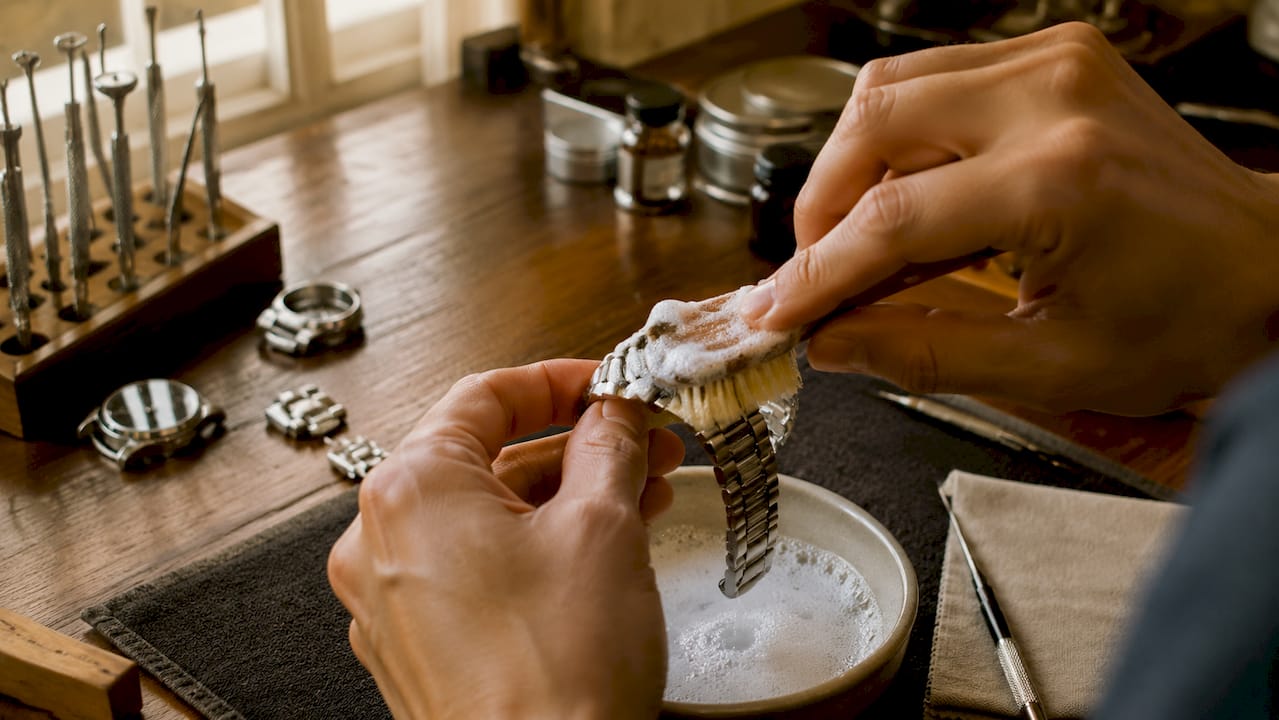
Foam sprays expand on contact with the watch surface, creating a cushion that lifts and traps dirt. The foam clings to vertical surfaces and bracelet links instead of running off, which means the cleaning agents stay in contact with grime long enough to break it down. Foam is particularly effective on textured metal bracelets where dirt packs into gaps.
Gel sprays
Foam or gel-based sprays are preferred by experts because they stay in place, trapping dirt rather than spreading it. Gel formulas tend to be thicker than foam and adhere even better to curved surfaces like case sides and lugs. Some gel products use patented formulations that combine cleaning and light conditioning in one step.
Liquid sprays
Liquid sprays apply quickly and rinse cleanly, making them the fastest option for routine maintenance. The trade-off is runoff. A thin liquid can carry loosened dirt into crown gaps or pusher seams if you spray directly onto the watch. Liquid sprays work best when applied to a microfiber cloth or soft brush first.
Waterless multi-step solutions
Professional watch cleaning uses a three-stage fluid process: cleaning fluid, rinsing fluid, and drying. Skipping the rinse stage leaves chemical residue that attracts new dirt and can interfere with a movement’s internal lubricants. Waterless multi-step kits replicate this sequence without running water, making them the most thorough option for collectors who clean their watches at home.
2. How different sprays perform on watch materials
Material compatibility is the single most important factor when selecting a spray. A formula safe for stainless steel can still damage a rubber strap or a matte ceramic bezel.
Stainless steel and titanium
Both metals tolerate most pH-neutral spray types well. Foam and gel sprays work best on polished steel because they lift fingerprints and skin oils without scratching. Titanium is slightly more porous than steel, so a rinse step after cleaning prevents residue from settling into the surface.
Gold and precious metals
Gold is soft and reacts poorly to alkaline or acidic cleaners. pH-neutral formulas specifically engineered for watch materials protect gold surfaces and avoid degrading gaskets over time. Liquid sprays with high solvent content are the biggest risk here. Stick to foam or gel options labeled safe for precious metals.
Ceramic surfaces
Ceramic watch surfaces require gentle cleaning with soft brushes and appropriate cleaners. Brands like Omega and Zenith use ceramic in bezels and cases that are brittle and prone to chipping. Ultrasonic machines and soaking can damage ceramic, so a soft foam spray applied with a brush is the safest approach.
Sapphire crystal
Sapphire is one of the hardest materials used in watchmaking, but it scratches from abrasive particles trapped in a dirty cloth. Apply spray to the cloth first, then wipe gently. Some premium spray formulas reduce hairline scratches by smoothing surfaces on a microscopic level, a benefit standard jewelry cleaners cannot offer.
Rubber straps
Rubber degrades when exposed to alcohol-based or petroleum-derived solvents. Choose a rubber-safe cleaning solution that is free from harsh chemicals. Foam sprays work well here because they do not soak into the strap material the way liquid sprays can.
Pro Tip: Never spray directly onto the watch. Apply the spray to a soft cloth or brush first, then work it gently across the surface. This single habit prevents fluid from seeping into crowns, pushers, and gasket seams.
3. Comparing effectiveness, safety, and ease of use
Not every spray excels in every category. The table below compares the four main spray types across the criteria that matter most to watch owners.
| Spray type | Cleaning power | Material safety | Ease of use | Best for |
|---|---|---|---|---|
| Foam spray | High | High | Easy | Bracelets, textured surfaces |
| Gel spray | Very high | High | Moderate | Curved cases, luxury pieces |
| Liquid spray | Moderate | Moderate | Very easy | Quick daily wipe-downs |
| Multi-step solution | Very high | Very high | Requires steps | Deep cleaning, movements |
Cleaning power
Gel and multi-step solutions deliver the deepest clean. Gel formulas cling to surfaces long enough for active ingredients to break down oils and residues. Multi-step solutions add a rinse fluid that removes chemical traces left by the cleaner, which is critical for watches with exposed movement components.
Chemical safety
Specialized watch cleaning solutions are pH-neutral and protect rubber gaskets and delicate metals better than generic household cleaners. Household cleaners leave residue that attracts grime and can cause long-term surface damage. Some premium sprays include natural ingredients like soybean extracts and sodium citrate, avoiding harsh chemicals entirely while remaining safe for metals, ceramic, rubber, and sapphire crystal.
Ease of use
Liquid sprays win on convenience. A quick spritz on a cloth and a wipe takes under a minute. Foam sprays require slightly more time because you need to work the foam into links and crevices before wiping. Multi-step solutions take the most time but deliver results that match professional boutique cleaning standards.
Cost considerations
Professional cleaning kits retail around $40 for effective formulations used in a multi-step routine. That price point covers multiple cleaning sessions, making the per-use cost lower than it appears. Single-use liquid sprays cost less upfront but require more frequent repurchasing.
4. Which spray is right for your watch and cleaning habits?
The right spray depends on three factors: your watch’s materials, how often you clean it, and how much time you want to spend.
For luxury and high-value watches
Gel sprays or multi-step solutions are the correct choice. The spray ingredients in premium formulas are engineered to protect delicate finishes and gaskets. A multi-step routine that includes a rinse fluid removes chemical traces that would otherwise sit on the case and degrade seals over time.
For daily wearers and sport watches
Foam or liquid sprays handle routine maintenance well. Daily watch maintenance takes about 10 seconds with a microfiber cloth, and a full clean with a watch-specific spray takes 2–3 minutes. A foam spray used twice a week keeps a sport watch looking sharp without requiring a full cleaning session every time.
For vintage pieces
Vintage watches often have aged gaskets, original lacquer, and case materials that react unpredictably to modern solvents. A mild, pH-neutral foam spray applied with a soft brush is the safest option. Avoid any spray with alcohol, ammonia, or citrus-derived solvents unless the formula explicitly states compatibility with aged materials.
For travel
Liquid sprays in small bottles are the most practical travel option. They pack easily and work fast. Pair a liquid spray with a microfiber cloth and you have a complete watch care routine that fits in a toiletry bag.
Pro Tip: For watches with bracelet links, use a soft-bristle brush loaded with foam spray to work the formula into each link gap. Wipe with a microfiber cloth and follow with a dry pass. This removes the compacted skin oil and debris that a cloth alone cannot reach.
5. What about ultrasonic cleaning?
Ultrasonic cleaning uses high-frequency sound waves to loosen dirt in hard-to-reach areas. Ultrasonic machines are recommended for deep cleaning but are not suitable for all watches or regular use. They can loosen components and damage fragile parts if used incorrectly.
Sprays and ultrasonic cleaning are not competing methods. They serve different purposes. Sprays handle surface cleaning and routine maintenance. Ultrasonic machines address deep contamination in bracelet links and case crevices that sprays cannot reach. For most collectors, a quality spray routine covers 90% of cleaning needs. Ultrasonic cleaning is a periodic supplement, not a replacement.
Key takeaways
The most effective watch cleaning approach combines a pH-neutral, material-matched spray with correct application technique and a rinse step for deep cleaning sessions.
| Point | Details |
|---|---|
| Foam and gel sprays outperform liquids | They stay on the surface longer, trapping dirt instead of spreading it across the case. |
| pH-neutral formulas protect gaskets | Household cleaners degrade rubber seals and leave residue that attracts grime over time. |
| Application method matters as much as formula | Always apply spray to a cloth or brush first to prevent fluid from entering crowns and pushers. |
| Multi-step solutions deliver the deepest clean | A clean, rinse, and dry sequence removes chemical residue that single-step sprays leave behind. |
| Match the spray to the material | Ceramic, gold, and rubber each require specific formula types to avoid surface damage. |
My take on spray selection after years with luxury watches
The watch cleaning category has more options than it needs, and most collectors overcomplicate their choice. After working with dozens of watch materials and spray formulas, the pattern is clear: the spray type matters less than the application method and the formula’s pH level.
The most common mistake I see is spraying directly onto the watch. Applying sprays directly onto the watch head risks fluid seeping into crowns or pushers, causing corrosion and lubricant degradation. Professionals apply to the cloth or brush first, every single time. That habit alone prevents the majority of cleaning-related damage.
My personal preference is gel spray for case and bracelet work, followed by a rinse fluid wipe on anything with exposed movement access. Foam is my second choice for sport watches and rubber straps. Liquid sprays are fine for a quick fingerprint removal on sapphire crystal, but I would not use them near any seam or opening.
The multi-step routine is worth the extra two minutes for any watch worth more than a few hundred dollars. The clean-rinse-dry sequence that professionals use with dedicated cleaning and rinsing solutions is the standard for a reason. Residue left by a single-step cleaner does not disappear. It sits on the case, attracts new dirt, and works its way into gaskets over months.
Clean your watch every two weeks if you wear it daily. Use a microfiber cloth for daily wipe-downs and a proper spray routine for the deeper session. That cadence keeps most watches looking new without over-cleaning.
— Raymond Jenkins
ChronoCare’s watch cleaning sprays for every timepiece
Watch collectors who want a complete solution without the guesswork will find everything they need in ChronoCare’s product line. ChronoCare formulates its sprays in the US using pH-neutral, material-safe ingredients that work across stainless steel, ceramic, sapphire, and rubber without compromising gaskets or finishes.
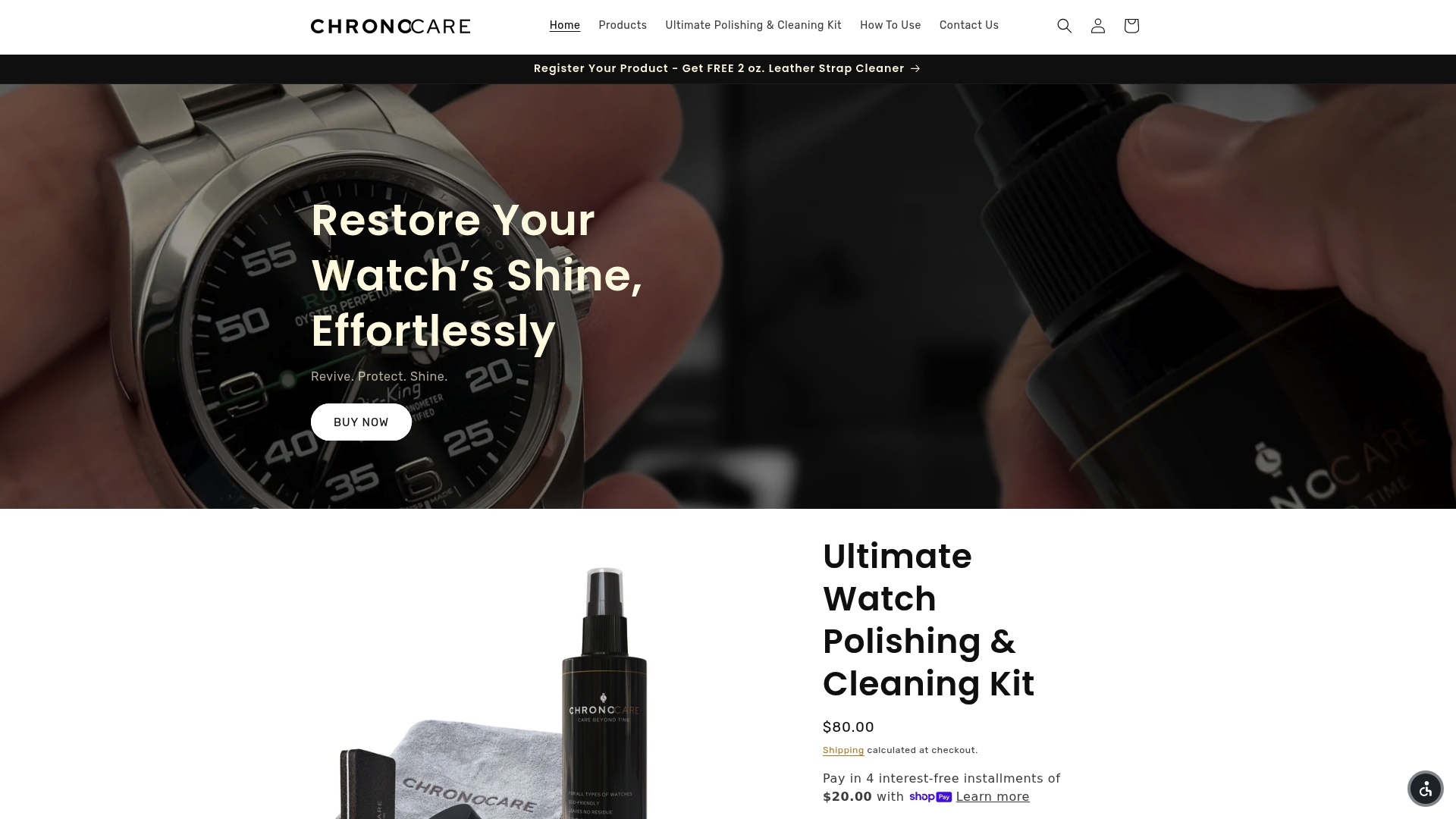
The Ultimate Watch Cleaning Kit includes a multi-step spray system designed for both routine maintenance and deep cleaning sessions. It covers the full sequence that professionals use, packaged for home use. For collectors who also want to address surface wear, the Ultimate Watch Polishing and Cleaning Kit combines cleaning sprays with a polishing step that restores case shine after cleaning. Both kits ship with application tools and instructions built around the material-specific guidance covered in this article.
FAQ
What is the safest spray type for luxury watches?
Gel or foam sprays with pH-neutral, chemical-free formulas are the safest choice for luxury watches. They cling to surfaces without running into seals and avoid the harsh solvents that degrade gaskets and precious metal finishes.
Can I use a regular household cleaner on my watch?
Household cleaners are not safe for watches. They leave chemical residue that attracts grime and can damage rubber gaskets, strip coatings, and corrode delicate metals over time.
How often should I clean my watch with a spray?
A full spray cleaning every two weeks is the right cadence for daily wearers. Use a dry microfiber cloth for quick daily wipe-downs between spray sessions.
Do I need a rinse fluid after using a cleaning spray?
A rinse fluid is necessary for deep cleaning sessions, especially on watches with exposed movement access. Skipping the rinse step leaves chemical residue that attracts dirt and can interfere with internal lubricants.
Are foam sprays better than liquid sprays for watch bracelets?
Foam sprays outperform liquid sprays on bracelets because the foam stays in link gaps long enough to break down compacted dirt and oils. Liquid sprays tend to run off before the cleaning agents can work effectively.