

Why Watch Crowns Need Cleaning to Last Longer
Why watch crowns need cleaning: the case for regular care
The crown is the single most vulnerable point on your watch. It controls time setting and winding, and it also seals the case against moisture and dust. Neglect it, and you risk gasket degradation, lost water resistance, and movement damage that costs far more to fix than a simple cleaning routine.
Dirt, sweat, salt, and skin oils accumulate around the crown constantly. Because the crown is a moving part that you touch every time you adjust the watch, it collects grime faster than any other part of the case. That buildup works its way into the threads and crown tube, wearing down seals silently until the watch fails a pressure test or, worse, fogs up after a rainstorm.
- The crown is the primary risk point for water resistance, more so than the caseback, because it is a moving opening tied directly to the stem.
- A gritty or stiff feel signals dirt or salt inside the threads, which causes permanent damage if ignored.
- Worn gaskets shrink and dry out over time, so a watch that has not been serviced recently may not hold its rated depth.
- Cleaning is also an inspection opportunity: use a magnifying glass to check for seal wear, cracks near the crown tube, or early corrosion.
- Always push the crown fully in, or screw it down completely, before any cleaning or moisture contact.
Pro Tip: Inspect the crown area under bright light every time you clean. Catching a worn gasket early costs a fraction of what internal moisture damage runs.
Table of Contents
- How to safely clean your watch crown at home
- Common mistakes that put your crown at risk
- When a professional watchmaker is the right call
- ChronoCare makes crown care straightforward
- Key Takeaways
How to safely clean your watch crown at home
A proper at-home cleaning routine protects the seals you depend on. The key is staying on the exterior surfaces and never introducing moisture through an open crown.
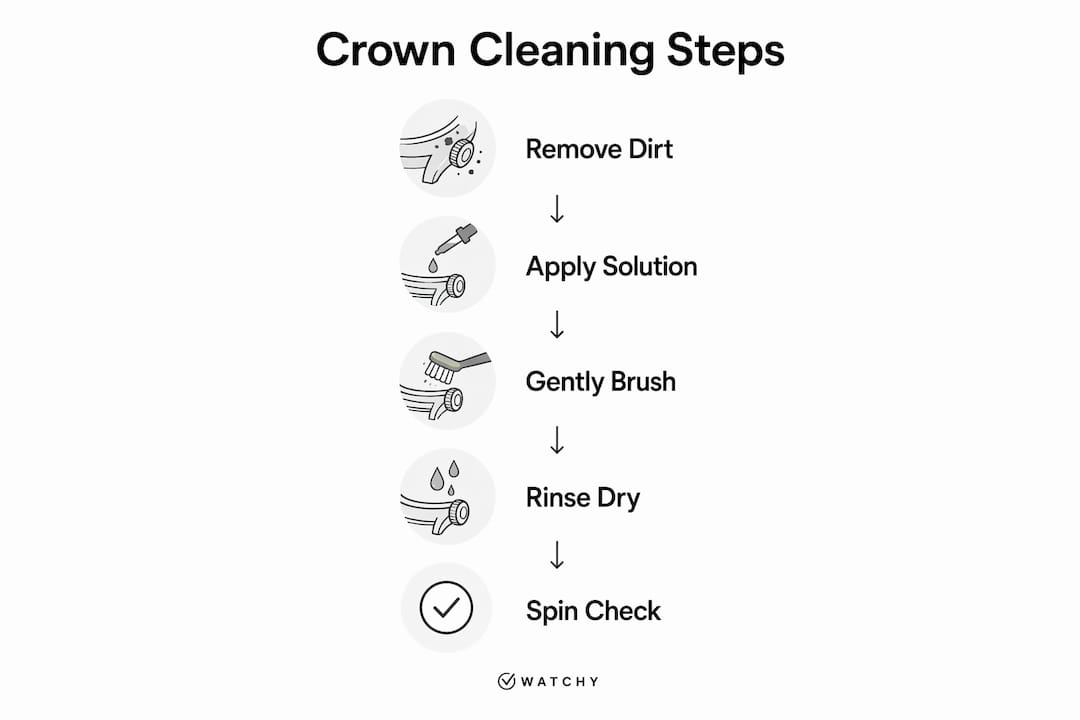
- Confirm the crown is fully secured. Push-pull crowns must be pushed flush; screw-down crowns must be threaded down tight. An unsecured crown is a direct path for water into the movement.
- Start dry. Use a soft, dry brush, a dedicated soft-bristle toothbrush works well, to sweep away loose dust and debris from around the crown tube and crown guards.
- Follow with a barely damp microfiber cloth. Wring it nearly dry before touching the case. Gentle surface cleaning maintains seals and avoids forcing moisture through crown openings.
- Use a wooden toothpick for stubborn grime. Wrap it in a small piece of cloth and work slowly around the crown base. Never insert anything metallic into the crown tube.
- Dry immediately and completely. Pat with a clean microfiber cloth, then let the watch air-dry face-up before storing or wearing.
- Skip lubrication entirely. Household lubricants like WD-40 degrade rubber gaskets and attract more dirt. Leave any lubrication to a professional during scheduled servicing.
Never operate the crown while the watch is wet. Water moves deeper into the case when the crown is pulled out under any moisture exposure, and even a watch rated for swimming is only protected when the crown is fully secured.
Pro Tip: After cleaning, spin the crown gently. Smooth action confirms the exterior is clear. Any grinding or resistance after cleaning points to an internal issue that needs a watchmaker.
Common mistakes that put your crown at risk
Most crown damage is avoidable. The most frequent errors come from well-meaning owners who skip one key step or reach for the wrong product.
- Dunking without checking the crown position. Water resistance ratings apply only when the crown is fully secured. Cleaning a watch under the tap with the crown even slightly loose causes water damage that often goes undetected until the dial fogs or rust sets in.
- Using household oils or WD-40. These break down rubber gaskets and attract contaminants. The damage compounds over time and is expensive to reverse.
- Ignoring a gritty or stiff crown. That texture means dirt or salt is already inside the threads. Continuing to use the crown in that state accelerates wear on the crown tube, a repair that involves replacing precision components.
- Forcing a screw-down crown. If it resists, stop immediately. Forcing causes cross-threading, which damages both the crown and the tube it seats into.
- Assuming old water resistance ratings still hold. Gaskets degrade over years regardless of how carefully you store the watch. A vintage piece rated at 100 meters may offer no real protection until it passes a current pressure test.
For a full picture of what goes wrong during DIY care, the watch collecting best practices guide covers the most common collector errors in detail.
When a professional watchmaker is the right call
Some crown problems go beyond what careful home cleaning can address. Knowing when to stop and call a watchmaker protects both the movement and your investment.
- Persistent stiffness after exterior cleaning is done
- Moisture, fog, or condensation visible under the crystal
- A crown that wobbles, feels loose, or will not seat flush
- Grinding or a sudden loss of the crown’s click positions
- Any crown issue on a vintage or high-value piece
Professional watchmakers perform detailed inspections, precision lubrication with watch-grade grease, gasket replacements, and pressure tests to restore verified water resistance. That combination of steps cannot be replicated at home. For collectors tracking their luxury timepiece maintenance, scheduling a professional service every few years is standard practice, not a luxury.
Pro Tip: Tell your watchmaker exactly what you noticed, stiffness, a gritty feel, or a specific incident like saltwater exposure. That context cuts diagnostic time and often reduces the repair cost.
ChronoCare makes crown care straightforward
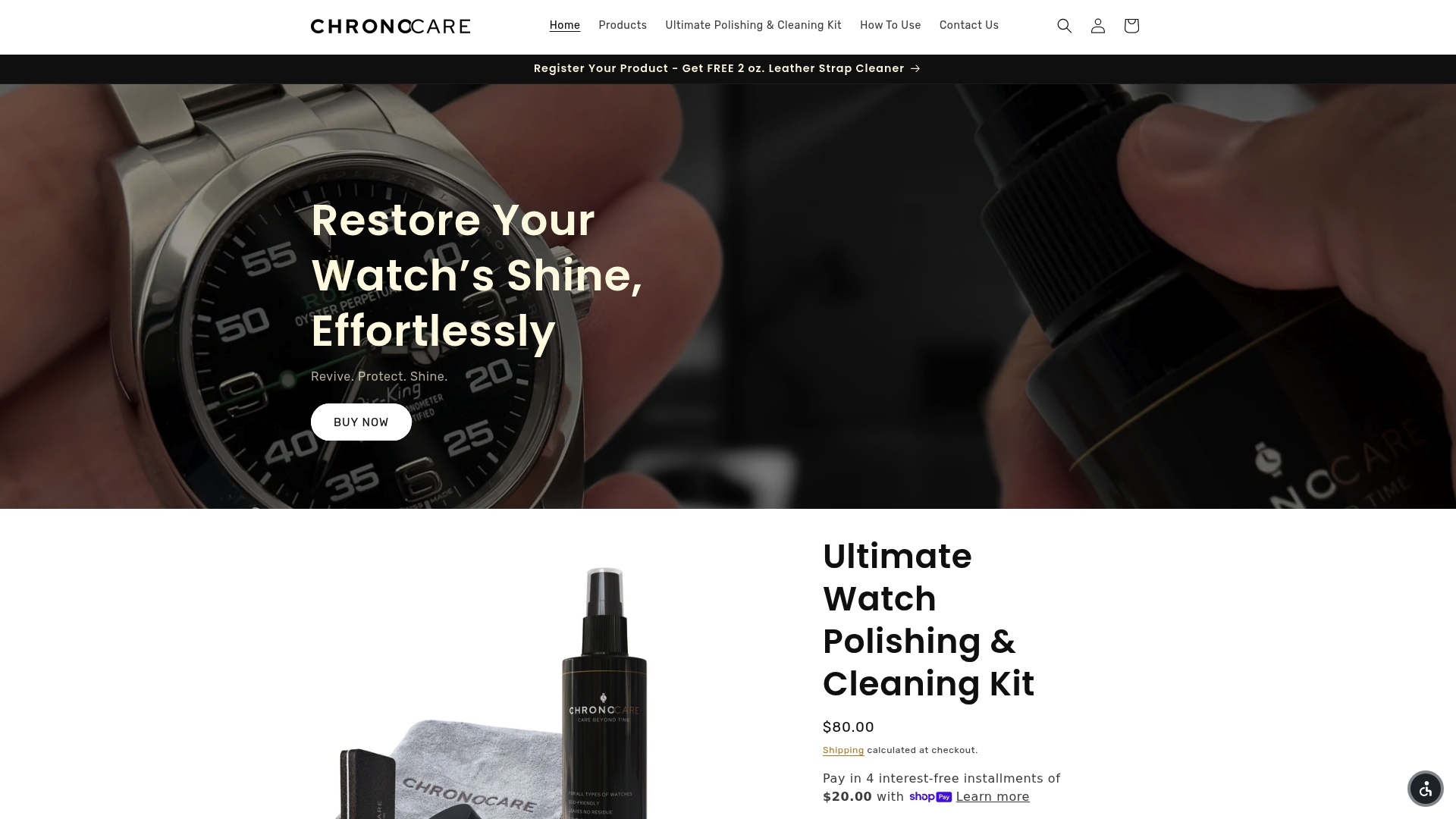
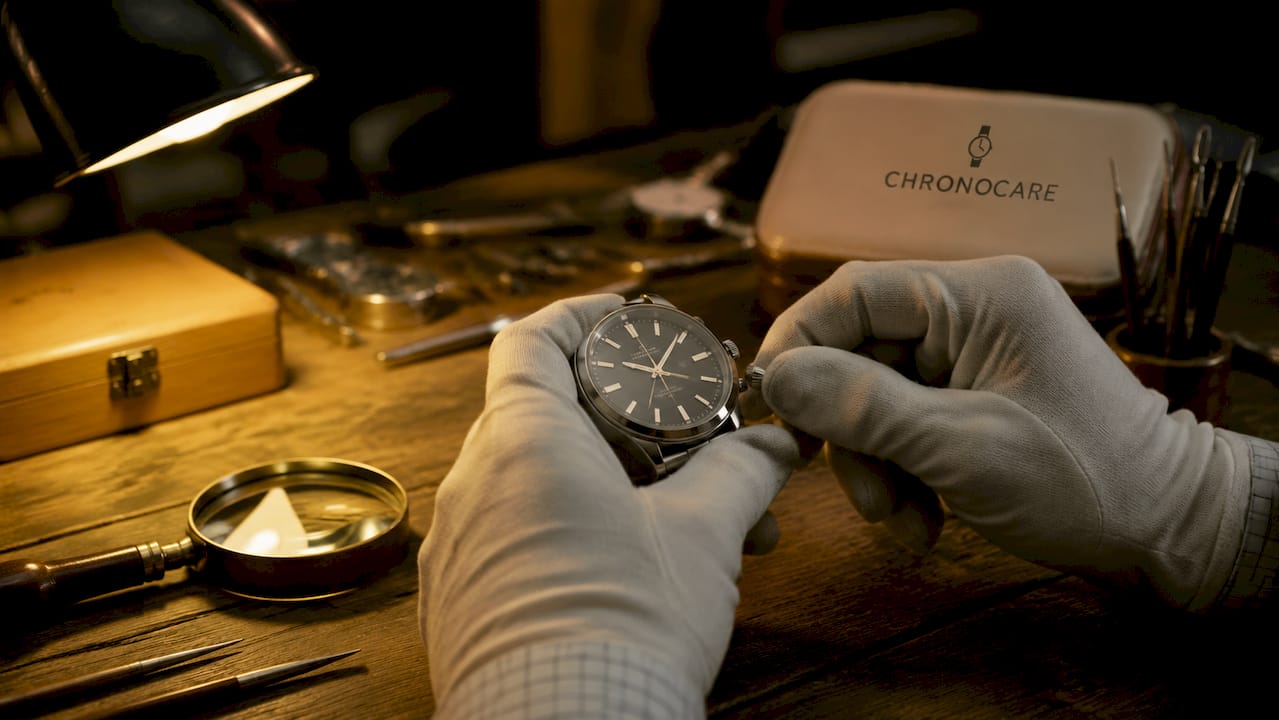
Keeping your crown clean between professional services requires the right tools, and that is exactly what ChronoCare built its kits around. The Ultimate Watch Cleaning Kit includes soft brushes and microfiber cloths sized for the detailed work around crown tubes and case crevices, formulated in the US for luxury timepieces. For collectors who also want to restore case finish alongside crown maintenance, the Ultimate Watch Polishing & Cleaning Kit adds polishing tools safe for delicate surfaces. Both kits align with the expert-recommended approach: gentle, exterior-only cleaning with materials that protect seals rather than stress them. Visit ChronoCare’s product pages to get the tools that match how seriously you take your watches.
Key Takeaways
Regular crown cleaning is the single most effective habit for preserving water resistance, preventing seal wear, and avoiding costly movement repairs on any watch you own.
| Point | Details |
|---|---|
| Crown is the top risk point | It is a moving seal; dirt in the threads degrades gaskets faster than any other wear source. |
| Always secure before cleaning | Push-pull or screw-down crowns must be fully closed before any moisture contacts the case. |
| Avoid household lubricants | WD-40 and similar products destroy rubber gaskets and attract grime; leave lubrication to professionals. |
| Know when to stop DIY | Fog under the crystal, grinding, or persistent stiffness after cleaning all require a watchmaker. |
| ChronoCare kits fit the method | The Ultimate Watch Cleaning Kit provides the brushes and cloths that expert-recommended crown care actually calls for. |