

Why Watch Band Cleaning Matters for Every Collector
Watch band cleaning is the practice of regularly removing bacteria, sweat, oils, and grime from watch straps to protect your skin, preserve the band’s material, and maintain the accuracy of your watch’s sensors. Most collectors obsess over the case and movement while the band quietly accumulates damage. A 2023 study found 95% of wristbands are contaminated with bacteria. That figure means the band on your wrist right now is almost certainly a health risk, not just a cosmetic concern. Understanding why watch band cleaning matters is the first step toward protecting both your investment and your skin.
Why watch band cleaning matters for hygiene and skin health
The skin under your watch band is warm, frequently damp, and covered for hours at a stretch. Those conditions are exactly what bacteria need to thrive. Sweat salts left on skin after drying cause maceration, a softening and breakdown of the skin barrier that dramatically increases infection risk. This is not a theoretical concern. Dermatologists regularly see contact dermatitis and folliculitis traced directly to unwashed watch bands.
Trapped moisture is the primary driver of band odor, skin irritation, and material breakdown across every band type. Bacteria feed on the organic material in sweat and dead skin cells, producing the unpleasant smell that many wearers mistakenly blame on the band material itself. Cleaning removes the food source, not just the symptom.
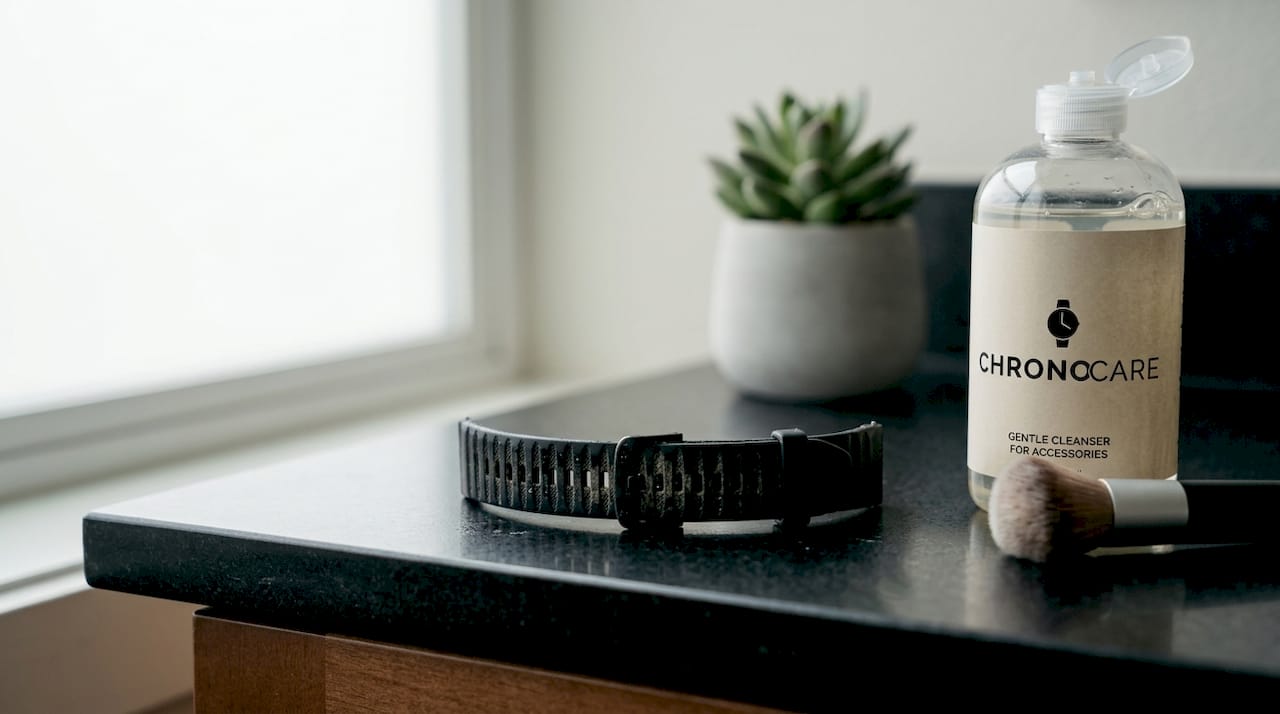
The hygiene risks compound quickly for active wearers. After a single workout, a silicone band can accumulate enough bacteria to cause noticeable skin irritation within 24 hours if not rinsed. Apple’s own guidance warns against lotion buildup that can impede sensor accuracy, confirming that cleanliness is a functional requirement, not just a preference.
Key hygiene risks from neglected watch bands include:
- Bacterial contamination leading to skin infections and folliculitis
- Contact dermatitis from accumulated sweat salts and chemical residues
- Persistent odor from bacteria metabolizing organic material in the band
- Sensor interference from lotion, sweat, and oil residue on optical sensors
- Accelerated skin maceration under bands worn during exercise
“The band is the part of your watch that touches your body every single day. Treating it as an afterthought is the equivalent of never washing a piece of clothing you wear 16 hours a day.” — Watch care specialist perspective shared across collector communities
How dirt and grime reduce your watch band’s lifespan
Grime does not sit passively on a watch band. It acts as a fine abrasive, and dirt accelerates wear up to 40% faster on pins and polished surfaces when cleaning is neglected. For a collector with a Rolex Oyster bracelet or an Omega Seamaster, that accelerated wear translates directly into reduced resale value and costly refinishing work.
The damage mechanism works in two stages. First, particulate grime lodges in the micro-gaps between bracelet links and around spring bar pins. Second, moisture trapped by that grime begins to oxidize metal surfaces, creating corrosion that weakens structural integrity over time. Professional cleaning prevents this moisture-driven corrosion and keeps link joints moving freely, which is something a quick wipe with a cloth cannot achieve.
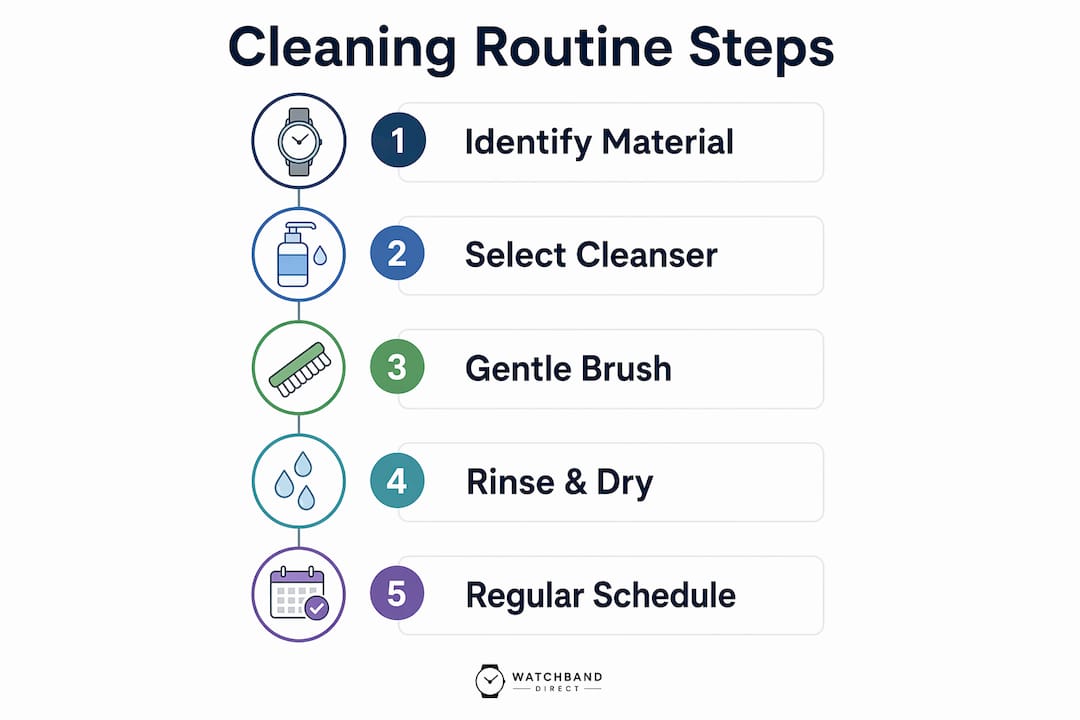
Here is how neglect versus regular cleaning compares across the most common band materials:
| Band material | Effect of neglect | Benefit of regular cleaning |
|---|---|---|
| Stainless steel | Link corrosion, dulled finish, stiff bracelet | Preserved polish, smooth articulation, no oxidation |
| Leather | Cracking, staining, permanent odor absorption | Supple texture, extended color integrity, no odor |
| Silicone | Lint buildup, discoloration, bacterial film | Restored clarity, no bacterial load, longer elasticity |
| Nylon/NATO | Deep staining, fraying, persistent odor | Color retention, structural integrity, fresh smell |
The financial argument for regular cleaning is straightforward. A watch band that is cleaned weekly retains its appearance and function far longer than one that is wiped down occasionally. For collectors who rotate pieces or plan to sell, boutique cleaning standards directly influence the price a watch commands at resale.
The steps below show how neglect compounds over time:
- Sweat and oils accumulate in link joints and around the clasp mechanism.
- Particulate grime binds to the moisture layer, forming an abrasive paste.
- That paste wears down polished surfaces and pin edges with every wrist movement.
- Trapped moisture begins oxidizing metal, creating micro-corrosion invisible to the naked eye.
- Over months, stiffness, discoloration, and structural weakening become visible and permanent.
Material-specific cleaning methods and how often to clean
Identifying your band material before cleaning is the single most important step in watch band maintenance. The wrong cleaning agent on leather can crack it permanently. Harsh chemicals on silicone degrade the polymer structure. Each material has a specific protocol that protects rather than damages.
Silicone bands attract lint and oils through a mild positive charge on their surface. Mild soap and water are the correct cleaning agents. Rinse after every workout, deep clean weekly, and never use alcohol-based cleaners or acetone, which break down the silicone matrix. For detailed guidance on removing mineral deposits and sweat staining from silicone, ChronoCare’s guide on sweat stain removal covers the process step by step.
Leather bands are water-sensitive and require the most careful approach. Wipe with a barely damp cloth, never submerge, and apply a leather conditioner after cleaning to prevent drying and cracking. Clean every two weeks under normal wear, and immediately after any exposure to rain or heavy perspiration. Avoid direct sunlight during drying, which causes the leather to stiffen and crack.
Metal bracelets need weekly deep cleaning with mild soap and a soft-bristle brush to clear grease from link joints. Never use abrasive cleaners or steel wool, which scratch plating and remove the surface finish. A soft toothbrush reaches between links effectively. Dry thoroughly with a lint-free cloth immediately after washing.
Nylon and NATO straps tolerate hand washing with mild detergent and air drying flat. Replace them when the weave begins to fray or the buckle area shows permanent staining. Nylon is the most forgiving material to clean but also the fastest to show neglect visually.
Pro Tip: Rotating between two or three bands allows each one to fully dry and air out between wears. Rotating bands doubles the effective lifespan of your collection and prevents the moisture buildup that drives both odor and material breakdown.
How to build an effective watch band cleaning routine
A consistent cleaning routine takes less than five minutes and prevents the kind of damage that requires professional restoration. The process below works across all band types with material-appropriate adjustments.
- Remove the band from the watch case. Apple specifically recommends band removal before cleaning to protect sensors and avoid moisture entering the case. This applies equally to mechanical watches where water ingress risks movement damage.
- Rinse or wipe based on material. Silicone and metal bands tolerate running water. Leather requires a barely damp microfiber cloth. Nylon can be hand-washed in a small bowl with diluted mild soap.
- Brush link joints and grooves. A soft-bristle toothbrush or dedicated watch brush clears grime from the areas a cloth cannot reach. Hidden grease in link joints interferes with smooth bracelet movement and is the most commonly missed area in home cleaning.
- Rinse thoroughly to remove all soap residue. Soap left in link joints attracts more dirt and can cause skin irritation on the next wear.
- Dry completely before reattaching. Pat dry with a lint-free cloth, then allow the band to air dry fully. Thorough drying after cleaning prevents maceration and stops moisture from being sealed against the skin when you put the watch back on.
- Reattach and inspect the spring bars. Cleaning is a good opportunity to check that spring bars are seated correctly and show no signs of corrosion or fatigue.
Signs that a band needs professional servicing rather than home cleaning include visible corrosion on metal links, persistent odor after thorough washing, stiffness in the clasp mechanism, and any cracking or delamination of the band material. Professional ultrasonic cleaning reaches areas no brush can access and includes lubrication and seal inspection that home care cannot replicate.
Pro Tip: Clean your band immediately after any workout rather than waiting for your scheduled weekly clean. Post-exercise sweat contains the highest concentration of salts and bacteria, and allowing it to dry on the band accelerates both material degradation and skin irritation.
Key takeaways
Regular watch band cleaning protects skin health, preserves material integrity, and maintains the resale value of your watch by removing the bacteria, grime, and moisture that cause irreversible damage.
| Point | Details |
|---|---|
| Hygiene is the primary reason to clean | 95% of wristbands carry bacteria; weekly cleaning removes the health risk. |
| Grime accelerates physical wear | Dirt acts as an abrasive that speeds up surface and pin wear by up to 40%. |
| Material dictates the method | Leather, silicone, metal, and nylon each require different cleaning agents and frequencies. |
| Drying is as important as washing | Trapped moisture after cleaning causes maceration and material breakdown. |
| Rotation extends band life | Alternating between bands allows full drying and doubles collection lifespan. |
The habit most collectors overlook
I have handled hundreds of watches over the years, and the pattern is consistent. Collectors who spend thousands on a Patek Philippe or an Audemars Piguet will send the movement for service every five years without question. The same people hand me bands that have never been cleaned. The leather is cracked, the metal links are stiff, and the clasp is corroded. The band is often worth several hundred dollars on its own, and it has been treated like a disposable accessory.
The mindset shift that matters most is recognizing that the band is not separate from the watch. It is a mechanical and aesthetic component that requires the same deliberate care. A five-minute weekly routine prevents the kind of damage that requires professional restoration or outright replacement. For collectors, that is not just a hygiene argument. It is a financial one.
My honest recommendation is to combine weekly home cleaning with an annual professional service for metal bracelets, particularly if you wear your watch daily. The premium watch care products designed specifically for collector-grade timepieces make the home routine faster and safer than improvising with household cleaners. The collectors I know who treat band care as seriously as movement care consistently own watches that look and perform better at the five-year mark than those who do not.
— Raymond Jenkins
Keep your bands in collector condition with ChronoCare
ChronoCare formulates its cleaning and polishing products specifically for the materials and finishes found on luxury timepieces. Generic household cleaners risk damaging the very surfaces you are trying to protect.
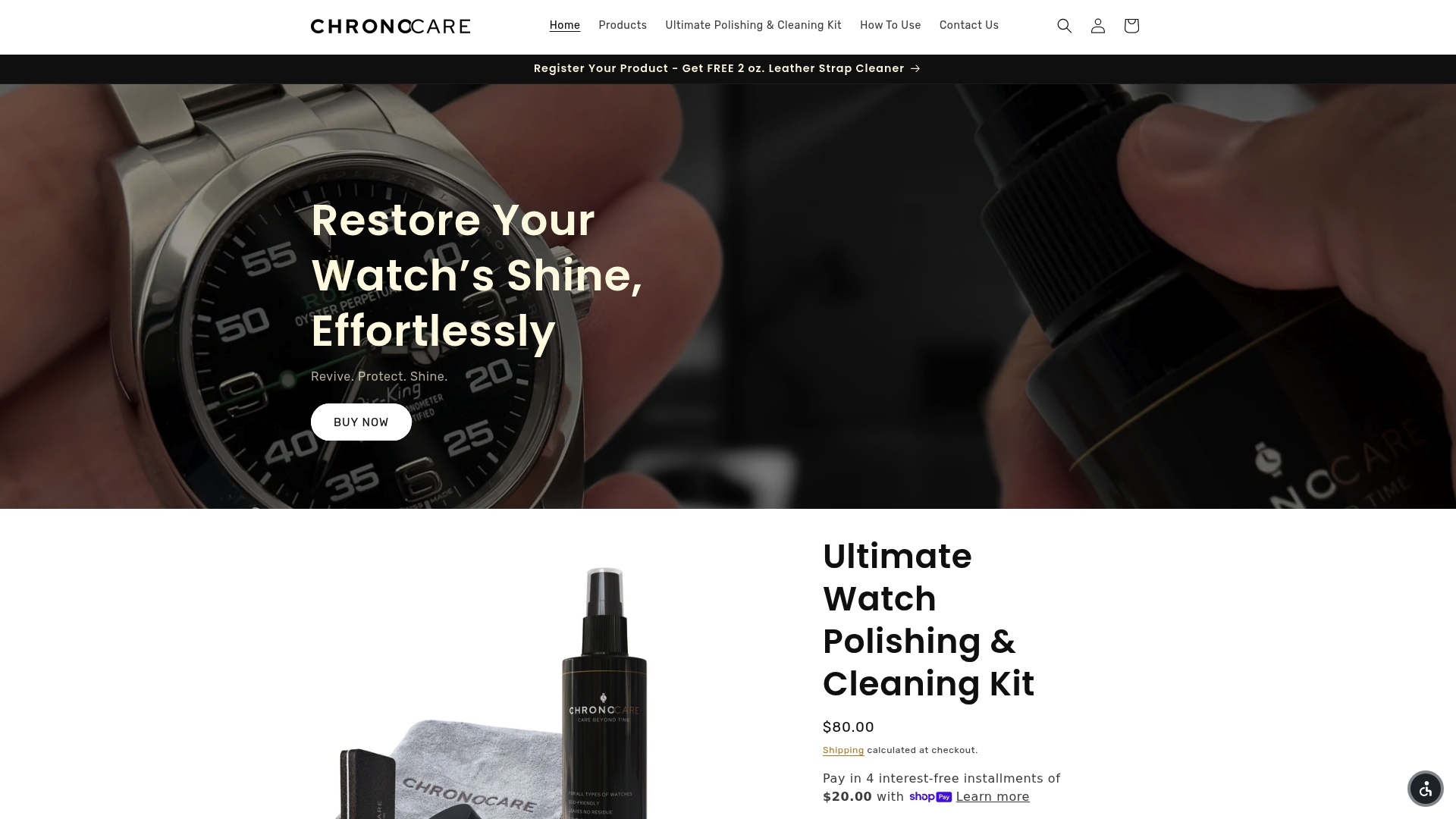
The ChronoCare watch cleaning kit includes everything needed to clean silicone, metal, and leather bands safely, with formulas developed to remove bacterial buildup without degrading sensitive materials. For collectors who want to address both cleaning and surface restoration in one kit, the polishing and cleaning kit combines both functions with tools designed for precision work on high-end bracelets. Every product is formulated in the US and tested on the materials that matter most to serious collectors.
FAQ
How often should you clean a watch band?
Clean silicone and metal bands at least once a week and immediately after workouts. Leather bands should be wiped down every two weeks and conditioned monthly to prevent cracking.
Can a dirty watch band cause skin problems?
Yes. Sweat salts and bacteria trapped under a band cause skin maceration, contact dermatitis, and folliculitis, particularly in people who wear their watch during exercise.
What cleaning products are safe for watch bands?
Mild soap and water work for silicone, nylon, and metal bands. Leather requires a barely damp cloth and a dedicated leather conditioner. Avoid bleach, hydrogen peroxide, and alcohol-based cleaners on any band material, as Apple’s cleaning guidance confirms these damage both the band and sensor components.
Does cleaning a watch band affect its resale value?
Regular cleaning directly preserves resale value by preventing the corrosion, cracking, and discoloration that reduce a watch’s market price. Grime acting as an abrasive accelerates surface wear on polished metal, which is one of the first things a buyer or appraiser notices.
When should you take a watch band to a professional for cleaning?
Take a band to a professional when you notice persistent odor after home cleaning, stiffness in the clasp or links, visible corrosion, or cracking in the material. Professional ultrasonic cleaning reaches link joints and internal mechanisms that no home method can address.