

Luxury Watch Packaging Standards List: 2026 Guide
Luxury watch packaging standards define the structural, material, and presentation requirements that protect high-value timepieces and signal brand quality to collectors and retailers alike. This luxury watch packaging standards list covers every critical criterion, from minimum greyboard thickness and interior foam engineering to multi-layer shipping protocols and branding techniques. Getting these standards right is not optional. Packaging is the first physical interaction a collector has with a timepiece, and it directly affects perceived value, resale potential, and the integrity of the watch’s provenance.
1. Luxury watch packaging standards list: material and structural requirements
The foundation of any high-end watch packaging is the box construction itself. Luxury watch boxes require greyboard at 2.5–3mm thickness, compared to 1.5–2mm for standard jewelry boxes. That extra thickness is not decorative. Watches weigh 150g–300g empty, and the box must absorb handling stress without warping or collapsing.
Premium outer materials include genuine leather, suede, velvet-wrapped rigid board, and wood-effect finishes. Each signals a different tier of exclusivity. Leather conveys heritage; wood-effect board conveys craft. The material choice must match the watch brand’s identity, not just look expensive.
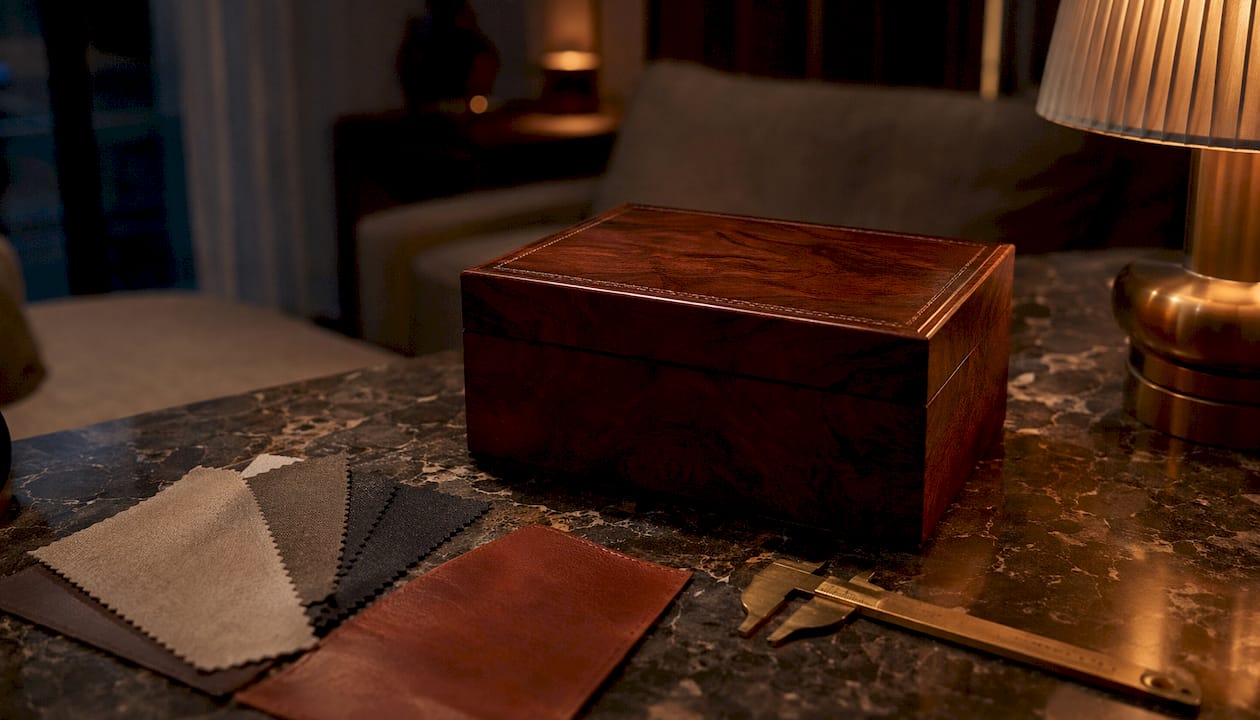
Structural reinforcements matter as much as surface materials. Strong magnets on closures, reinforced hinged lids, and double-wall construction all contribute to the tactile weight that collectors associate with quality. A box that feels flimsy undermines the watch inside it, regardless of price.
Pro Tip: Test the magnet closure with one hand. A well-engineered luxury watch box should close with a satisfying, controlled snap, not a clunk or a gap.
Dimensions must account for case diameter, lug-to-lug length, and bracelet bulk. A box sized only for the case diameter will crush the lugs or leave the bracelet rattling. Precise sizing is a structural requirement, not an afterthought.
2. Interior engineering: securing the watch and enhancing presentation
Interior engineering is the most underestimated element in luxury watch box requirements. Prioritizing interior engineering over aesthetics alone prevents watch rattling, which directly damages consumer trust. A watch that shifts inside its box during shipping arrives with scratched lugs or a damaged crown.
Contoured foam cradles and padded pillows must be tailored to specific watch dimensions. The pillow must support the case without pressing on the crown or pushers. Slot widths of at least 55–60mm are recommended for standard watches, with 60–70mm for large sports models. These measurements account for bracelet bulk and strap thickness.
Interior pillow covers should use suede or velvet. Both materials protect the crystal and case from micro-scratches during storage and transport. Velvet has a softer nap; suede offers a firmer grip. Either works, but the cover must be lint-free and color-fast.
Pro Tip: Ask your packaging supplier for a sample box fitted with your specific reference. Test it by shaking the closed box. Zero movement means the interior engineering is correct.
Separate compartments for warranty cards, manuals, and spare links are a standard requirement in collector-grade packaging. These documents are part of the watch’s provenance. Losing them reduces resale value. A dedicated slot or envelope pocket inside the lid keeps everything organized and protected.
3. Shipping and logistics standards for safe transport
Shipping a luxury watch without proper outer packaging is the fastest way to destroy its value before it reaches the buyer. Shipping protocols require triple-layer bubble wrap with bubbles of at least 10mm, triple-wall corrugated cardboard rated for 200kg crush resistance, and air or foam cushions to eliminate internal movement. That crush resistance rating matters for pallet stacking during freight transport.
The outer shipping box must be sized so the inner presentation box cannot shift. Foam inserts or air cushions fill any gap between the two. Movement inside the outer box is the primary cause of damage during transit.
Key shipping packaging requirements include:
- Triple-layer bubble wrap with bubbles no smaller than 10mm
- Triple-wall corrugated cardboard tested to 200kg crush resistance
- Air cushions or foam blocks to eliminate all internal movement
- Tamper-evident seals on the outer carton
- Neutral labeling with no visible indication of watch contents
Neutral labeling is a security standard, not a branding choice. A box labeled “luxury watch” is a theft target. Discreet outer packaging protects both the retailer and the collector.
| Shipping Layer | Material Standard | Purpose |
|---|---|---|
| Inner wrap | Triple-layer bubble wrap, 10mm+ bubbles | Absorbs impact and vibration |
| Outer box | Triple-wall corrugated, 200kg crush rated | Resists compression during stacking |
| Void fill | Air cushions or foam blocks | Eliminates movement inside the box |
| Security | Tamper-evident seals | Confirms package integrity on arrival |
4. Branding and finishing standards
Branding on luxury watch boxes is most effective when clean and focused. Excessive logos reduce perceived exclusivity. The standard approach uses debossing, embossing, or foil stamping for the brand mark, applied once on the lid exterior. That single, well-placed mark carries more weight than a logo repeated across every surface.
Interior lid branding creates a secondary brand moment during unboxing. A debossed logo or subtle embossed pattern on the interior lid surface is visible only after the box opens. That sequencing, exterior restraint followed by interior reveal, is a deliberate design technique used across the luxury goods sector.
Finishing standards that signal quality include:
- Debossed or embossed logos on the lid exterior (single placement)
- Foil stamping in gold, silver, or matte black for contrast
- Interior lid branding for a second moment of discovery
- Consistent color palette tied to brand identity
- Subtle texture patterns on outer surfaces to add depth without clutter
Color and texture choices must be consistent across all packaging formats a brand produces. A collector who owns multiple pieces from the same brand expects visual coherence across every box. Inconsistency signals a lapse in quality control.
5. Collector sets, travel cases, and display formats
Luxury watch packaging includes multiple specialized formats: presentation boxes, collector sets, travel cases, and display units. Each format serves a different use case and requires its own engineering approach.
Collector sets hold multiple watches in a single case with padded dividers between each compartment. The dividers must be thick enough to prevent case-to-case contact. A collector set without proper dividers is a scratch risk, not a storage solution.
Travel cases prioritize impact resistance. They use zip closures, reinforced shells, and individual foam cradles for each watch. The foam must be dense enough to absorb a drop without compressing fully. A travel case that bottoms out on impact offers no real protection.
Display boxes optimize for visibility. Glass lids, integrated lighting, and angled cradles allow a watch to be seen without being handled. These formats are standard in retail environments and high-end collector display cabinets. Some display boxes include built-in watch winders for automatic movements, keeping the watch wound and ready to wear.
Sustainability in luxury packaging now includes FSC-certified materials, eco-friendly adhesives, and low-impact inks. Collectors and retailers increasingly expect environmental responsibility alongside luxury quality. These two goals are not in conflict. FSC-certified rigid board performs at the same structural level as conventional alternatives.
6. Quality control and production standards
Quality control during production involves testing hinges, magnets, and fit before shipment. A box that passes visual inspection but fails after 50 openings is a defective product. Structural durability must hold across hundreds of open-and-close cycles, which is the realistic lifespan of a collector-grade presentation box.
Custom luxury watch boxes typically require 4–8 weeks of lead time, with minimum order quantities ranging from 50 to 300 units depending on design complexity. Suppliers quoting lead times shorter than four weeks on complex custom designs are a quality risk. Compressed production timelines cut corners on curing time for adhesives and finishing treatments.
Testing should include:
- Hinge stress testing across a minimum of 200 open-and-close cycles
- Magnet pull-force measurement to confirm consistent closure
- Drop testing of the fitted box from standard handling heights
- Fit verification with the actual watch reference, not a generic dummy
Retailers sourcing packaging for pre-owned watches must apply the same standards as new watch packaging. Collector-grade packaging preserves timepiece value, and original packaging is considered part of a watch’s collectible record. A pre-owned watch sold in a generic box loses a measurable portion of its market value.
7. How packaging affects watch investment grade and resale value
Packaging is part of a watch’s provenance record. A timepiece sold with its original box, papers, and accessories commands a higher price than the same reference without them. Original packaging is considered part of the watch’s collectible data, and serious collectors factor it into purchase decisions.
For retailers, this means packaging is not a cost center. It is a value driver. A well-engineered presentation box signals that the watch inside has been stored and handled correctly. That signal affects buyer confidence and final sale price. You can read more about how packaging affects investment grade perception in the collector market.
Retailers and collectors who understand the impact of care on resale value treat packaging as an active preservation tool, not passive storage. Keeping the original box clean, dry, and structurally intact is as important as keeping the watch itself in good condition.
Key Takeaways
Luxury watch packaging standards require structural greyboard at 2.5–3mm, precisely engineered interiors, multi-layer shipping protection, and restrained branding to protect timepiece value and deliver a credible collector-grade experience.
| Point | Details |
|---|---|
| Greyboard thickness | Use 2.5–3mm greyboard to support watches weighing 150g–300g without warping. |
| Interior engineering | Size pillow slots to 55–70mm based on watch model to prevent movement and damage. |
| Shipping protection | Use triple-layer bubble wrap and 200kg-rated corrugated cardboard for safe transit. |
| Branding restraint | Apply logos once via debossing or foil stamping; interior lid branding adds a second reveal. |
| Provenance value | Original packaging is part of a watch’s collectible record and directly affects resale price. |
Why interior engineering is the standard most retailers get wrong
Most conversations about luxury watch packaging focus on the exterior. The leather, the magnet, the logo. Those details matter, but they are not where packaging fails. Packaging fails on the inside.
I have seen presentation boxes from otherwise serious retailers where the watch pillow was sized for a generic 40mm case, stuffed into a box meant to hold a 44mm sports reference. The watch rattled. The crown caught on the foam edge. The box looked expensive and performed like a cardboard sleeve.
The interior engineering standard is not complicated, but it requires one thing most retailers skip: measuring the actual watch. Lug-to-lug length, bracelet thickness, crown position. These are not optional inputs. They are the spec sheet for the interior. A pillow built without them is a guess, and guesses scratch watches.
For collectors, the packaging condition is a direct signal about how the previous owner treated the timepiece. A crushed box, a stained pillow, a missing warranty sleeve. Each one reduces the story the watch can tell. Collectors who understand watch photography and presentation already know that presentation is part of the value. Packaging is presentation that lasts decades.
My practical advice: if you are a retailer sourcing custom boxes, request a fitted sample with your specific reference before approving production. If you are a collector, store your boxes flat, away from humidity, and never stack them without a protective layer between them. The box is not packaging. It is part of the watch.
— Raymond Jenkins
ChronoCare and the complete picture of watch preservation
Packaging protects a watch from the outside. What protects it from the inside out is consistent, correct maintenance.
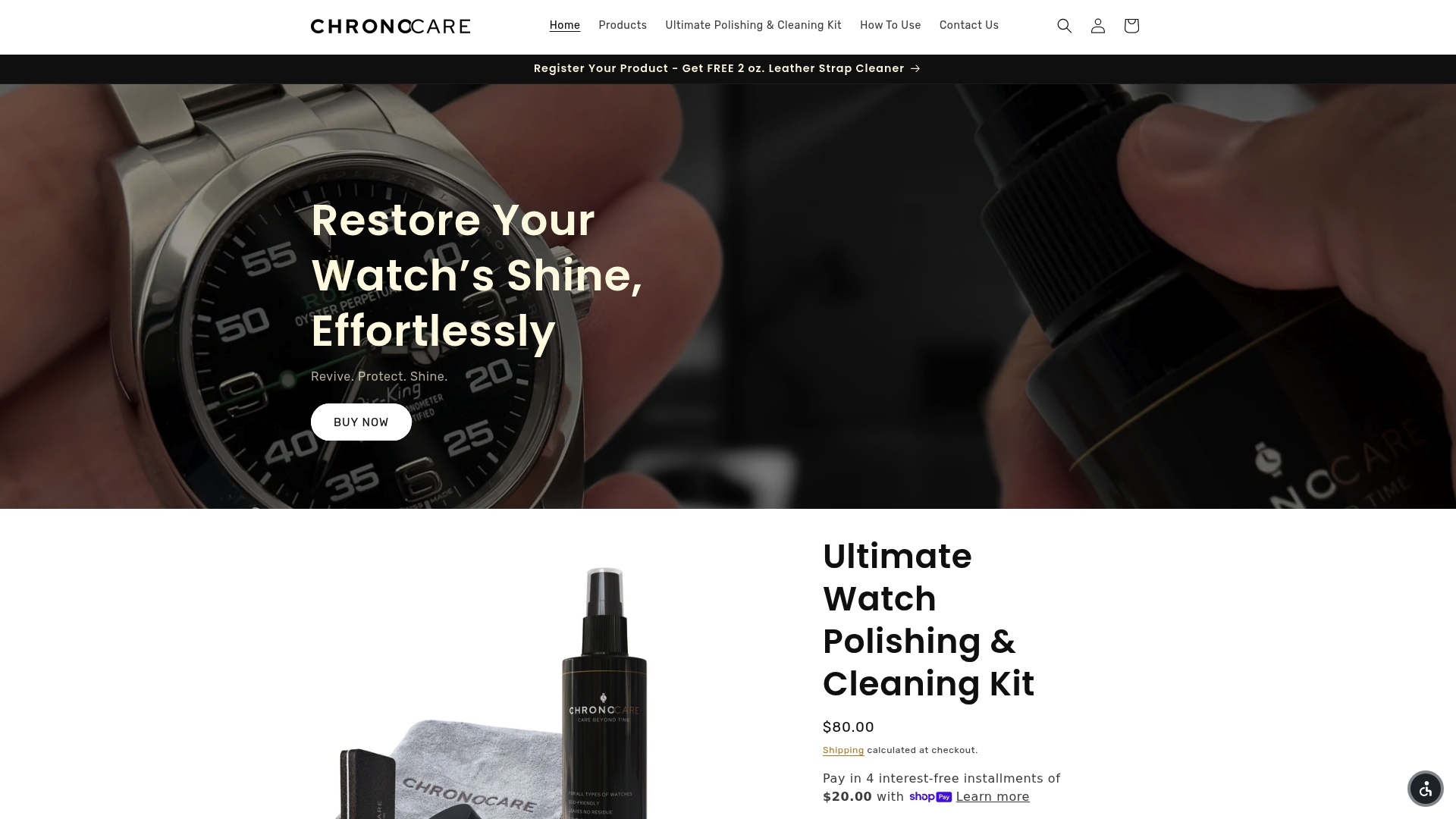
ChronoCare’s Ultimate Watch Cleaning Kit is formulated specifically for luxury timepieces, removing oils, dust, and residue without damaging case finishing or crystal coatings. For collectors who want to present a watch at its best before it goes back into its box, ChronoCare’s polishing and cleaning kit restores surface clarity and removes light surface marks. A clean, polished watch inside a correctly engineered box is the complete preservation standard. Both elements protect value, and neither works as well without the other.
FAQ
What greyboard thickness is required for luxury watch boxes?
Luxury watch boxes require greyboard at 2.5–3mm thickness to support timepieces weighing 150g–300g. Standard jewelry boxes use 1.5–2mm, which is insufficient for heavier watches.
What slot width should a watch pillow have?
Standard watches need slot widths of 55–60mm; large sports models need 60–70mm. These measurements account for bracelet bulk and prevent the watch from moving inside the box.
How should a luxury watch be packaged for shipping?
Use triple-layer bubble wrap with 10mm or larger bubbles, triple-wall corrugated cardboard rated to 200kg crush resistance, and foam or air cushions to eliminate movement. Neutral outer labeling protects against theft.
Does original packaging affect a watch’s resale value?
Original packaging is considered part of a watch’s provenance and collectible record. A watch sold with its original box and papers consistently commands a higher resale price than the same reference without them.
How long does custom luxury watch box production take?
Custom luxury watch boxes typically require 4–8 weeks of lead time. Suppliers quoting shorter timelines on complex designs present a quality risk due to compressed production and finishing schedules.