

Collectors: Clean Watch Casebacks Without Stripping Patina or Seals
For most metal casebacks, the safest at-home method is a dry microfiber wipe followed by targeted soft-brush cleaning with one drop of mild soap and careful drying. Stop immediately if you notice a cracked gasket, corrosion, or moisture under the crystal, since those signs mean the watch needs a professional. We at ChronoCare build our cleaning guides and products around that same cautious approach.
TL;DR:
- Use a microfiber cloth and a soft-bristled toothbrush with one drop of mild soap for safe, routine cleaning of metal casebacks, avoiding soaking or ultrasonic cleaners.
- Carefully check gasket, seal, and crown condition before wet cleaning, and stop if signs of corrosion or moisture under the crystal appear, signaling professional service is needed.
- Remove leather or fabric straps before cleaning and use minimal dampness, following up with leather conditioner or thorough drying to prevent damage or mold.
- Escalate stubborn grime with plastic picks or isopropyl alcohol sparingly, but stop cleaning immediately if active corrosion or green residue is visible.
- Polishing should be limited to light scratches, following the existing grain, and avoided near engravings or edges to prevent altering the watch’s shape or value.
Table of Contents
- What you need before you start cleaning
- Step-by-step: cleaning the caseback and its crevices
- Cleaning around leather, silicone, and fabric straps
- Handling stubborn grime, discoloration, and light corrosion
- Polishing light scratches: what you can safely do at home
- When to stop cleaning and call a professional
- A collector’s take on caseback cleaning
- Our picks for safe caseback cleaning and polishing
- FAQ
- Sources
What you need before you start cleaning
Gather a few basics before touching the caseback. A clean, padded surface protects the crystal and finish while you work, and good lighting helps you spot grime hiding in the lug crevices.
- A lint-free microfiber cloth for dry wiping and final drying
- A soft-bristled toothbrush, reserved only for watch care
- A couple of wooden or plastic picks for dislodging debris in tight spots
- A small bowl of fresh water with one drop of mild dish soap or a watch-specific cleaning formula
Before you wet anything, check the crown position, look for loose pushers or a lifting bezel, and note the strap material, since leather and metal call for different handling.
Avoid bleach, abrasive pads, and household ultrasonic cleaners, which can loosen old gaskets on vintage pieces. Never open the caseback yourself. That is a job for a trained watchmaker with the right tools and a dust-free bench.
Pro Tip: Keep a dedicated “watch cleaning” toothbrush separate from anything used with toothpaste, since mint oils and abrasives can leave residue on metal.

Step-by-step: cleaning the caseback and its crevices
Work through this process in order rather than jumping straight to soap and water.
- Secure the watch. Lay it face down on a soft cloth. Remove the strap if it is leather or fabric and confirm the crown is pushed in or screwed down.
- Wipe dry first. Use the microfiber cloth to lift dust, skin oils, and loose particles from the caseback and lug edges before any liquid touches the watch.
- Clean wet, but controlled. Dip the soft-bristled toothbrush into the bowl with one drop of mild soap and work it gently into the crevices around the lugs and caseback edge. A soft-bristled toothbrush used at a 45-degree angle with minimal pressure is the standard tool here, since pointed or hard bristles can push grime deeper or scratch the finish. Follow the direction of any brushed lines rather than scrubbing across them.
- Rinse carefully. Wipe away soap residue with a clean, barely damp cloth. Never hold the watch under a running tap, even if it carries a high water-resistance rating, since that rating reflects a lab pressure test rather than a guarantee against everyday splashing, and seals degrade over time.
- Dry thoroughly. Finish with a dry microfiber cloth, then use a cotton swab for the gaps around pushers and lugs. Let the watch air out for a few minutes before reattaching the strap.
One drop of mild soap is enough for most metal casebacks, according to common collector cleaning practice, and using more tends to leave a film that attracts dust instead of removing it.
Skip canned compressed air near the caseback edges. The pressure can force moisture or debris past seals that are already showing wear, undoing the careful work you just did.

Cleaning around leather, silicone, and fabric straps
Straps need different handling than the caseback itself, since soap and water that are fine on steel can ruin leather or loosen fabric weave.
- Remove leather and fabric straps before cleaning, or protect the lugs with a small strip of tape if removal feels risky.
- For the area right around the caseback, use a barely damp swab rather than soaking anything, and follow up with a leather-specific conditioner instead of water on the strap itself.
- Silicone and rubber straps tolerate mild soap and water well and can be rinsed more freely than leather.
- Dry fabric and leather straps fully before storage, since trapped moisture invites odor and mold.
- Check spring bars for rust or pitting before reattaching any strap, and replace a corroded bar rather than forcing it back into place.
Handling stubborn grime, discoloration, and light corrosion
When a soft brush and mild soap leave residue behind, escalate slowly instead of reaching for something stronger right away.
- Try mechanical removal first: a wooden or plastic pick, used at low pressure, often lifts caked dirt that soap alone won’t touch.
- Isopropyl alcohol can help with greasy residue, but use it sparingly, test a small area first, and keep it away from rubber gaskets, which it can dry out and crack.
- Not every dark mark is damage. Patina, the natural aging of metal or dial finishes, is often part of a collector watch’s character and worth preserving unless it affects function or hygiene. Our guide to removing discoloration walks through how to tell the difference.
Pro Tip: If you see green residue, rust on pins, or active flaking rather than stable discoloration, stop cleaning and send the watch to a professional before it spreads.
Polishing light scratches: what you can safely do at home
Before polishing anything, identify whether the surface is brushed or polished, since using the wrong motion on a brushed caseback can leave visible cross-grain marks that are hard to undo.
- Test any polishing cream on a small, low-visibility area first to check how the metal responds.
- Apply minimal pressure with a soft cloth, following the existing grain direction, and avoid edges, engraved text, or case markings entirely.
- Remember that polishing removes a thin layer of metal every time. Repeated or aggressive polishing can round off case edges and reduce a watch’s collector value by altering its original geometry.
- Stop immediately if you notice the case edge rounding, the finish changing character, or metal visibly thinning near an engraving.
Our guide to polishing after service covers how professionals approach deeper scratch work when home methods aren’t enough.
When to stop cleaning and call a professional
Some signs mean cleaning alone won’t fix the problem, and continuing to work on the watch yourself risks making things worse.
- Visible moisture or fogging under the crystal means a seal has likely failed and needs replacement, not more cleaning.
- A crown that feels loose, sticky, or doesn’t screw down fully should be inspected before any wet cleaning.
- Loose spring bars or active corrosion on pins call for professional attention rather than a home fix.
Manufacturers including Patek Philippe recommend servicing mechanical watches periodically to ensure precision and gasket integrity, and rinsing with fresh water after exposure to saltwater or chlorinated pools to protect gaskets. Grand Seiko’s care instructions similarly call for wiping away sweat and moisture promptly and protecting the case body from water splashes during band cleaning. When in doubt, contact an authorized service center, pack the watch in its original box or a padded case for shipping, and ask whether they can pressure-test the seals if water exposure is a concern.
A collector’s take on caseback cleaning
Cleaning a caseback should protect what makes the watch valuable, not erase it. I’d rather see a collector leave a stable patina alone than chase a showroom finish that strips away decades of honest wear. An at-home clean makes sense for routine dust and fingerprints. Anything involving seals, corrosion, or deep scratches belongs with a watchmaker who can take the case apart safely.
— Raymond Jenkins
Our picks for safe caseback cleaning and polishing
Our product lineup follows the same steps outlined above, so you don’t have to guess which tools belong in your kit. The Ultimate Watch Cleaning Kit pairs microfiber cloths with a gentle solution suited to the crevice cleaning described in our step-by-step section, while the Ultimate Watch Polishing & Cleaning Kit adds a polishing cream and soft tools for blending light surface marks once the watch is clean and dry.
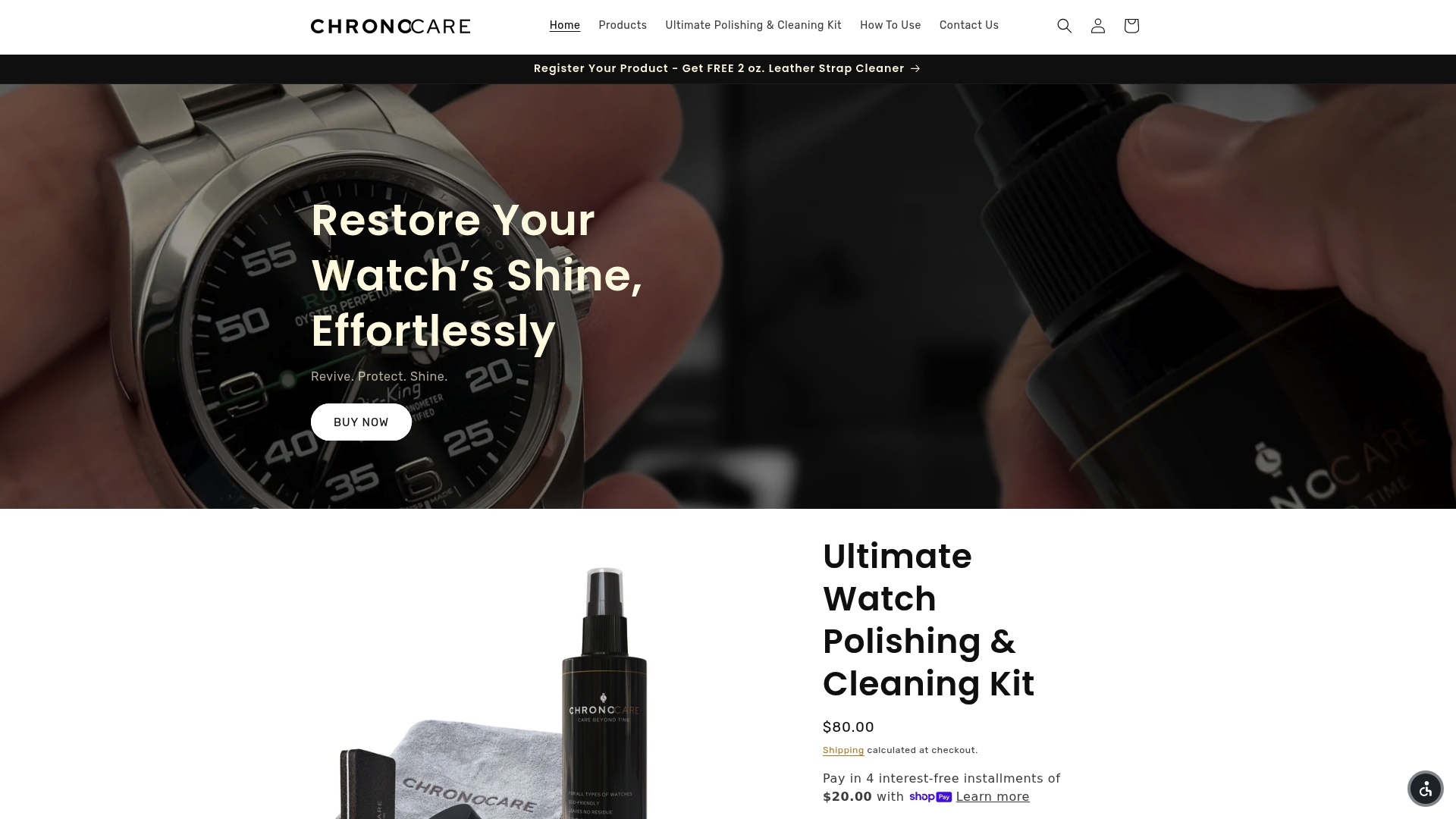
For readers dealing only with faint scuffs rather than deeper buildup, our standalone Watch Polishing Cream restores shine without the full kit. Each product is formulated for the finishes collectors care about most, and every order ships with guidance on applying it the way we describe above.
FAQ
How do I clean the case of my watch?
Wipe the case dry with a microfiber cloth first, then use a soft-bristled toothbrush with one drop of mild soap in water to clean crevices around the lugs and caseback. Dry thoroughly before closing the crown or reattaching the strap, and avoid soaking the watch or running it under a tap.
Can you use Dawn dish soap to clean a watch?
A small amount, about one drop in a bowl of water, is commonly used by collectors for routine cleaning of water-resistant metal watches with the crown closed. Rinse with a damp cloth rather than running water, and skip this method entirely on vintage pieces with uncertain seals.
Is rubbing alcohol good for cleaning watches?
Isopropyl alcohol can help remove greasy residue on metal surfaces, but it should be used sparingly and tested on a small area first. Keep it away from rubber gaskets and seals, since alcohol can dry them out and lead to cracking over time.
How do I polish scratches out of a watch case?
For very light surface marks, apply a polishing cream with a soft cloth, following the metal’s existing grain direction and avoiding edges or engraved text. Deeper scratches remove case material when polished, which can round edges and reduce value, so those are best left to a professional watchmaker.
Sources
- Watch water resistance: what each rating lets you do | Chrono24 Magazine
- Watch care recommendations | Patek Philippe
- BSJ9SCCH-2606 (Grand Seiko care instructions PDF)
- How to clean your watch | Hodinkee