

Watch Servicing Interval: What Every Owner Should Know
A watch servicing interval is the defined timeframe between professional maintenance visits needed to preserve a timepiece’s accuracy, mechanical integrity, and long-term value. The standard guidance places mechanical watches at 3–7 years between full services, while quartz watches typically need attention every 4–5 years, often tied to battery replacement. Modern calibers with stable performance may run reliably for 8–10 years before requiring a full overhaul. The critical point most owners miss: the calendar is a starting point, not a rule. Your watch’s behavior tells you more than any fixed schedule ever will.
What is watch servicing interval, and what drives it?
A watch servicing interval is not a single universal number. It is a flexible window shaped by movement type, how you wear the watch, and what conditions it faces daily. Understanding those variables lets you build a watch maintenance schedule that actually fits your timepiece rather than a generic recommendation.
Movement type sets the baseline. Mechanical movements, both manual and automatic, rely on dozens of tiny gears, springs, and jewels bathed in lubricant. That lubricant degrades over time regardless of how the watch performs on the surface. Quartz movements are simpler and more forgiving, but their seals and battery contacts still need periodic attention.
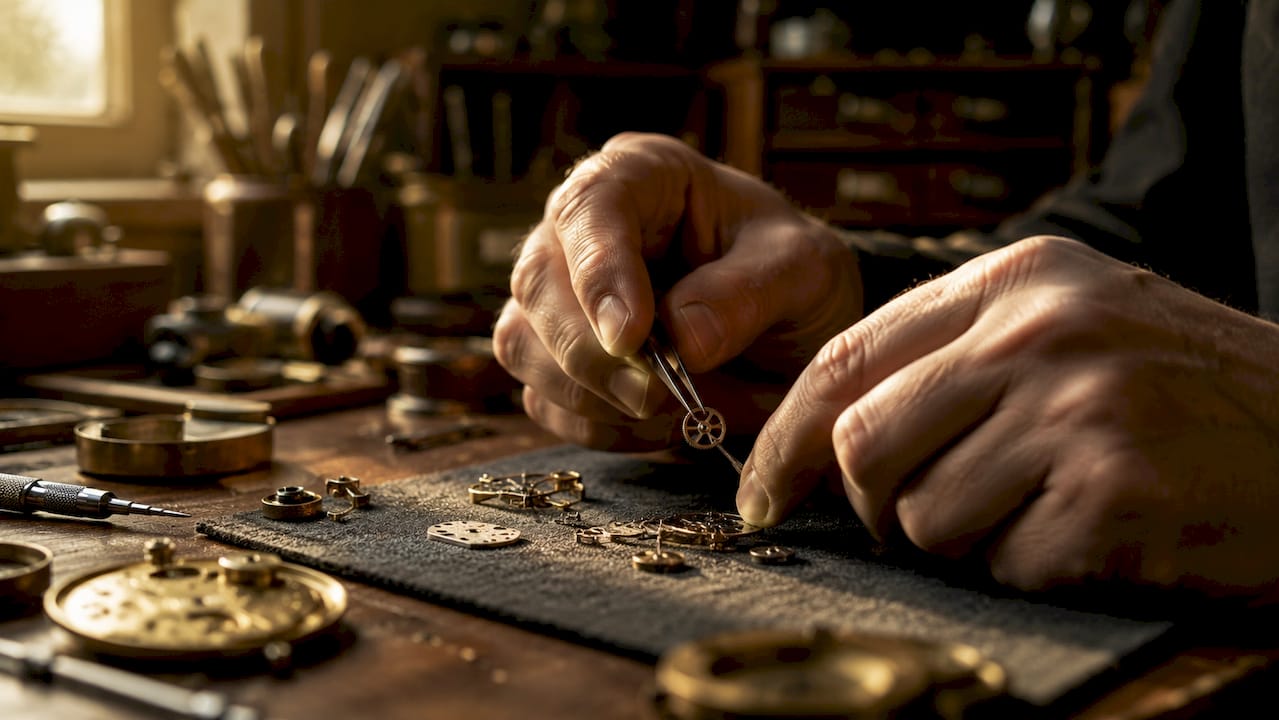
Service frequency correlates directly with use intensity. A watch worn daily during outdoor work, sports, or travel faces far more stress than one worn occasionally to dinner. Sweat, salt air, and temperature swings accelerate wear on gaskets, lubricants, and case seals. That means your personal wear pattern matters as much as the manufacturer’s published interval.
Complications add another layer of complexity. A watch with a perpetual calendar, tourbillon, or chronograph contains significantly more moving parts than a simple three-hand movement. More parts mean more friction points, more lubricant requirements, and shorter practical intervals between services.
Key factors that shape your personal servicing frequency:
- Movement type: Mechanical movements need more frequent lubrication than quartz
- Daily wear vs. occasional use: Daily wear in active conditions shortens intervals noticeably
- Environmental exposure: Moisture, sweat, UV light, and dust degrade seals and lubricants faster
- Complications: Watches with added functions require more frequent professional attention
- Age of the watch: Older movements with worn tolerances may need service sooner than newer ones
Pro Tip: Keep a simple log of when you wear your watch and in what conditions. After a year, you will have real data to share with your watchmaker rather than guessing.
What are the signs your watch needs service sooner?
Symptom-based servicing is the most reliable method for protecting your watch. These warning signs override recommended intervals regardless of when the watch was last serviced. Catching them early prevents minor wear from becoming expensive damage.
- Timekeeping drift. A mechanical watch gaining or losing more than its rated tolerance per day signals that regulation or lubrication has failed. Quartz watches drifting by more than a few seconds per month point to battery or circuit issues.
- Weak or collapsed power reserve. If a fully wound automatic or manual watch stops running well before its rated power reserve, the mainspring or keyless works may need attention.
- Rough or gritty winding feel. Smooth winding is the normal baseline. Any grinding, clicking, or resistance during crown operation indicates worn parts or dried lubricant in the keyless works.
- Moisture or condensation under the crystal. This is an urgent sign. Water inside the case reaches the movement and causes corrosion within hours. Gaskets deteriorate due to sweat, UV exposure, and environmental stress, even on watches never submerged.
- Sudden changes in winding or setting feel. A crown that feels loose, spins without engaging, or requires unusual force points to stem or setting mechanism wear.
Waiting until a watch stops running is the most expensive servicing decision you can make. Internal corrosion and worn pivots caused by delayed service often cost more to repair than a timely overhaul would have.
Spotting these symptoms early is a skill worth developing. The 7 signs your watch needs professional cleaning guide from ChronoCare covers additional visual and tactile indicators that signal it is time to act.
What does a typical watch service involve?
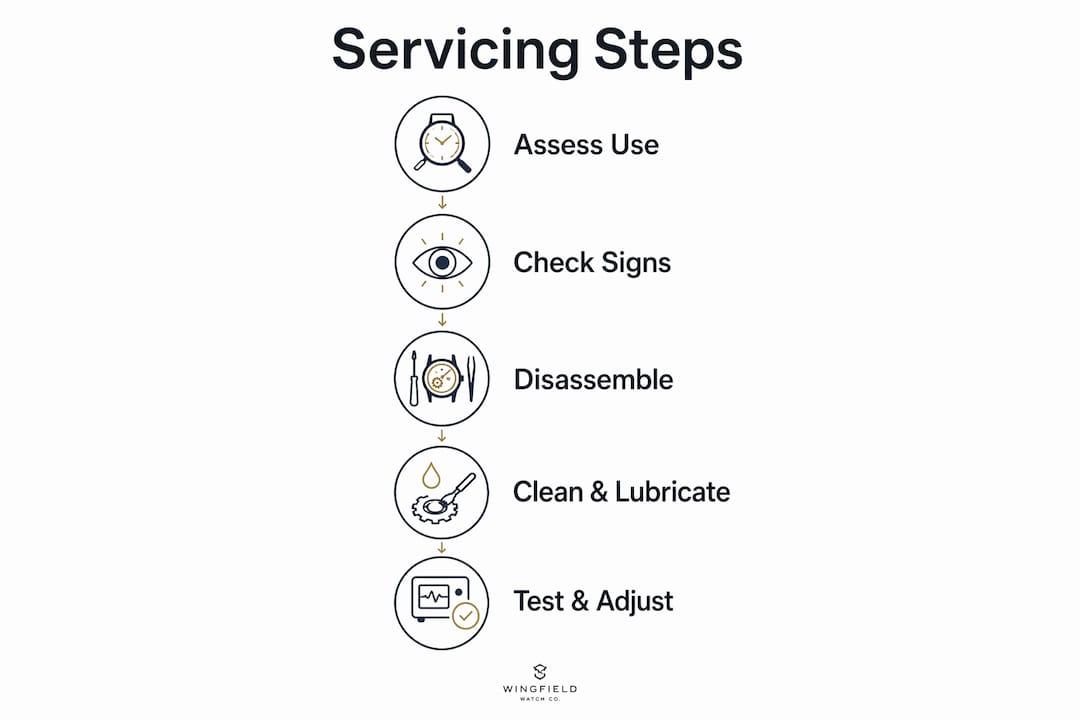
A full service includes disassembly, cleaning, lubrication, regulation, and water resistance testing. Not every visit requires a complete overhaul. A quick service, which covers re-oiling and regulation, can extend the gap between full overhauls when the movement is otherwise in good condition.
What happens during a full overhaul
The watchmaker disassembles the movement completely, inspecting every component under magnification. Parts are cleaned ultrasonically or with specialized solvents to remove old lubricant and debris. New lubricants are applied to specific points according to the manufacturer’s specifications. The movement is then regulated for accuracy, reassembled, and tested for timing performance across multiple positions.
Turnaround times and what to expect
Service turnaround ranges from 2 weeks to 6 months depending on where you send the watch. Independent watchmakers typically complete work in 2–8 weeks. Manufacturer-authorized service centers often take 4–6 months, particularly for complicated movements or when rare parts need to be sourced. That timeline difference matters when you are planning around a watch you wear regularly.
| Service type | Typical turnaround | Best suited for |
|---|---|---|
| Quick service (re-oil, regulate) | 1–3 weeks | Watches in good condition, minor drift |
| Full overhaul (independent) | 2–8 weeks | Most mechanical watches needing service |
| Full overhaul (manufacturer) | 4–6 months | Complicated movements, warranty work |
| Complication service | Varies widely | Tourbillons, perpetual calendars, chronographs |
Polishing and case aesthetics
Aggressive polishing erodes case geometry and collector value. Sharp lugs, brushed surfaces, and beveled edges are defining features of many luxury watches. Once polished away, they cannot be restored. Always specify your cosmetic preferences in writing before leaving a watch for service. If you want the case left untouched, say so clearly.
Pro Tip: Take dated photographs of your watch from multiple angles before sending it for service. This gives you a reference point if any cosmetic work is done without your approval.
How do you build a watch maintenance schedule that lasts?
A sound watch maintenance schedule treats servicing as a health check rather than a calendar obligation. Proactive servicing prevents expensive reactive repairs by catching lubricant degradation and worn components before they cause secondary damage. The goal is to service when the watch needs it, not simply when a round number of years has passed.
Practical steps for building your schedule:
- Set a flexible baseline. Use the 3–7 year guideline for mechanical watches as a starting window, then adjust based on wear frequency and environment.
- Test water resistance every 1–2 years. Water resistance maintenance is independent of movement health. Pressure testing is inexpensive and catches gasket failure before moisture reaches the movement.
- Monitor performance actively. Check your watch against a reference time source monthly. Increasing drift is an early signal worth noting.
- Avoid over-servicing. Unnecessary full overhauls introduce risk. Every disassembly is an opportunity for human error. Service when the watch signals a need, not on a rigid annual schedule.
- Communicate clearly with your watchmaker. State your preferences on polishing, part replacement, and budget before work begins. A good watchmaker will document the condition they found and what they did.
For collectors managing multiple pieces, a luxury timepiece maintenance checklist helps track each watch’s service history, water resistance status, and next recommended check. Between professional visits, consistent at-home care keeps the case, crystal, and strap in good condition and reduces the cosmetic work needed at service time. ChronoCare’s watch care between services guide covers the practical routines that protect your watch day to day.
Key Takeaways
A watch servicing interval is a flexible window, not a fixed deadline, and the best schedule combines manufacturer guidelines with active monitoring of your watch’s performance and condition.
| Point | Details |
|---|---|
| Standard intervals vary by type | Mechanical watches need service every 3–7 years; quartz watches every 4–5 years. |
| Symptoms override the calendar | Drift, rough winding, or moisture under the crystal require immediate service regardless of last service date. |
| Turnaround times differ widely | Independent watchmakers finish in 2–8 weeks; manufacturer centers often take 4–6 months. |
| Water resistance needs separate attention | Pressure test every 1–2 years since gasket wear happens independently of movement health. |
| Polishing requires explicit instructions | Always specify cosmetic preferences in writing to protect case geometry and collector value. |
Why I think rigid service schedules miss the point
The watch industry has conditioned owners to think in fixed intervals, and I understand why. A clear number is easier to communicate than “watch for these symptoms.” But in practice, the 5-year rule has sent perfectly healthy watches into unnecessary overhauls and, more dangerously, kept deteriorating ones on the wrist because the calendar said there was still time.
The real issue is lubricant degradation. Even a watch keeping perfect time can suffer internal wear from dried or oxidized lubricant. The damage is invisible until a pivot seizes or a jewel cracks. By then, a straightforward service has become a parts replacement job. That is the scenario proactive servicing exists to prevent.
Water resistance is the other piece most owners underestimate. A watch rated to 100 meters can fail at 10 meters if its gaskets have not been tested in three years. Sweat alone degrades rubber seals. The fix is a $20–$30 pressure test, not a full service. Skipping it is a false economy.
My honest advice: treat your watch the way a pilot treats an aircraft. You do not wait for the engine to sputter before checking the oil. You build a habit of observation, document what you see, and act on early signals. That mindset, more than any fixed interval, is what keeps a watch running for generations.
— Raymond Jenkins
ChronoCare’s role in your between-service routine
Professional servicing handles the internal work, but the months between visits are where daily care makes a real difference. Keeping the case clean, the crystal clear, and the metal surfaces protected reduces the cosmetic restoration needed at each service.
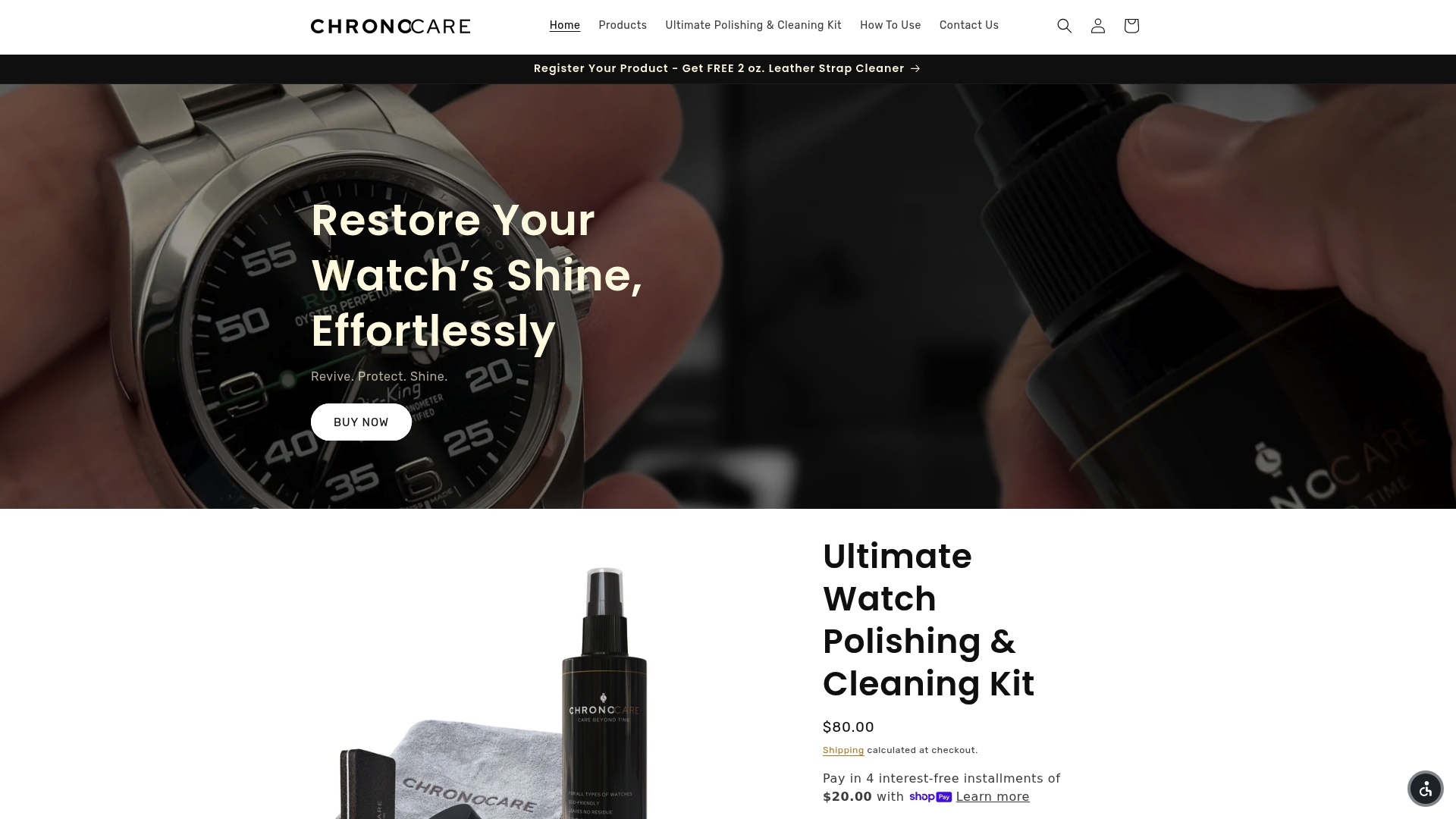
ChronoCare’s Ultimate Watch Cleaning Kit is formulated specifically for luxury timepieces, removing grime, sweat residue, and surface buildup without damaging seals or finishes. For watches showing light surface scratches, the Watch Polishing Cream restores metal surfaces safely between professional visits. Both products are developed in the US and designed for collectors who treat maintenance as part of ownership, not an afterthought.
FAQ
What is the standard watch servicing interval?
The standard interval is 3–7 years for mechanical watches and 4–5 years for quartz watches. Modern calibers with stable performance may extend reliably to 8–10 years if no symptoms appear.
How do I know when to service my watch before the interval ends?
Timekeeping drift, rough winding, a collapsed power reserve, or visible moisture under the crystal all signal that your watch needs service immediately, regardless of when it was last serviced.
Does a quartz watch need the same servicing as a mechanical watch?
Quartz watches are simpler and need less frequent service, but they still require gasket checks, battery replacement every 4–5 years, and periodic water resistance testing to stay protected.
How often should I test my watch’s water resistance?
Pressure testing every 1–2 years is the recommended practice. Gaskets degrade from sweat, UV exposure, and temperature changes independently of the movement’s condition.
Should I always ask for polishing during a service?
No. Specifying cosmetic preferences before service is critical. Aggressive polishing removes case sharpness and reduces collector value permanently. If you want the case left as-is, state that clearly in writing before the watch leaves your hands.