

Luxury Watch After-Sale Service Best Practices
Luxury watch after-sale service best practices are defined as the scheduled, preventive maintenance routines and professional servicing standards that preserve a timepiece’s performance, accuracy, and market value over time. The industry term for this discipline is watch servicing, and it covers everything from daily owner care to full factory overhauls. Brands like Patek Philippe and Rolex have built their reputations partly on the rigor of their authorized service networks. Treating service as a proactive investment rather than a last resort is what separates collectors who protect their assets from those who face avoidable repair bills.
1. What are the key components of a luxury watch after-sale service routine?
A strong after-sale service routine combines daily owner habits with scheduled professional checkups. Neither alone is sufficient. The daily habits reduce wear and contamination. The professional checkups catch what you cannot see.
Daily and weekly care habits to build:
- Wipe the case and bracelet with a lint-free microfiber cloth after each wear to remove oils, sweat, and dust
- Store watches away from magnets, direct sunlight, and humidity above 55%
- Confirm the crown is fully screwed down on water-resistant models before any exposure to moisture
- Rinse the watch under fresh water after salt or chlorine exposure to prevent gasket degradation
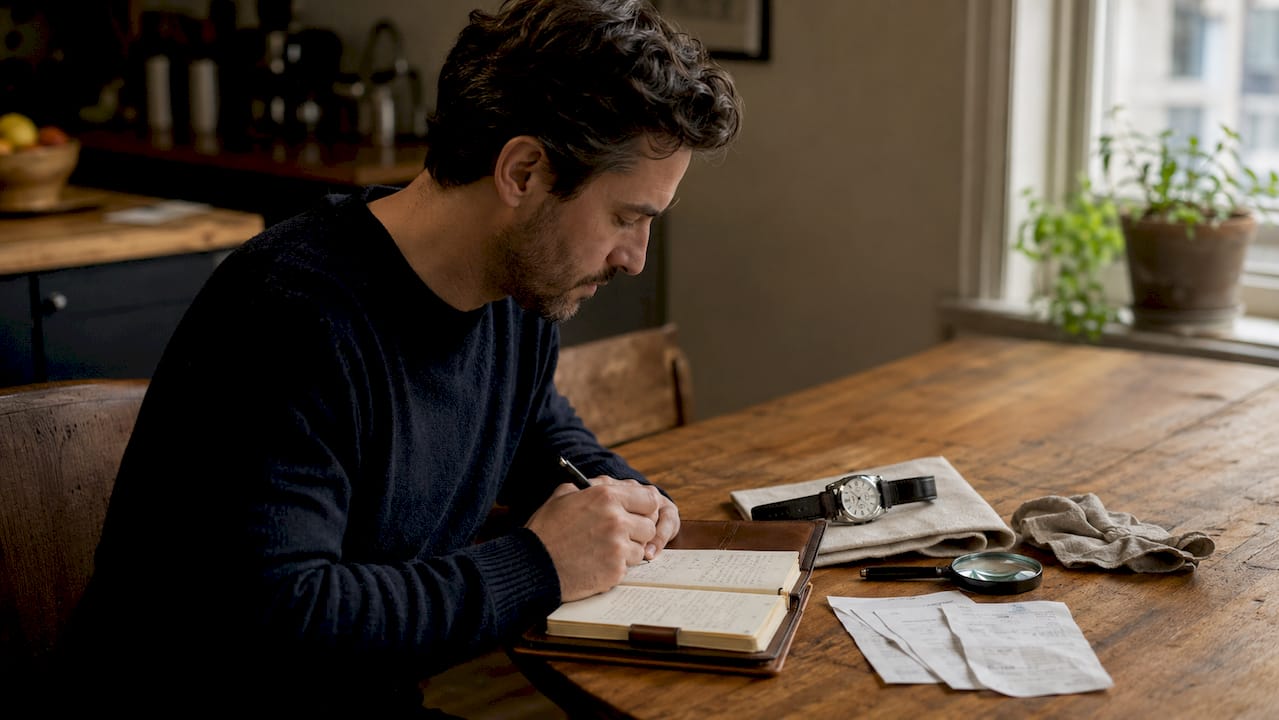
- Keep a written or digital service log recording every cleaning, service, and repair with dates and costs
That service log is more valuable than most owners realize. Documented service history directly supports warranty claims and can increase resale value significantly. Buyers pay a premium for proof of proper care.
Pro Tip: Use a watch winder only for timepieces with complex complications like perpetual calendars or moon phases. Continuous 24/7 winder use on a standard automatic causes unnecessary rotor and mainspring wear. Manual winding or simply wearing the watch is better for movement longevity.
2. How to recognize signs your luxury watch needs professional servicing immediately
Certain warning signs require professional attention right away. Waiting even a few weeks after these appear can turn a moderate service bill into a major repair.
Red flags that demand immediate action:
- Moisture, fogging, or condensation visible under the crystal
- Timing deviations greater than ±5–10 seconds per day on a mechanical movement
- A gritty, stiff, or grinding sensation when winding the crown
- Audible rattling from inside the case
- Sudden power loss on an automatic that has been worn regularly
Each of these signals points to a specific internal problem. Moisture under the crystal means a gasket has failed. Timing deviations beyond the normal range indicate lubricant breakdown or a damaged escapement. Rattling suggests a loose component that can cause cascading damage if left unaddressed.
The financial logic is straightforward. Lubricants inside mechanical movements degrade invisibly over 3–7 years, increasing friction and wear even when timekeeping still appears accurate. Catching this early costs far less than replacing worn gear trains or jewels.
Pro Tip: Schedule a professional diagnostic inspection every two years even when the watch seems fine. Subtle issues like micro-corrosion on movement parts or early gasket compression are invisible to the owner but detectable by a trained watchmaker.
3. What should you expect from a professional luxury watch service?
A full professional overhaul is a precise, multi-stage process. Understanding what it includes helps you evaluate whether a service center is delivering real value or cutting corners.
What a complete overhaul covers:
- Full disassembly of the movement, case, and bracelet
- Ultrasonic cleaning of all components
- Replacement of worn gaskets and seals
- Fresh lubrication of every friction point with manufacturer-specified oils
- Regulation and timing adjustment to factory tolerances
- Pressure testing to verify water resistance
- Final quality control timing tests across multiple positions
Service intervals vary by brand and caliber. Rolex recommends servicing every 7–10 years for modern calibers. Patek Philippe advises every 3–5 years. Audemars Piguet suggests every 5–7 years. Quartz models need battery changes every 1–2 years and a full service every 4–5 years.
Cost is a real consideration. A standard luxury mechanical service runs $800–$1,500. Complex movements with tourbillons or minute repeaters can reach $2,000–$5,000 or more. Turnaround times typically run 4–8 weeks at authorized centers, with some independent specialists completing work faster.
| Brand | Recommended service interval | Typical service cost range |
|---|---|---|
| Rolex | 7–10 years | $800–$1,200 |
| Patek Philippe | 3–5 years | $1,200–$3,000+ |
| Audemars Piguet | 5–7 years | $1,000–$2,500+ |
| Quartz models | 4–5 years (full service) | $300–$800 |
Factory-authorized service centers using genuine manufacturer parts are the standard for retaining long-term value. Third-party parts may fit mechanically but often void warranties and reduce collector appeal.
4. Common after-sale service mistakes luxury watch owners make
The most expensive mistakes in watch ownership are not accidents. They are habits that seem harmless until the damage is done.
Mistakes that cost owners money and value:
- Over-polishing the case. Polishing removes microscopic metal layers each time it is done, softening sharp edges and rounding lugs permanently. A Rolex Submariner or Audemars Piguet Royal Oak with softened case edges loses significant collector value. Light scratches are natural and expected on a worn watch. Polish only when necessary and only through a professional.
- Confusing repair with service. Many owners mistake “repair” for “service”, treating a watch only when something breaks. A full service is a comprehensive overhaul. A repair fixes one broken part. Skipping service intervals because the watch “still works” leads to compounding internal wear that eventually requires far more expensive repairs.
- Running a watch winder 24/7. Standard automatics do not need constant motion. Running a winder around the clock stresses the rotor bearing and mainspring unnecessarily. Reserve winders for watches with complications that are difficult to reset manually.
- Choosing a service provider based on price alone. The cheapest quote rarely includes genuine parts, proper timing tests, or pressure verification. A low-cost service that uses non-OEM lubricants or skips gasket replacement creates problems within 12–18 months.
Pro Tip: Before authorizing any service, ask the provider for a written diagnostic report and itemized cost breakdown. Transparent communication is the clearest indicator of a trustworthy service center. If a shop cannot explain what they found and what they plan to do, walk away.
5. How to select the best service provider and protect your investment
Choosing the right service provider is as important as the service itself. A poor overhaul can leave a watch in worse condition than before it was opened.
Criteria for evaluating a service center:
- Manufacturer authorization or certified watchmaker credentials (WOSTEP, BHI, or equivalent)
- Confirmed use of genuine OEM parts and manufacturer-specified lubricants
- Written warranty on service work, typically 12–24 months
- Willingness to provide a full diagnostic report before any work begins
- Clear, itemized pricing with no hidden fees
For vintage or complicated watches, the stakes are higher. A vintage Patek Philippe Calatrava or an IWC Portugieser with a rattrapante complication requires a specialist, not a generalist. Always ask specifically about the watchmaker’s experience with your reference number.
Service documentation protects your investment in two concrete ways. First, it supports warranty claims if a problem arises after service. Second, watches without documented service histories often lose 20%–50% of their resale value compared to identical models with complete records. Keep every receipt, report, and correspondence in a dedicated folder alongside the original box and papers.
A useful resource for building your maintenance checklist is ChronoCare’s collector guide, which covers daily cleaning steps and storage recommendations in practical detail.
Key takeaways
The most effective luxury watch after-sale service strategy combines preventive professional overhauls at brand-recommended intervals with consistent daily owner care and thorough service documentation.
| Point | Details |
|---|---|
| Service is preventive, not reactive | Schedule overhauls by brand interval, not by waiting for the watch to fail. |
| Daily care reduces long-term costs | Wiping, proper storage, and crown discipline prevent moisture and dirt damage between services. |
| Red flags demand immediate action | Moisture under the crystal, timing drift, and rattling require same-week professional assessment. |
| Authorized centers protect value | Genuine parts and factory-certified service preserve warranty coverage and resale price. |
| Documentation is a financial asset | Complete service records can protect 20%–50% of a watch’s resale value. |
What I’ve learned after years of watching owners get this wrong
The most common mistake I see is not neglect. It is misplaced confidence. Owners of Rolex Daytonas and Patek Philippe Nautiluses assume that because the watch keeps perfect time, nothing needs attention. That assumption is exactly how a $500 service becomes a $3,000 movement rebuild.
Lubricants degrade on a chemical timeline, not a performance timeline. A movement can run accurately for years on degraded oil while microscopic wear accumulates on every friction surface. By the time you notice a timing problem, the damage is already done. The watch industry has improved lubricant technology significantly over the past decade, with synthetic oils now lasting longer in modern calibers. That is why Rolex extended its service recommendation to 7–10 years. But “longer lasting” does not mean “indefinite.”
I also think the polishing conversation is badly misunderstood. Most owners either polish too often or not at all. The right answer is almost never. A few honest scratches on a Royal Oak or a Submariner tell a story. They show the watch was worn and lived in. Aggressive polishing to restore a “like new” look removes metal permanently and signals to any serious collector that the watch has been over-maintained. ChronoCare’s polishing cream is designed for targeted, minimal touch-ups, not full case refinishing. That distinction matters.
The owners who get the best long-term outcomes treat their watches the way a serious car collector treats a vintage Ferrari. They follow the service schedule, use the right products, keep every receipt, and resist the urge to tinker. That discipline is what keeps a watch performing and appreciating for decades.
— Raymond Jenkins
Build your at-home care routine with ChronoCare
Professional servicing handles the internal work, but daily care is your responsibility between those visits. ChronoCare formulates its products specifically for luxury timepiece owners who want professional-level results at home.
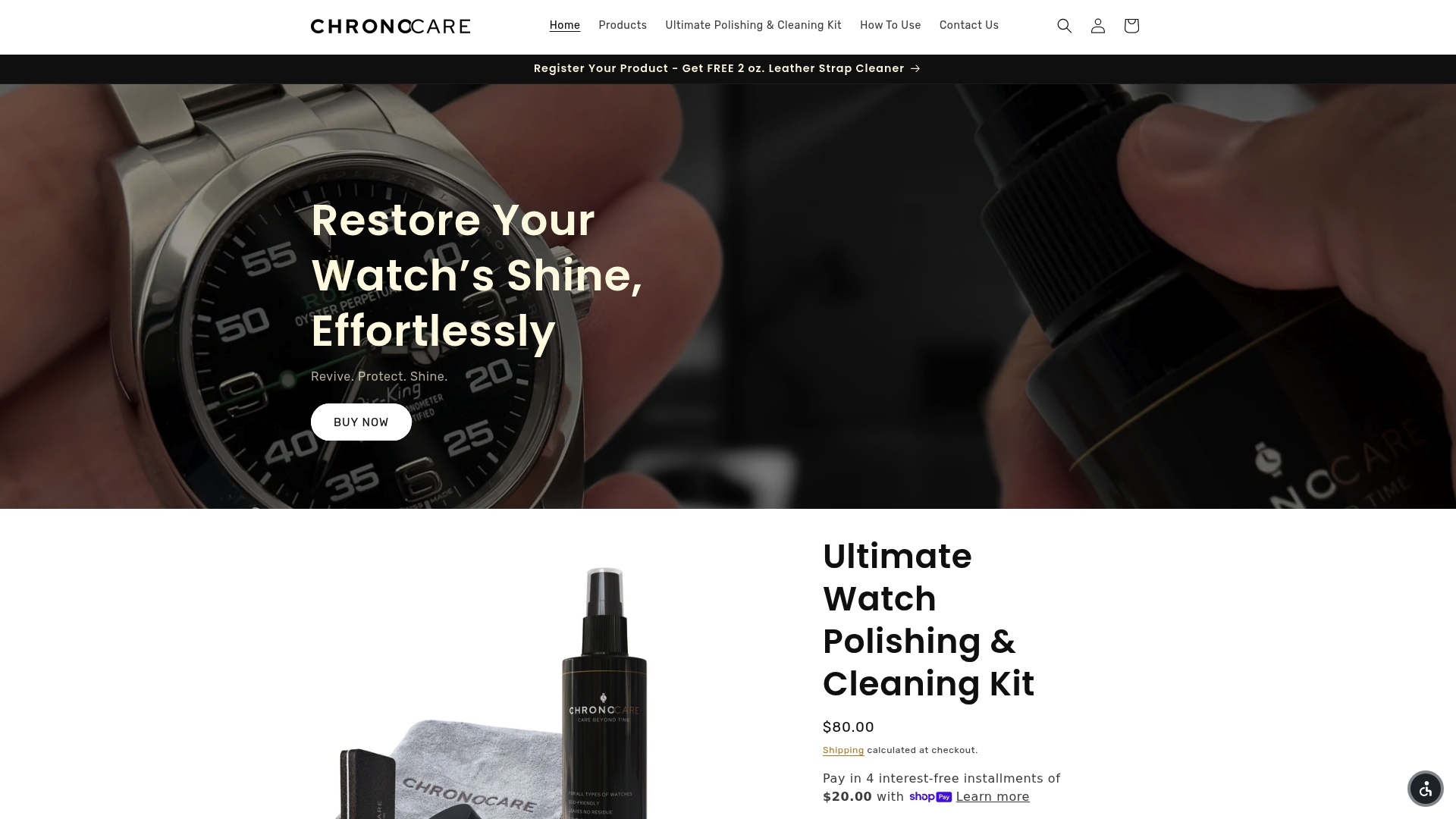
The Ultimate Watch Cleaning Kit gives you everything needed for consistent case and bracelet maintenance, including the microfiber cloths and cleaning solution that protect metal and crystal surfaces without abrasion. For occasional refinishing of light surface scratches, the Ultimate Watch Polishing & Cleaning Kit delivers controlled, professional-quality results. Both kits are formulated in the US and designed to complement, not replace, your authorized service schedule.
FAQ
How often should a luxury mechanical watch be serviced?
Most modern mechanical luxury watches need a full professional overhaul every 5–7 years, though brands like Rolex extend this to 7–10 years for newer calibers. Quartz models require battery changes every 1–2 years and a full service every 4–5 years.
What are the warning signs a watch needs immediate service?
Moisture under the crystal, timing deviations greater than ±5–10 seconds per day, a gritty winding feel, audible rattling, or sudden power loss all require immediate professional assessment. Delaying action after these signs appear typically increases repair costs significantly.
Does polishing a luxury watch reduce its value?
Yes. Polishing removes microscopic layers of metal each time, permanently softening case edges and altering original proportions. Collector-grade watches like the Audemars Piguet Royal Oak or Rolex Daytona lose measurable market value when over-polished.
Why does service documentation matter for resale?
Watches without complete service records often sell for 20%–50% less than identical models with full documentation. Buyers use service history to verify proper maintenance and assess long-term reliability before purchasing.
Should I use a watch winder for my automatic watch?
Watch winders are recommended only for automatics with complex complications that are difficult to reset manually, such as perpetual calendars. For standard automatics, manual winding or regular wearing is better for movement longevity and reduces unnecessary rotor wear.