

Showroom Watch Display Cleaning Checklist for Retailers
A showroom watch display cleaning checklist is a structured maintenance protocol that covers daily, weekly, and material-specific procedures to keep luxury showcases in pristine condition. Dirty glass, dusty shelves, and smudged handles do not just look bad. They signal to customers that the watches inside may not be cared for either. This guide gives retailers and showroom managers a practical, step-by-step framework built on 2026 retail display maintenance standards, ChronoCare product expertise, and proven techniques for preserving both the showcase and the timepieces inside it.
1. What are the essential daily cleaning tasks for showroom watch displays?
Daily cleaning is the foundation of any effective watch display care checklist. Without it, fingerprints, dust, and skin oils accumulate fast, especially on glass surfaces and metal handles that customers touch throughout the day.
Daily dust removal starts before the store opens. Use a dry microfiber cloth to wipe down all glass panels, shelves, and interior corners. Microfiber cloths trap dust and oils without scratching, making them the correct tool for glass and acrylic surfaces. Pair them with a nonabrasive, surface-specific cleaner for best results.
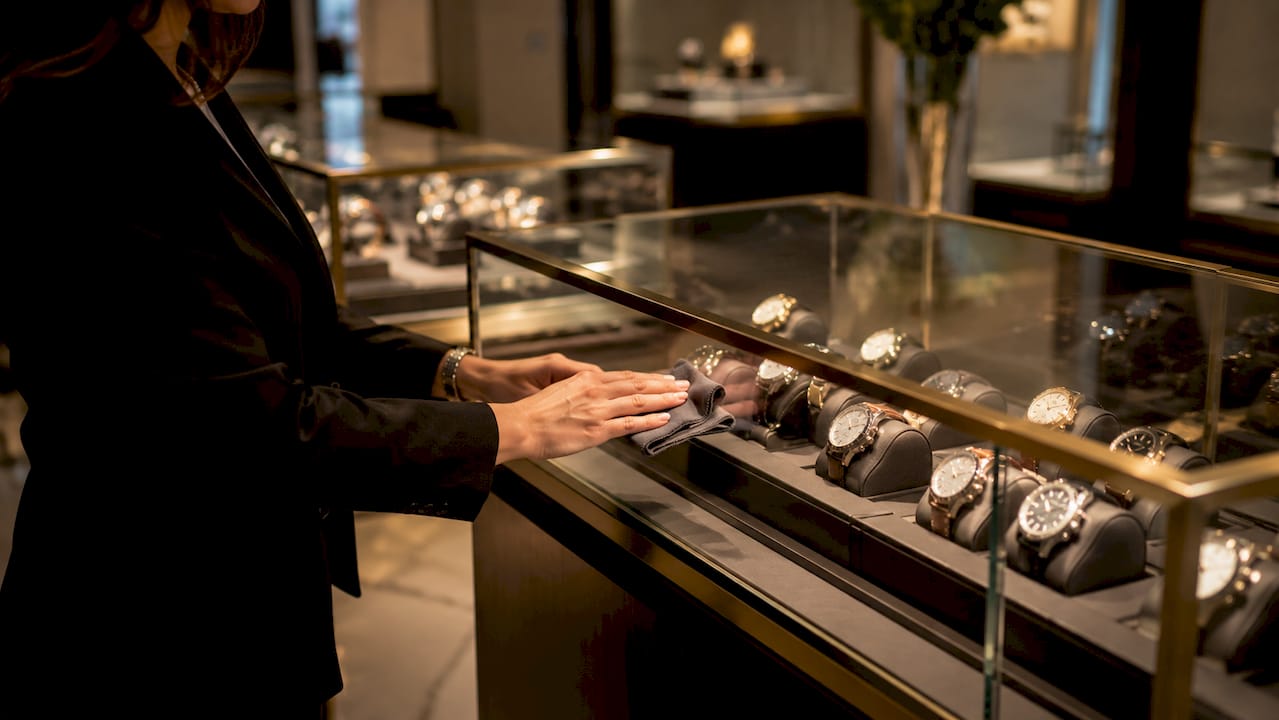
Fingerprint and smudge removal requires a slightly different approach. Apply an ammonia-free glass cleaner to your microfiber cloth first, then wipe the glass in straight, overlapping strokes. Never spray cleaner directly onto the display glass. Overspray reaches wood frames, metal edges, and internal electrical components, causing damage that is expensive to fix.
Sanitizing high-touch points rounds out the daily routine. Door handles, lock pulls, and display edges collect bacteria and grime from repeated customer contact. A quick wipe with a mild disinfectant solution on a cloth keeps these areas hygienic without saturating the surface.
Key daily tasks at a glance:
- Dry-dust all glass panels, shelves, and interior corners with a microfiber cloth
- Remove fingerprints from glass using an ammonia-free cleaner applied to the cloth first
- Wipe down handles, lock pulls, and edges with a mild disinfectant
- Check for visible smudges or debris on display pads and upholstery
- Spot clean during store hours to maintain appearance during peak traffic periods
Pro Tip: Keep a dedicated microfiber cloth and a small spray bottle of ammonia-free cleaner at the display station so staff can address smudges in under 60 seconds without leaving the floor.
2. Which weekly deep cleaning procedures ensure long-term display quality?
Weekly deep cleaning goes beyond surface maintenance. It addresses hidden grime, lighting performance, and structural integrity, all of which affect the long-term condition of your showcase.
The correct sequence matters. Follow these steps each week:
- Remove all merchandise. Take every watch out of the display before cleaning. This gives you full access to interior corners, shelf edges, and display pads without risking damage to the timepieces.
- Clean interior shelves and panels. Use a slightly damp microfiber cloth with a mild soap solution to wipe down interior surfaces. Dry immediately with a second cloth to prevent moisture from settling into joints or wood panels.
- Polish glass surfaces. Apply an ammonia-free glass cleaner to the exterior panels and buff in straight strokes to eliminate streaks. A circular motion leaves swirl marks on glass, so always work in one direction.
- Inspect and clean lighting components. Lighting must be checked weekly for performance and cleanliness. Dim or flickering bulbs reduce product visibility and undermine the premium feel of the display. Wipe light covers with a dry cloth to clear dust buildup.
- Check locks, hinges, and structural integrity. Displays should be inspected regularly for loose panels, cracked glass, and worn locking mechanisms. Catching these issues early prevents merchandise loss and safety hazards.
- Clean and replace display pads. Velvet or leather display pads collect lint, dust, and skin oils. Brush them with a soft bristle brush or use a lint roller, and replace any pads showing visible wear or staining.
- Reassemble and restock. Return watches to the display only after every surface is fully dry. Moisture trapped under a watch case can damage the case back and the display pad simultaneously.
Pro Tip: Schedule weekly deep cleaning for Monday mornings before the store opens. Weekend traffic generates the most fingerprints and debris, so Monday is the highest-impact time to reset the display.
3. How should different materials in watch displays be cleaned properly?
Different materials require specific cleaning methods to avoid damage and preserve appearance. A single cleaning product applied across all surfaces is one of the most common mistakes in showroom maintenance.
Glass is the most visible surface in any showcase. Use only ammonia-free, nonabrasive glass cleaners. Ammonia degrades anti-reflective coatings over time and can cloud tempered glass edges. Apply the cleaner to a microfiber cloth, never directly to the glass, and wipe in straight lines.
Wood surfaces require the most caution around moisture. Excessive water causes warping, swelling, and eventually mold growth inside the cabinet structure. Use a dry or very slightly damp cloth for routine wiping, and apply a wood-specific polish sparingly to maintain the finish. Avoid excessive moisture on wood or upholstery at all times.
Metal components such as frames, hinges, and trim pieces respond well to mild soap solutions applied with a soft cloth. Avoid acidic or abrasive products. Acidic cleaners corrode metal finishes, and abrasive pads leave permanent scratches that catch light and look unprofessional.
Acrylic and upholstery need the gentlest approach. Acrylic scratches more easily than glass, so use only microfiber and a cleaner labeled safe for plastics. For upholstered display pads, a lint roller or soft brush removes debris without pulling fibers or compressing the padding.
| Surface | Recommended cleaner | Tool | What to avoid |
|---|---|---|---|
| Glass | Ammonia-free glass cleaner | Microfiber cloth | Ammonia, abrasive pads |
| Wood | Mild soap, wood polish | Dry or slightly damp cloth | Excess moisture, all-purpose sprays |
| Metal | Mild soap solution | Soft cloth | Acidic or abrasive products |
| Acrylic | Plastic-safe cleaner | Microfiber cloth | Paper towels, rough cloths |
| Upholstery | None (dry method) | Lint roller, soft brush | Water, liquid cleaners |
4. What are critical watch display maintenance tips to prevent damage?
Preventive maintenance protects both the showcase and the watches inside it. Most display damage comes from small, repeated errors in cleaning technique, not from single incidents.
The most important rule in any display cleaning procedure is to keep liquid away from electrical components and frame joints. Applying cleaner to the cloth first rather than the surface directly is the single most effective way to prevent overspray damage. This applies to every surface, every time.
Dust and debris settle into crevices and under watch components faster than most retailers expect. Anti-static brushes and micro-vacuuming are critical tools for professional display cleaning in tight corners and under display risers. A standard cloth cannot reach these areas without pushing debris further in.
Rotating displayed watches regularly prevents uneven light fading on straps and cases. Watches positioned directly under a spotlight for weeks develop visible color differences on leather straps and can show surface oxidation on metal cases. Rotating stock every two to three weeks keeps every piece looking its best.
Additional preventive steps every retailer should follow:
- Replace dim or flickering bulbs immediately. Poor lighting makes clean displays look dirty and reduces customer engagement.
- Monitor humidity levels inside enclosed showcases. High humidity accelerates leather strap degradation and can cause metal components to tarnish faster.
- Log every cleaning and inspection. A written record helps identify recurring issues and proves due diligence if merchandise damage is ever disputed.
“Prioritizing speed over precision in cleaning leads to micro-scratches on delicate finishes, which degrades luxury status perception. A pristine showcase is as important as the watch itself in maintaining perceived luxury and enhancing the customer’s shopping experience.” Source: MQATAA Watch Showcase Guide
For a broader view of how display hygiene connects to watch boutique cleaning standards, ChronoCare’s editorial resources cover the topic in depth.
Key Takeaways
A structured showroom watch display cleaning checklist, combining daily surface care with weekly deep maintenance and material-specific techniques, is the most reliable way to preserve luxury presentation and protect merchandise value.
| Point | Details |
|---|---|
| Daily cleaning is non-negotiable | Remove fingerprints and dust every day using microfiber cloths and ammonia-free cleaners. |
| Weekly deep cleaning extends display life | Remove all merchandise, clean interior surfaces, inspect lighting, and check structural components every week. |
| Material-specific methods prevent damage | Use the correct cleaner and tool for glass, wood, metal, acrylic, and upholstery to avoid scratches and warping. |
| Apply cleaner to cloth, not the surface | Spraying directly onto displays risks damage to frames, joints, and internal electrical components. |
| Rotate watches and log every session | Regular rotation prevents fading, and written records support accountability and quality control. |
What 15 years of retail display work taught me
The most expensive mistake I see in luxury showrooms is treating display cleaning as a housekeeping task rather than a product presentation task. The showcase is not a container for the watches. It is part of the product experience. When a customer leans in to look at a $10,000 timepiece and sees a smudge on the glass or a dusty corner shelf, the perceived value of that watch drops before they even ask the price.
Speed is the enemy of quality here. I have watched staff wipe down a display in 90 seconds with a dry cloth and call it done. That approach pushes dust into corners, leaves oil residue on glass, and eventually causes micro-scratches that dull the surface. A luxury timepiece maintenance checklist approach, applied to the display itself, is what separates showrooms that retain clients from those that lose them to competitors with cleaner floors.
The structural inspection step is the one most retailers skip. Loose hinges and worn locks are security risks, not just cosmetic issues. I have seen showcases where a hinge had been loose for months before anyone noticed. A weekly check takes three minutes and prevents incidents that take far longer to resolve.
My honest recommendation: build the cleaning routine into the opening and closing procedures, not as an optional add-on but as a required step with a sign-off. When accountability is built into the workflow, consistency follows automatically.
— Raymond Jenkins
ChronoCare products that support showroom display maintenance
Retailers who take display maintenance seriously need products that match the precision of the task.
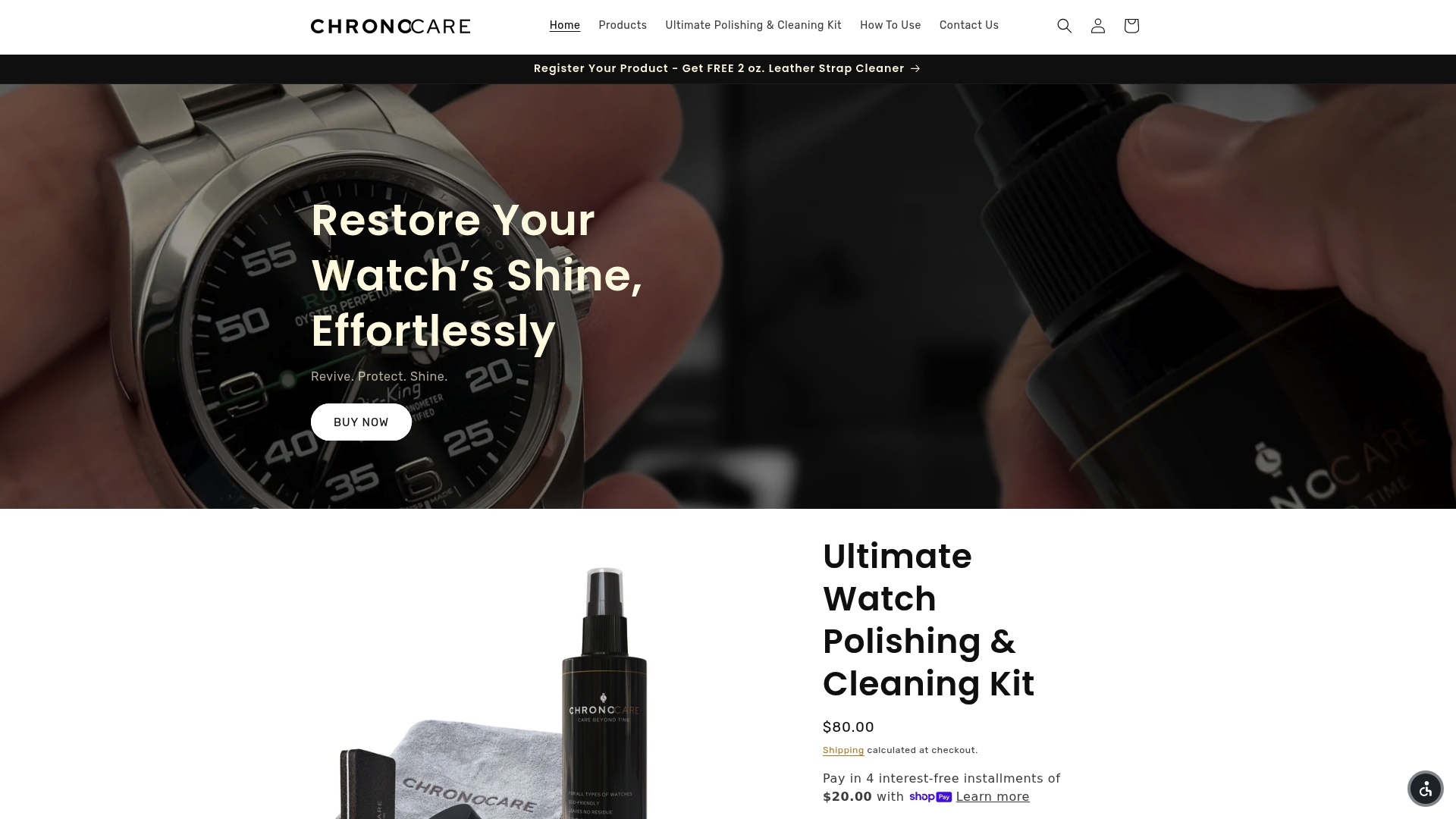
ChronoCare’s Ultimate Watch Cleaning Kit includes microfiber cloths, gentle cleaning solution, and a polishing cloth formulated for delicate watch and display surfaces. The kit is designed for retailers who need professional results without risking damage to high-value merchandise or showcase materials. For showrooms that also need to address surface shine and minor scuffs on metal display components, the Ultimate Watch Polishing & Cleaning Kit adds a polishing cream that restores clarity without abrasives. Both kits are formulated in the US and built for the demands of daily retail use.
FAQ
What should a daily showroom watch display cleaning checklist include?
A daily checklist covers dry-dusting all glass and shelves with a microfiber cloth, removing fingerprints with an ammonia-free cleaner applied to the cloth first, and sanitizing high-touch points like handles and lock pulls. Spot cleaning during store hours maintains appearance through peak traffic periods.
How often should watch display lighting be inspected?
Lighting should be checked weekly. Dim or flickering bulbs reduce product visibility and should be replaced promptly. Light covers also collect dust and need wiping during each weekly deep cleaning session.
What is the safest way to clean glass on a watch showcase?
Apply an ammonia-free glass cleaner to a microfiber cloth and wipe in straight, overlapping strokes. Never spray cleaner directly onto the glass, as overspray damages wood frames, metal edges, and internal electrical components.
Why should displayed watches be rotated regularly?
Rotating watches every two to three weeks prevents uneven light fading on leather straps and surface oxidation on metal cases. This practice preserves each watch’s condition and keeps the display looking consistent across all positions.
How do you clean wood surfaces inside a watch display case?
Use a dry or very slightly damp cloth and a wood-specific polish applied sparingly. Avoid excess moisture at all times, as water causes wood to warp, swell, and eventually develop mold inside the cabinet structure.