

Deep Clean in 4 Steps and When to Recoat: PVD Watch Care with Kit for Collectors
Wipe your PVD watch daily with a soft microfiber cloth, and for light soil, use mild soap and water applied with a damp cloth rather than a soak. Avoid acetone, harsh solvents, and abrasive polishes, since these strip or dull PVD coatings rather than clean them. When scratches reach the base metal, stop experimenting at home and consult a professional about re-coating.
TL;DR:
- If water resistance is unconfirmed, use damp cloths only; for residue, wipe with mild soap, rinse, and dry immediately without soaking.
- Clean bracelet links monthly with lukewarm soapy water for two to three minutes, but keep coated cases and dial assemblies out of ultrasonic cleaners.
- A faint scuff may respond to low abrasion cream, but test it on a hidden spot first; exposed base metal needs professional recoating.
- Wipe daily, clean the bracelet monthly, and inspect every six to 24 months; store the watch in a soft pouch away from other metal objects.
Table of Contents
- Your daily and quick-clean routine for a PVD watch
- Deep cleaning bracelets, links, and case crevices safely
- Dealing with light scratches on a PVD finish
- What damages PVD coatings: chemicals and habits to avoid
- How often to clean a PVD watch and how long the finish lasts
- The ChronoCare collector kit and how we recommend using it
- Balancing preservation against restoring a like-new look
- A safer way to clean your PVD watch at home
- FAQ
- Sources
Your daily and quick-clean routine for a PVD watch
A PVD finish holds up well under normal wear, but sweat, skin oils, and cosmetic residue build up fast and dull the surface if you ignore them. The safest routine is also the simplest one, and it takes under a minute once it becomes habit.
- Remove the watch when you can, since this prevents moisture and soap from pooling under the case back.
- Wipe the case and bracelet with a dry microfiber cloth to lift dust and light grime.
- For visible residue, dampen a cloth with water and a drop of mild dish soap, then wipe gently along the grain of the finish.
- Rinse the cloth and wipe again with clean water to remove soap film, then dry immediately with a fresh cloth.
- For leather or fabric straps, skip water entirely and use a dry brush or a strap-specific cleaner, since moisture weakens stitching and leather fibers over time.
Keep a small kit on hand: a microfiber cloth, a few cotton swabs for crevices around the lugs and clasp, a soft-bristled toothbrush for the bracelet links, and a mild, fragrance-free soap.
Pro Tip: Clean your watch right after exposure to sunscreen, perfume, or hand sanitizer, since these products contain alcohols and oils that sit on PVD surfaces and cause uneven dulling if left overnight.
Deep cleaning bracelets, links, and case crevices safely
Monthly or whenever grime builds up in the bracelet links, a slightly more involved clean clears out what a quick wipe misses. Manual cleaning with mild soap and water remains the safest approach for preserving a PVD finish, since it avoids the mechanical stress that more aggressive methods introduce.
- Mix a small bowl of lukewarm water with a drop of mild dish soap, nothing stronger.
- Soak the bracelet section (removed from the head if possible) for two to three minutes to loosen debris.
- Brush gently along the links with a soft toothbrush, working in the direction of the finish rather than across it.
- Rinse under lukewarm running water and dry thoroughly with a microfiber cloth before reattaching.
Ultrasonic cleaners pose a specific risk to coated parts: the high-frequency vibration can expand micro-cracks in a PVD layer that are invisible to the eye, so a method that is fine for a solid stainless bracelet can be hard on the same bracelet if it carries a coating. If you use an ultrasonic bath at all, limit it to bare metal components removed from the case, run short cycles, and never run the coated case or dial assembly through one.
If your watch is not rated for water resistance, keep it away from soaking altogether and clean the case dry, or hand it to a service center equipped to work around the movement.
Pro Tip: When in doubt about your watch’s water resistance rating, treat it as non-resistant and clean with damp cloths only.
Dealing with light scratches on a PVD finish
Not every mark on a PVD watch means the coating is gone. A light scuff that catches the light differently than the surrounding finish is often just surface-level disturbance in the coating, while a deeper scratch that reveals a different color underneath means the coating itself has worn through to the base metal.
- A faint surface scuff can sometimes be softened with a specialized low-abrasion polishing cream applied sparingly and only after a spot test on an inconspicuous area.
- If the spot test leaves the finish looking uneven or thinner, stop immediately, since further polishing on a damaged coating tends to make the problem worse, not better.
- A scratch that shows bare metal or a different base color underneath cannot be fixed with home polishing and needs professional attention.
- Professional options range from a localized touch-up on small areas to a full strip-and-reapply of the PVD layer, which restores the original finish but requires sending the watch to a specialist.
Home treatments work best as prevention and light upkeep, not as a substitute for re-coating once the base layer is exposed.
What damages PVD coatings: chemicals and habits to avoid
PVD coatings are thin, and the wrong substance or tool removes them faster than normal wear ever would. Acetone, strong solvents, and acid or alkaline cleaners break down the molecular bond between the coating and the metal underneath, leaving patchy, dull spots that cannot be buffed away.
- Avoid acetone and nail polish remover, common sources of accidental damage when cleaning near a watch.
- Skip abrasive metal polishes and rough brushes, since these physically scrape away the coating layer rather than just lifting dirt.
- Never run a coated case through high-powered ultrasonic settings meant for raw stainless steel.
- Don’t use rotary buffing tools at home, even at low speed, since they generate localized heat and friction that a hand cloth never will.
A thinner coating means less margin for error: PVD layers measure only a few microns thick, which is why aggressive cleaning tools that barely mark solid steel can wear straight through a coated surface.
How often to clean a PVD watch and how long the finish lasts
A practical cadence covers most collectors: a daily quick wipe, a monthly light clean of the bracelet and case, and a periodic inspection every six to 24 months depending on how hard the watch is worn. Daily wear against rough fabric, frequent contact with abrasive surfaces, and repeated exposure to chemicals all shorten a coating’s working life faster than gentle, occasional use does.

Storage matters as much as cleaning. Keep the watch in a soft pouch or a lined case rather than tossed in a drawer with other metal objects, since contact between hard surfaces causes the scuffs that start the cycle of wear. A consistently dry, moderate environment also helps, since humidity swings stress both the coating and the movement over time.

The ChronoCare collector kit and how we recommend using it
A kit built specifically for coated finishes gives you more control than reaching for whatever is under the sink. Our Ultimate Watch Cleaning Kit pairs a microfiber cloth, a mild dedicated cleaner, a light polishing cream for surface scuffs, and soft sponges suited to matte and brushed finishes, each chosen so you are not guessing at concentration or abrasiveness.
- Start with the microfiber cloth for a dry pass over the full case and bracelet.
- Apply the mild cleaner to a damp cloth, never directly on the watch, and wipe along the finish.
- Spot-test the polishing cream on a small hidden area before using it on a visible scuff, applying light pressure and checking results after each pass.
- Use the matte-finish sponge on brushed sections only, keeping pressure even and short.
Some watch care products are formulated with collectors and working jewelers in mind rather than casual users looking for a one-time fix.
Pro Tip: Work through the kit in the same order every time: dry wipe, cleaner, then polish only if needed, since skipping straight to polish on a dirty surface grinds debris into the finish.
Balancing preservation against restoring a like-new look
Most serious collectors I talk to lean conservative: a little patina or a faint scuff on a PVD piece often reads as character rather than damage, and chasing a factory-fresh look on every watch means more handling, more cleaning, and more risk to the coating. The owners who get the longest life out of their pieces tend to accept minor wear and save aggressive restoration for watches where the coating has genuinely failed, not just dulled.
— Raymond Jenkins
A safer way to clean your PVD watch at home
General household cleaners are built for countertops and glass, not thin metal coatings, which is exactly why collectors reach for something formulated for the job. Our Watch Polishing Cream handles light scuffs without the guesswork of mixing your own solution, and our full kit covers daily and monthly maintenance in one box.
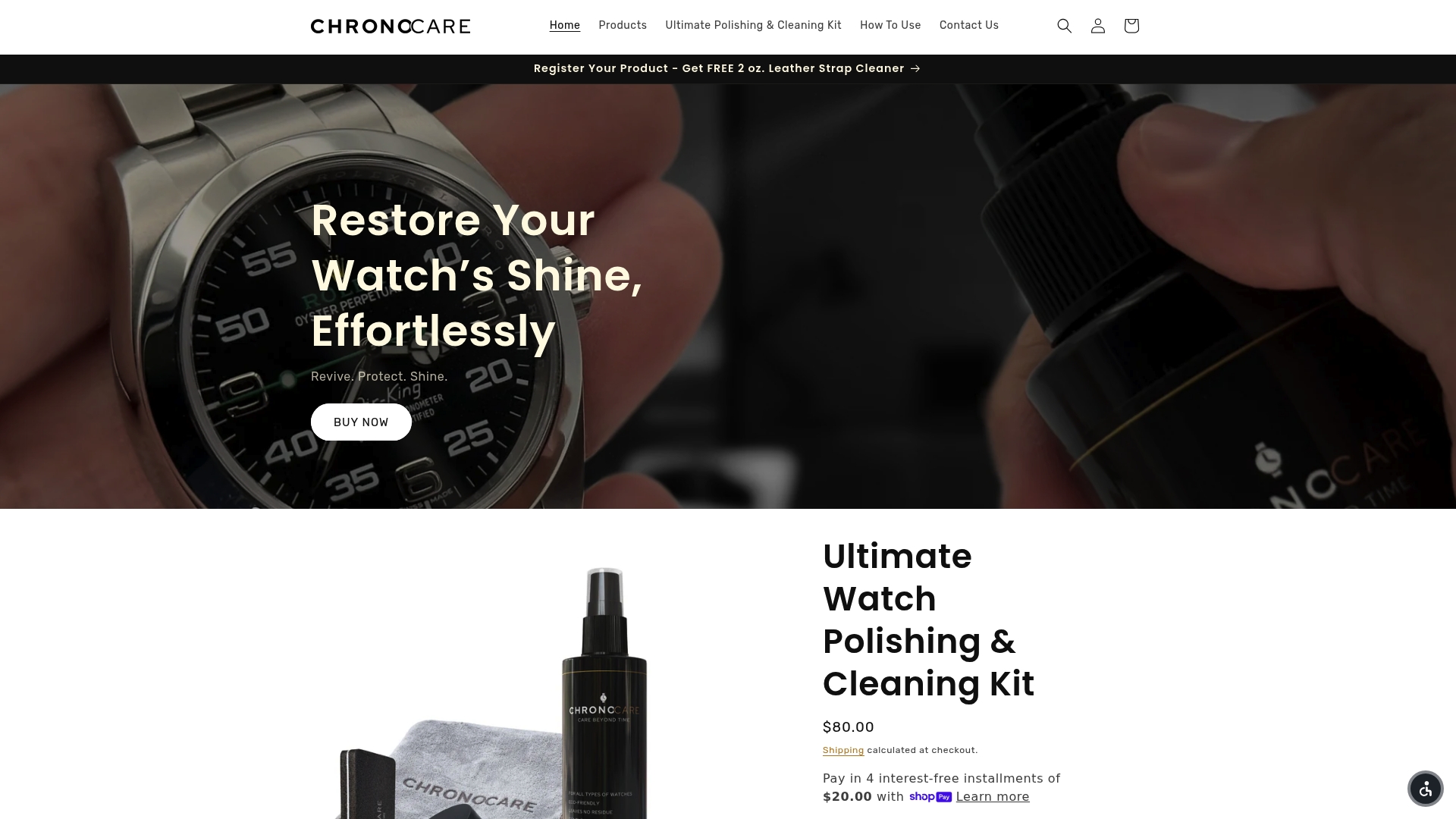
Check availability on the Ultimate Watch Cleaning Kit page and follow the included directions for your first clean.
FAQ
How long does PVD coating last on a watch?
Typical lifespan depends heavily on wear patterns and care, with gentle daily use and regular soft-cloth cleaning extending the finish considerably longer than rough handling or exposure to harsh chemicals. Routine inspection every six to 24 months helps catch early wear before it reaches the base metal.
Is PVD coating good for watches?
Yes, PVD coating is valued for its hardness and color stability compared with older plating methods, and it resists everyday scuffing better than many uncoated finishes. It still requires the same gentle cleaning habits as any coated surface to avoid premature wear.
How much does it cost to PVD a watch?
Pricing for professional re-coating varies by brand, case size, and the extent of surface prep required, and no single figure applies across providers. A service center or specialist can quote an accurate cost once they assess the coating’s current condition.
Is PVD coating on jewelry safe?
PVD coatings are generally considered safe for everyday contact with skin, since the process bonds a thin, stable layer to the metal surface. As with any coated jewelry or watch, avoiding harsh chemicals helps keep the coating intact and keeps the wearing experience consistent over time.