

Protect Collector Value: Degrease Watch Bracelets With 30–90s Ultrasonic
The safest way to degrease a watch bracelet is to remove it from the watch head with a spring-bar tool, then clean it with mild dish soap and warm water or a water-based degreaser, saving ultrasonic cleaning for metal bracelets only once detached. If you can’t remove the bracelet or aren’t sure the case seals are sound, stick to a damp microfiber cloth. This guide reflects a careful, collector-grade approach to maintenance.
TL;DR:
- Detach the bracelet from the watch case before cleaning to prevent damage and ensure thorough removal of grease and dirt.
- Use a stainless steel or titanium bracelet with ultrasonic cleaning, but avoid ultrasonic methods on gold-plated, PVD, or vintage pieces to prevent coating damage.
- Confirm the crown’s water resistance and seals are intact before exposing the watch to any water, especially for vintage or untested models.
- For routine upkeep, wipe the bracelet with a microfiber cloth soaked in mild soapy water, and only consider deep cleaning with ultrasonic equipment if the grime is heavy.
- Always dry the bracelet thoroughly with compressed air and inspect for loose pins, corrosion, or grit to prevent future damage or deterioration.
Table of Contents
- Gather the right tools and degreasing solutions
- Check the crown and water resistance before you start
- Step-by-step degreasing: quick clean, soak, and ultrasonic finish
- How degreasing differs by bracelet material
- Drying and protecting the bracelet after cleaning
- Warning signs that call for a professional watchmaker
- ChronoCare tips for everyday bracelet upkeep
- Why conservative cleaning protects a watch’s value
- Choosing a ChronoCare kit for your bracelet
- Where this guidance comes from
- Sources
- FAQ
Gather the right tools and degreasing solutions
Before touching the bracelet, lay out everything you need so you aren’t improvising mid-clean. A rushed setup is how pins get lost and finishes get scratched.
- Spring-bar tool, for detaching the bracelet from the lugs without marring the case.
- Soft-bristle toothbrush, to work soap into link gaps and clasp mechanisms.
- Wooden toothpick, for sweeping debris out of crevices without scratching metal.
- Microfiber cloths, for drying and buffing without leaving lint or swirl marks.
- Compressed-air puffer, to force trapped water and grit out of tight spaces.
- A shallow tray and towel, to contain small parts and catch drips.
For routine degreasing, one drop of mild dish soap in a cup of warm water handles most everyday grime. When grease buildup is heavier, a purpose-made water-based degreaser, something in the Simple Green family or a dedicated watch cleaning solution, cuts through it more reliably without the harsh solvents that can strip finishes.
If you’re stepping up to ultrasonic cleaning, the equipment matters. Choose a metal-tank unit rather than a plastic-tray “jewelry” sonic cleaner, since plastic tanks don’t generate the cavitation needed for real cleaning power, according to watch enthusiasts discussing ultrasonic cleaning tools and solutions. A tank with enough capacity to submerge the bracelet fully, run at a gentle cycle length, and filled with warm (not hot) water and a touch of mild detergent, gives you consistent results without needing an expensive machine.
Keep a pair of gloves nearby for grip, some plastic wrap if you’re leaving the case attached and need to shield it temporarily, and a clean, dust-free spot for drying.
Pro Tip: Lay a light-colored towel under your workspace so you spot a dropped spring bar or screw before it rolls off the table.
Check the crown and water resistance before you start
Before any water touches the watch, confirm the crown is fully pushed in or, if it’s a screw-down type, properly screwed against the case. A crown left even slightly unseated is the most common way water finds its way into a case during cleaning.

Water-resistance ratings describe a watch’s performance when its gaskets were new and freshly tested, not a permanent guarantee. Gaskets dry out and lose elasticity with age, so even a watch rated for meaningful depth can have compromised seals if it hasn’t been pressure-tested recently, as explained in Marathon’s watch water-resistance guide.
Use this to decide your method:
- If the watch was pressure-tested within the past year and the crown seats correctly, light rinsing of an attached case is reasonable, though a damp cloth is still the more conservative choice.
- If water resistance is unknown, undocumented, or the watch is vintage, use damp-cloth-only cleaning and never submerge the head.
- Never run an assembled watch through an ultrasonic cleaner. Vibration can damage the movement, and any seal weakness invites water ingress.
If you ever see condensation under the crystal or suspect moisture got in, stop immediately, dry the exterior, and get the watch to a professional rather than opening it yourself.
Step-by-step degreasing: quick clean, soak, and ultrasonic finish
Not every bracelet needs the full treatment. Match the method to how dirty it actually is.
Quick at-home degrease, no removal:
- Confirm the crown is seated, then dampen a microfiber cloth with mild soapy water.
- Wipe down the bracelet’s outer surfaces, avoiding the case back and crown.
- Use a soft toothbrush dipped in the same solution to work gently into link gaps.
- Wipe away residue with a clean, damp cloth, then dry thoroughly with a dry one.
This handles everyday sweat and skin oil but won’t fully clear grease packed deep between links.
Detached-bracelet deep clean:
- Remove the bracelet from the lugs using a spring-bar tool, following the same approach outlined in this bracelet link cleaning checklist.
- Submerge the bracelet in warm water with a drop of mild dish soap, or a mild degreaser for heavier grime, and let it sit for several minutes.
- Brush each link and the clasp mechanism with a soft toothbrush, using a wooden toothpick to sweep out stubborn debris from crevices rather than probing with anything metal.
- Rinse thoroughly under warm running water to clear all soap residue.
- Blast out trapped moisture with compressed air, focusing on clasp joints and link pivots.
- Lay flat on a microfiber cloth to air-dry completely before reassembly.
Ultrasonic finishing pass, optional, for bracelets with grease that won’t budge:
- Confirm you’re using a metal-tank ultrasonic cleaner, never a plastic-tray unit, since plastic tanks don’t produce effective cavitation.
- Pre-rinse the bracelet to remove loose grit that could scratch the metal during cycling.
- Run short cycles of 30 to 90 seconds in warm water with mild detergent, checking progress between passes rather than running one long cycle.
- Rinse and dry fully once the water runs clear and no film remains on the links.
The watch head itself never goes in the ultrasonic tank. Community technicians who regularly use these machines warn that running an assembled case through ultrasonic cleaning risks both movement damage and water intrusion, a risk not worth taking for a cosmetic clean, per discussion of ultrasonic tools and solutions.
You’ll know grease is gone when the metal squeaks slightly under a dry cloth and links move freely without a tacky drag. Before reassembly, run a finger along each pin and link to check for grit, and confirm nothing feels loose. A bracelet that rattles or has a pin that shifts under light pressure needs attention before it goes back on the watch.

How degreasing differs by bracelet material
Treat the bracelet’s material as your first decision point, not an afterthought.
- Stainless steel and titanium tolerate mild soap and detached ultrasonic cleaning well; skip abrasive buffing, which dulls factory finishes.
- Gold, gold-plated, and PVD-coated bracelets need gentler treatment: skip ultrasonic cleaning entirely on plated surfaces and stick to soap with light brushing, since aggressive degreasers and cavitation can thin or lift the coating.
- Leather straps should never be soaked. Many watchmakers recommend leather-specific cleaners and conditioners instead, since water breaks down the material’s structure over time, as Longines notes in its watch cleaning guidance.
- Rubber and fabric straps handle rinsing well after sweat exposure; use mild soap and let them air-dry completely before wearing again.
Whatever the material, avoid circular polishing motions when wiping down brushed or polished surfaces. Circular scrubbing creates micro-swirls that are nearly invisible fresh out of the box but show up under light once a watch has resale value riding on its finish. For steel pieces specifically, this guide to cleaning stainless steel watches covers finish-safe techniques in more depth.
Pro Tip: Wipe brushed-finish bracelets in the direction of the brushing, not against it, to avoid leaving faint cross-grain marks.
Drying and protecting the bracelet after cleaning
Moisture left behind is where most post-cleaning problems start. Pat the bracelet dry with a microfiber cloth, then let it air-dry fully before reassembly, giving clasp hinges and link pivots time to release trapped water on their own.
- Use compressed air to clear water pooled in clasp voids and between tightly fitted links.
- Inspect each link and pin for early corrosion, discoloration, or grit that brushing missed.
- Stop and consult a professional if you find a loose pin, pitting, or anything that looks structurally off rather than cosmetic.
- Apply only a trace of watch-safe lubricant to pin joints if they feel stiff. Too much attracts dust and grime, undoing the clean.
- Store the watch in a dry spot away from direct sun between wears to slow grime buildup.
A few extra minutes of drying now saves you from reopening the bracelet in a week because moisture worked its way into a hinge.
Warning signs that call for a professional watchmaker
Some problems are outside what a toothbrush and soap can fix. Watch for these red flags:
- Condensation under the crystal after any water exposure, however brief.
- A crown that feels loose, gritty, or doesn’t seat the way it used to.
- Corrosion that returns after cleaning instead of staying gone.
- Vintage or high-value pieces where any misstep affects collector value.
A professional service typically includes ultrasonic cleaning in a controlled environment, gasket replacement, a pressure test to confirm water resistance, and polishing with equipment that won’t round off case edges or bevels, the kind of conservative, precision-focused work that Longines recommends for pieces where preserving value matters. Costs and turnaround vary widely by brand and the scope of work, so get a quote before committing rather than assuming a flat rate.
ChronoCare tips for everyday bracelet upkeep
A single drop of dish soap in warm water is still the most dependable starting point for routine degreasing, reserving a formulated cleaner for grease that soap alone won’t shift.
- Break the brittle tip off a wooden toothpick first, giving you a softer, blunter edge for sweeping crevices instead of risking scratches with a sharp point.
- Build a simple rhythm: a quick wipe weekly, a fuller soap clean monthly, matching what collectors generally recommend for everyday pieces.
- Reach for a formulated cleaning solution when soap stops cutting grease fast enough, since it saves scrubbing time without resorting to harsher solvents.
Pro Tip: Keep your cleaning kit assembled and ready rather than hunting for supplies each time. Consistency matters more than any single deep clean.
Why conservative cleaning protects a watch’s value
Collectors tend to favor the cautious route because a bracelet’s finish and a case’s seals are both easier to damage than to restore. Appearance matters, but preservation matters more when a piece has any collector value attached to it.
A sensible cadence is a light clean monthly and a deeper, detached-bracelet clean quarterly, dialing that back further for vintage or fragile pieces where even mild intervention carries risk. If you ever send a watch for professional servicing, keep a note of what DIY cleaning you’ve already done. That record protects the piece’s documented history and saves a watchmaker time diagnosing what’s already been addressed.
— Raymond Jenkins
Choosing a ChronoCare kit for your bracelet
Once you know which cleaning level your bracelet needs, the right kit removes the guesswork of sourcing individual tools and solutions separately.
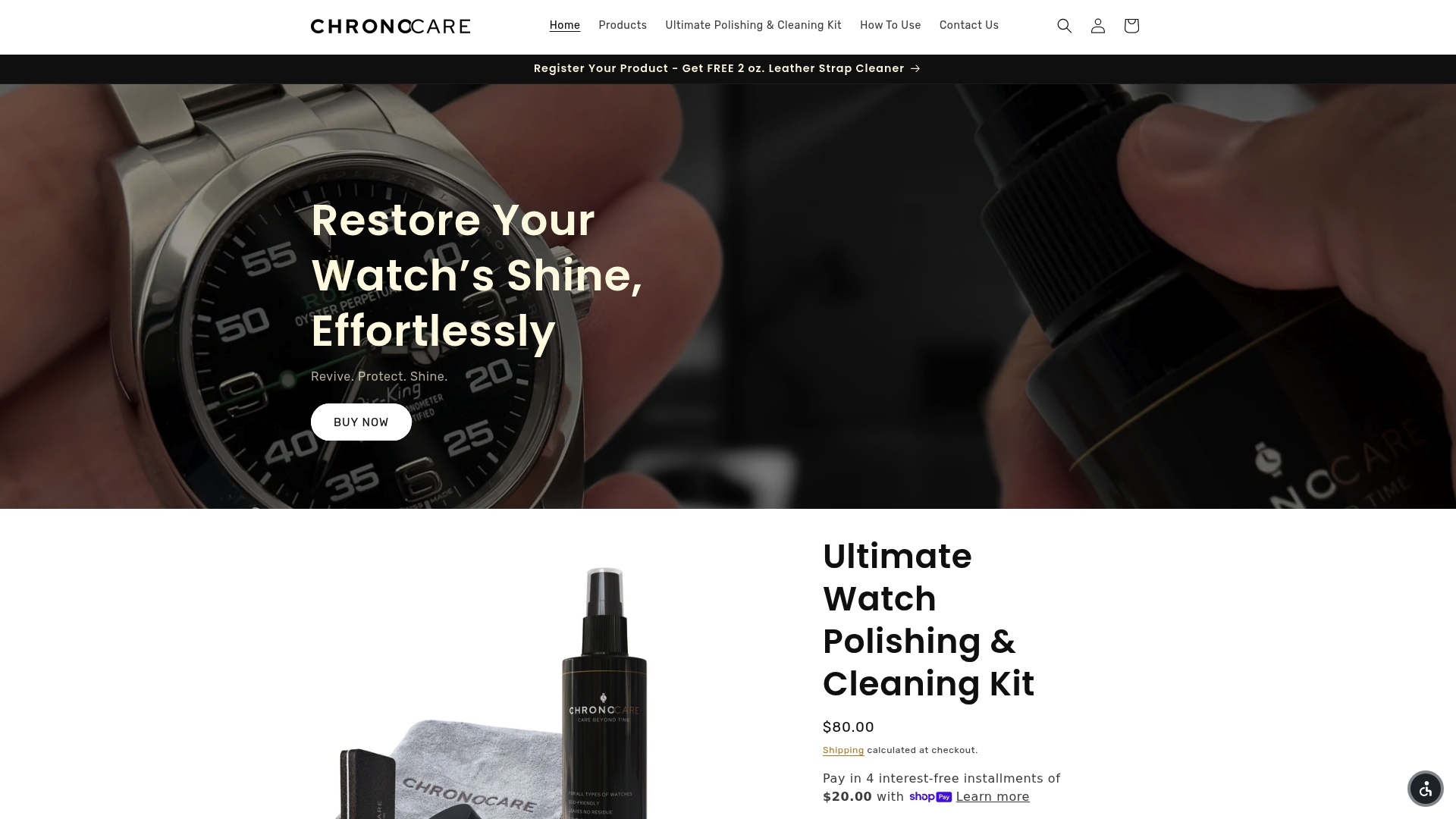
For routine degreasing, the Ultimate Watch Cleaning Kit covers the basics this guide walks through: a cleaning solution formulated for metal bracelets, brushes sized for link gaps, and microfiber cloths for drying without lint. It’s built for the weekly-wipe, monthly-clean rhythm most bracelets need.
- Choose the cleaning kit when grime is light to moderate and you just need routine upkeep.
- Choose the Ultimate Watch Polishing & Cleaning Kit when degreasing reveals dull or scratched finishes that need restoration alongside cleaning.
- Reach for the Watch Polishing Cream specifically to bring back shine on metal bracelets after a deep clean.
If you’re dealing with corrosion, a loose crown, or a vintage piece with real collector value, that’s a job for a watchmaker, not a kit. For everything else, a ChronoCare kit gets you through the steps above without piecing together separate tools and solutions. Browse the full range at ChronoCare.
Where this guidance comes from
- Marathon’s water-resistance explainer covers why aged seals undermine resistance ratings.
- Omega Forums’ ultrasonic cleaning thread details equipment risks and tank requirements.
- Longines’ cleaning guide outlines leather care and conservative handling for valuable pieces.
If you’re storing a cleaned watch rather than wearing it right away, a dedicated watch winder safe keeps it protected from dust and humidity between uses.
Sources
- Watch water-resistance explained — Marathon Watch
- Ultrasonic Cleaning for Watch Bracelets: Tools & Solutions — Omega Forums
- How to clean a watch | LONGINES
FAQ
What is the best way to clean a watch bracelet?
Remove the bracelet with a spring-bar tool when possible, then clean it with mild dish soap and warm water, brushing link gaps with a soft toothbrush. For heavier grease, a water-based degreaser or a short ultrasonic cycle on the detached bracelet works more thoroughly, as detailed in ultrasonic cleaning guidance.
Is WD-40 good for watches?
No. WD-40 is a petroleum-based lubricant and solvent, not designed for watch materials, and it can damage seals, attract dust, and leave residue that traps grime rather than removing it. Stick to mild soap or a cleaner formulated for watches instead.
Can you use Dawn dish soap to clean a watch?
Yes, a single drop of mild dish soap in warm water is a widely recommended method for routine bracelet cleaning because it breaks down skin oils without leaving harsh residue. Rinse and dry thoroughly afterward, and avoid submerging the watch head unless water resistance has been recently tested.
Can I use rubbing alcohol to clean my watch?
Rubbing alcohol isn’t the first choice for routine bracelet cleaning since it can dry out gaskets and strip certain coatings or lubricants over repeated use. Mild soap and water, or a cleaner made specifically for watches, is the safer option for regular maintenance.
How often should I deep-clean a watch bracelet?
A light wipe weekly and a fuller soap clean monthly works well for everyday pieces, with a deeper, detached-bracelet clean roughly every quarter. Vintage or fragile watches should be cleaned more conservatively and less frequently, leaning on a damp cloth rather than soaking or ultrasonic methods.