

Collectors, Clean White Rubber Straps Without Bleach
The safest routine is to remove the strap from the watch, scrub it gently with mild soap, warm water, and a soft brush, rinse well, and let it dry completely in the shade. Stronger stain removers exist, but they carry real risk. Bleach, solvents, and long stretches in hot sun can make rubber worse, and some yellowing is permanent.
TL;DR:
- Test any stain treatment on a hidden spot and wait a few minutes; stop if the surface dulls, softens, or changes color.
- Try plain toothpaste or baking soda paste after washing, rinsing between attempts; reserve peroxide and sunlight for a brief, closely monitored last resort.
- Skip bleach, solvents, gasoline, acetone, and strong alcohol cleaners, which can discolor, soften, or crack rubber rather than remove embedded dye.
- Replace the strap if cracks appear, elasticity disappears, or tackiness remains after cleaning; those signs indicate damage that washing cannot reverse.
- For routine prevention, rinse and wipe weekly, wash with soap every few weeks, and clean more often after daily exercise or hot weather.
Table of Contents
- What is the safest way to clean a white rubber strap?
- How can you remove stubborn stains and yellowing safely?
- Which chemicals should you avoid, and when is it time to replace the strap?
- How do you dry, store, and care for a white strap to prevent stains?
- Why should you take the strap off before cleaning?
- Our perspective on caring for collector straps
- Is a formulated cleaning kit worth it for regular strap care?
- FAQ
- Sources
What is the safest way to clean a white rubber strap?
Start with the gentlest option, because it solves most problems and costs the strap nothing. Light dirt, skin oils, and everyday grime respond to soap and water. You only need to escalate when a stain survives this routine.
Follow these steps in order:
- Remove the strap from the watch using a spring bar tool, a thin blade, or the quick-release lever if your strap has one. Work over a towel so a loose spring bar does not vanish.
- Fill a small bowl with warm water and add one drop of mild dish soap. Stir until it is lightly sudsy. We like neutral soap here, because harsher or undiluted cleaners can dry out rubber over time. Our guide on using one drop of dish soap on collector watches covers why less is more.
- Dip a soft toothbrush or microfiber cloth into the solution and scrub gently. Pay attention to grooves, seams, the keeper loops, and the underside, where sweat and skin cells collect.
- Rinse the strap under clean running water until no suds remain. Soap residue attracts new dirt and can leave a film.
- Pat the strap with a towel, then lay it flat in a ventilated, shaded spot until it is fully dry.
- Reattach it only when no moisture is left in the spring bar holes or buckle area.
Citizen’s care guidance supports this approach: water, mild soap, and a soft brush are appropriate for rubber and urethane straps.
A few details make the routine work better:
- Use a brush with soft bristles. A stiff brush leaves fine scratches that hold dirt on a white surface.
- Keep water warm, not hot. Heat can soften some strap compounds.
- Work in small circles rather than hard back-and-forth strokes.
- Scrub the inside of the strap as carefully as the outside, since that is where most skin contact happens.
Pro Tip: Photograph the strap before you start. White rubber changes slowly, and a before-and-after comparison tells you whether a method is actually helping or just moving grime around.
If you want a deeper walkthrough, our guides on cleaning a rubber watch strap the right way and on cleaning silicone straps safely go further into material differences. For the scrubbing technique itself, including tight spots near the spring bars, see our toothbrush cleaning steps.
How can you remove stubborn stains and yellowing safely?
Work from the mildest option to the harshest, and stop as soon as the strap looks right. Before any method, test a hidden spot, such as the underside near a spring bar end, and wait a few minutes. If the surface dulls, tackles, or changes color, do not continue.
Here are the common household options, in a sensible order:
- Toothpaste: Choose a plain white, non-gel, non-whitening paste. Rub it in with a soft cloth or brush using small circular motions, leave it briefly, then rinse thoroughly. Nixon’s strap-cleaning guide lists toothpaste among the practical stain methods and stresses rinsing completely afterward.
- Baking soda paste: Mix baking soda with a little water until it forms a spreadable paste. Dab it onto the stain, rub lightly, and rinse. A small splash of white vinegar can lift the residue, though you should rinse it off right away. Baking soda is mildly abrasive, so keep your pressure light and do not scrub the same spot repeatedly.
- Hydrogen peroxide and sunlight: A method popular in collector forums is to wrap the strap in a cloth or paper towel soaked in a low-strength peroxide solution and set it in sunlight for a short time. It can lighten some surface discoloration, but it deserves caution. UV light and oxidizing chemicals both age rubber, so repeat sessions can leave the material brittle. Treat it as a last resort, keep sessions brief, and check the strap often.
- Magic eraser: These melamine sponges work by abrasion. They can erase marks, but they can also strip the strap’s surface finish and leave a dull or uneven patch. If you use one, dampen it, press very lightly on the stained area only, and rinse right away.
Rinse and dry fully between attempts. Stacking methods without rinsing mixes residues and makes results hard to judge.
It also helps to know what cleaning cannot do. If a white strap stays yellow, gray, or blue after a thorough wash, the cause may not be dirt at all. Citizen notes that discoloration from clothing dyes may be impossible to remove, and its guidance explains that aggressive whitening often fails because the color is dye transfer embedded in the material or a sign of the material aging, not surface grime. Dark denim, leather goods, and colored sleeves are frequent culprits.

Pro Tip: Give each method one or two tries, then stop. Repeated harsh scrubbing on a stubborn stain usually damages the strap faster than the stain ever would.
For sweat-related marks specifically, our guide on removing watch strap sweat stains offers a gentler path.
Which chemicals should you avoid, and when is it time to replace the strap?
Some products turn a cleaning job into permanent damage. Citizen’s guidance names the main offenders: solvents, paint thinner, benzene, gasoline, nail-polish-remover ingredients, bleach, and similar chemicals can cause discoloration, dissolution, cracking, or premature aging of rubber and urethane.
Keep these away from your strap:
- Bleach and bleach-based cleaners
- Paint thinner, benzene, and gasoline
- Nail-polish remover and acetone
- Strong alcohol-based cleaners and sanitizers
- Undiluted dish soap or concentrated detergents
- Harsh household sprays that list solvents on the label
These products pull plasticizers out of the material, soften or swell the surface, or accelerate the chemical breakdown that leads to cracking. Moisture and certain solvents can also trigger hydrolysis, where the rubber slowly deteriorates from within. Citizen’s care page warns about solvents and airborne moisture causing exactly this kind of deterioration.
If you need to spot-clean something stubborn, stick with the household options from the previous section: diluted mild soap, a little plain toothpaste, or a baking soda paste. They are far less likely to harm the strap.
Replace the strap when you see any of these signs:
- The rubber has lost its elasticity and no longer springs back
- Fine cracks appear near the holes, keepers, or lug ends
- The surface feels sticky, chalky, or tacky even after cleaning
- Yellowing persists after several safe, gentle attempts
Citizen advises that once elasticity is lost or cracking begins, cleaning cannot restore the strap and replacement is the right call. A cracked strap can also fail without warning, which puts the watch itself at risk.
How do you dry, store, and care for a white strap to prevent stains?
Prevention is far easier than correction, and most of it comes down to moisture and light.
For drying, blot the strap with a towel first, then air it in a ventilated, shaded spot. Avoid hair dryers, radiators, sunny windowsills, and sealed containers. Heat and trapped humidity both speed up material aging.
Build a few habits around wearing the watch:
- Wipe the strap and your wrist after sweating, especially after workouts
- Rotate straps so each one gets time to air out between wears
- Rinse the strap after contact with chlorine, salt water, or sunscreen
- Avoid pairing a white strap with fresh dark denim or dyed fabrics
- Do not wear the strap so tight that it traps sweat against the skin
Storage matters too. Keep straps in a cool, dry, ventilated place, away from long direct sunlight. A drawer with a little airflow beats a sealed plastic bag, which holds moisture against the surface. Keep white straps separate from colored ones, since dyes can migrate between materials that sit in contact for weeks.
A quick weekly rinse and wipe-down keeps buildup from setting in, and a full soap-and-brush cleaning every few weeks suits most daily wearers. If you wear the strap daily in hot weather or for exercise, go a little more often.
Pro Tip: Keep a clean microfiber cloth in your watch drawer or bag and wipe the strap down whenever you take the watch off. A brief habit beats prolonged scrubbing.
Jewelry and watch owners often wonder how far household methods should go. This overview of safe at-home cleaning methods is a good reminder that gentle, material-appropriate cleaning protects long-term value.
Why should you take the strap off before cleaning?
Most cleaning failures happen because the strap is washed while still attached to the watch. Water can reach crown and pusher openings, and soap residue collects around the spring bars where you cannot see or reach it. Citizen’s support guidance points to removing the strap first, and Apple’s instructions also call for taking bands off before cleaning.
If you truly cannot remove it, protect the case with plastic wrap or tape, use as little moisture as possible, and blot with a damp cloth rather than soaking. Dry the area immediately, and never run the watch under a tap.

Our perspective on caring for collector straps
Owners can damage a yellow or stained strap by trying to fix it too aggressively. A bottle of bleach or a harsh scrub turns a cosmetic issue into a cracked, discolored strap that cannot be saved. Conservative care wins: gentle cleaning, thorough drying, and rotation preserve both the look and the value of a collection. Purpose-built care products may suit this job well.
— Raymond Jenkins
Is a formulated cleaning kit worth it for regular strap care?
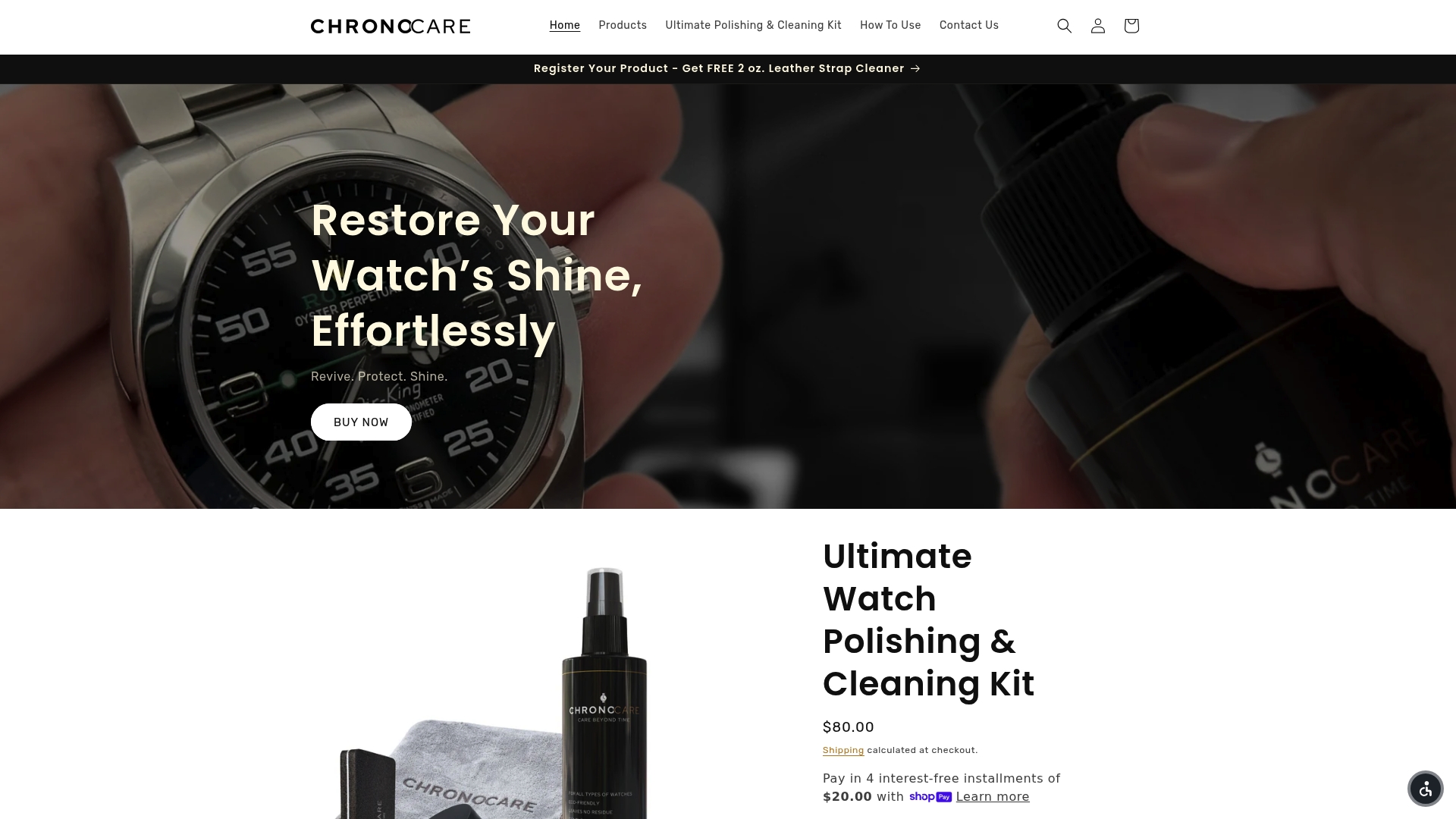
Household methods are fine for a single stain, but if you maintain several watches, a formulated kit makes routine care simpler and more consistent. Our Ultimate Watch Cleaning Kit is built for collectors who want maintenance and finishing in one set.
Consider which route fits your situation:
- Choose household methods for a one-off stain or a quick spot fix on a single strap
- Choose our kit for regular maintenance across a collection, or when you want purpose-formulated products with guided instructions
- Pair both by using soap and water for strap basics and the kit for the rest of the watch
If you are ready to simplify your routine, take a look at the Ultimate Watch Cleaning Kit and see how it fits your collection.
FAQ
How do you clean rubber straps on a watch?
Remove the strap, then scrub it with warm water, one drop of mild soap, and a soft brush. Rinse thoroughly and let it air-dry in the shade. This matches the water-and-mild-soap care that Citizen recommends for rubber straps.
How do you clean white rubber that turned yellow?
Begin with soap and water, then try plain toothpaste or a light baking soda paste, rinsing well after each attempt. If the yellowing stays, it may be dye transfer or material aging rather than dirt, which cleaning often cannot reverse. At that point, replacement is the realistic option.
Can you use dish soap to clean a watch strap?
Yes, in a very diluted form. One drop of mild dish soap in a bowl of warm water is enough, and you should rinse the strap completely afterward. Avoid undiluted soap, since concentrated detergents can dry out rubber over time.
What should you never use on a white rubber strap?
Skip bleach, paint thinner, gasoline, benzene, nail-polish remover, and strong alcohol cleaners. These can discolor, soften, or crack the rubber, as Citizen’s care guidance warns.