

How to Clean Silicone Watch Straps Safely
Cleaning a silicone watch strap safely means rinsing with lukewarm water and mild soap while avoiding bleach, acetone, and abrasive materials that permanently damage the material. Sweat, skin oils, and dirt build up on silicone bands daily, causing odor, discoloration, and structural breakdown if left untreated. The good news is that proper silicone strap maintenance, known in watch care circles as elastomer band cleaning, requires nothing more than a few household items and a consistent routine. This guide covers the right frequency, the safest tools, a step-by-step cleaning process, and fixes for stubborn stains so your strap stays hygienic and looks new.
How often should you clean silicone watch straps?
Cleaning frequency is the most overlooked factor in silicone strap care. Daily wear requires cleaning every 7–10 days, while active or sport use demands a rinse after every session and a full wash weekly. Skipping this schedule lets sweat and oils oxidize on the surface, which creates the yellowish tint many people mistake for permanent aging.
Sweat and oil cause surface oxidation that looks like irreversible wear but is actually preventable with regular cleaning. The key insight here is that light, frequent cleaning outperforms infrequent deep scrubbing every time. A quick rinse after a gym session takes 30 seconds and prevents the kind of buildup that requires 20 minutes to remove later.
| Wear pattern | Rinse frequency | Full wash frequency |
|---|---|---|
| Casual daily wear | As needed | Every 7–10 days |
| Active or sport use | After every session | Weekly |
| Occasional wear | Before and after use | Monthly |
| Swimming (saltwater) | After every swim | Weekly |
Pro Tip: Set a recurring phone reminder every Sunday for your weekly strap wash. Pairing it with an existing habit, like charging your watch, makes it automatic.
What tools and materials are safe for silicone straps?
The safest cleaning combination for silicone is lukewarm water paired with a fragrance-free, bleach-free mild dish soap. Fragrance additives and bleaching agents both attack the silicone polymer at the molecular level, even when the damage is not immediately visible. Apple Support recommends mild hypoallergenic soap and a lint-free cloth to avoid abrasive debris that causes long-term wear on silicone bands.
For textured or grooved areas, a soft-bristle toothbrush reaches spots a cloth cannot. Microfiber cloths work best for flat surfaces and final drying because they lift residue without scratching. Bleach degrades silicone elastomers causing structural weakening that may not show up immediately but compounds with every wash.
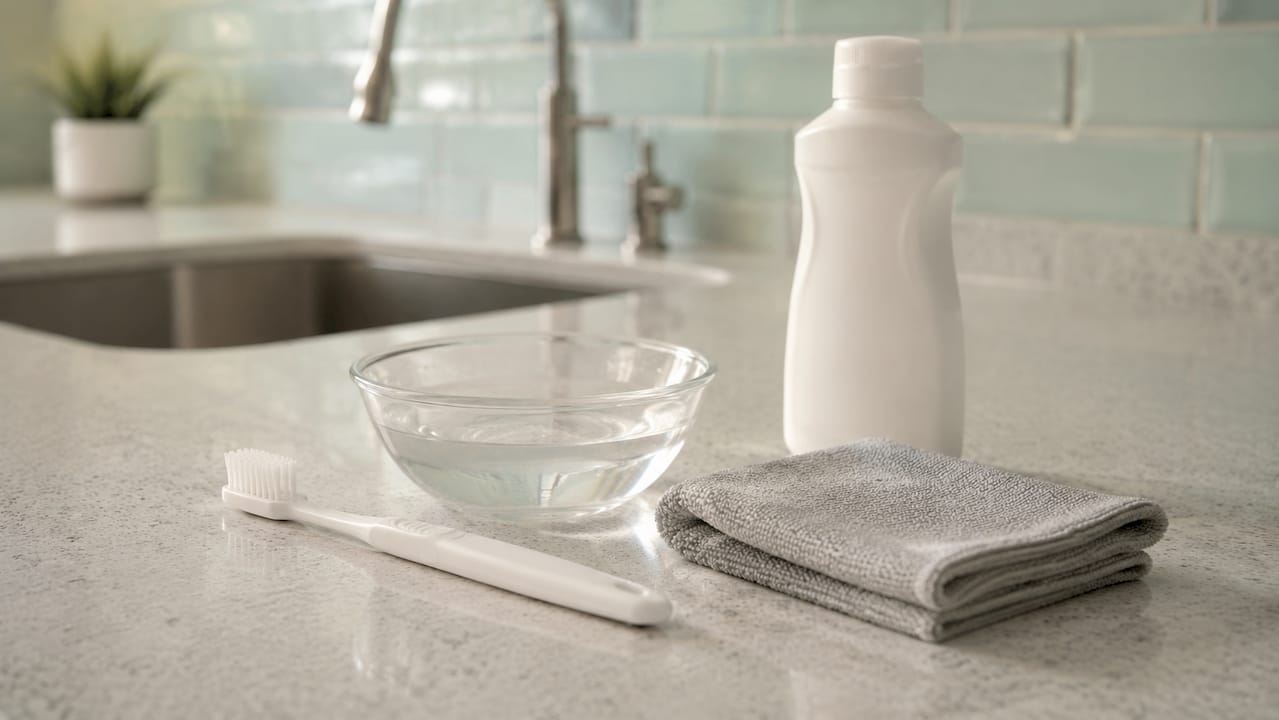
| Safe to use | Avoid completely |
|---|---|
| Lukewarm water | Hot water |
| Mild dish soap (fragrance-free) | Bleach or bleach-based cleaners |
| Soft-bristle toothbrush | Acetone or nail polish remover |
| Microfiber cloth | Alcohol-based cleaners (high concentration) |
| Distilled water (final rinse) | Fabric softener |
Pro Tip: Before using any new soap on your strap, apply a small amount to the underside and wait five minutes. If the surface feels tacky or looks dull, switch to a gentler formula.
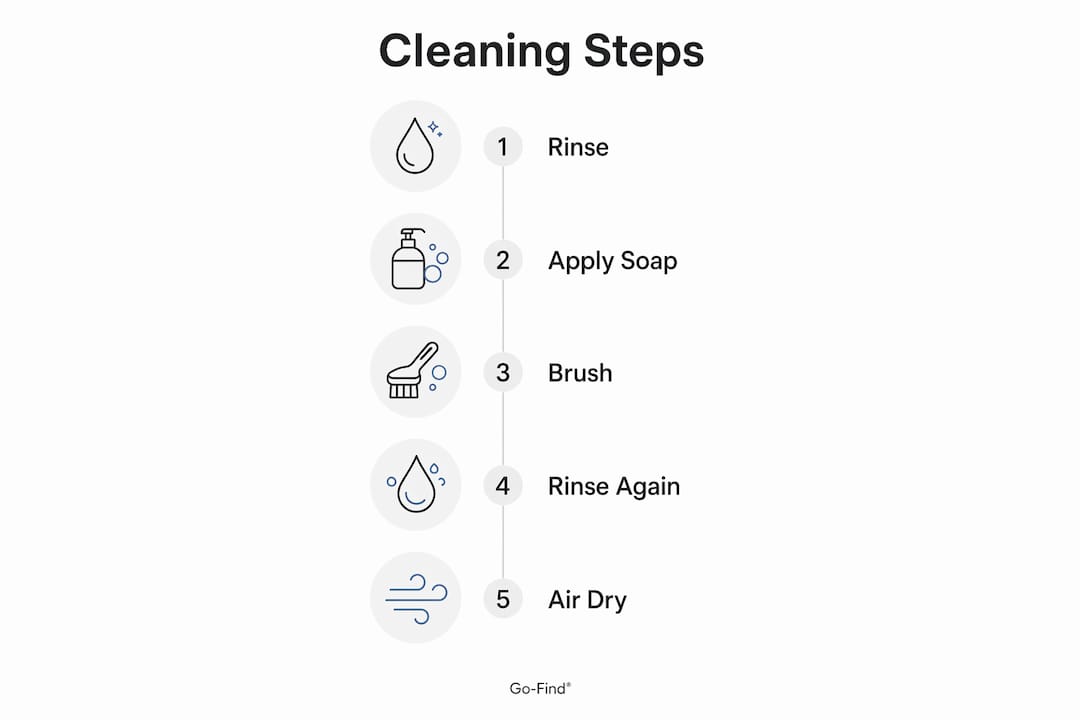
Step-by-step guide to cleaning your silicone strap
This process works for Apple Watch bands, Garmin straps, and any standard silicone watch band. Follow each step in order to avoid the most common mistakes.
-
Remove the strap from the watch. Water and soap near the watch case can damage seals and movement components. Detach the strap completely before you start.
-
Rinse under lukewarm running water. Hold the strap under a gentle stream for 20–30 seconds to loosen surface debris. Hot water weakens the silicone polymer matrix causing loss of elasticity and shape deformation, so keep the temperature cool to warm, never hot.
-
Apply mild soap with your fingers or a soft cloth. Work the soap into the strap surface using small circular motions. Pay extra attention to the buckle holes, the underside, and any textured grooves where sweat collects.
-
Use a soft toothbrush for stubborn spots. Scrub gently with light pressure. Aggressive scrubbing with a stiff brush scratches the surface and creates micro-grooves where bacteria settle faster.
-
Rinse thoroughly until no soap remains. Residual soap is one of the most common mistakes people make. Residual detergent crystallizes into a mineral film after drying, dulling the strap’s finish and attracting new dirt faster.
-
Do a final rinse with distilled water. Tap water contains minerals that leave a film on silicone. A quick distilled water rinse after the soap rinse restores the clean matte look of the strap.
-
Pat dry with a microfiber cloth, then air dry completely. Never put a damp strap back on your wrist or reattach it to the watch. Trapped moisture between the strap and your skin creates the exact warm, dark environment where odor-causing bacteria thrive.
The most common mistake in this process is rushing the drying step. Give the strap at least 30 minutes of air drying time before reattaching it. If you wear the strap while it is still damp, you undo most of the hygiene benefit of washing it. For more on removing sweat stains from watch bands, ChronoCare has a dedicated guide covering targeted treatment methods.
How do you remove stubborn stains and odors from silicone?
Basic soap and water handles most everyday grime. For stains and persistent odors, you need targeted treatments that are still safe for silicone.
For surface stains and discoloration:
- Mix baking soda and water into a thick paste. Baking soda paste applied for 5–15 minutes lifts surface discoloration without scratching or degrading the silicone. Apply with a soft toothbrush, let it sit, then rinse completely.
- Avoid whitening toothpaste. Despite popular advice online, most whitening toothpastes contain abrasive silica particles that scratch silicone surfaces.
For odor elimination:
- Soak the strap in a solution of one part white vinegar to three parts water for 15–20 minutes. White vinegar neutralizes the bacteria causing the smell without attacking the silicone structure.
- Rinse thoroughly after the vinegar soak. Vinegar smell dissipates quickly once the strap dries, but a final water rinse speeds up the process.
When to replace instead of clean:
- Persistent odors after multiple deep cleans indicate that bacteria have permanently colonized the silicone. At that point, no cleaning method restores hygiene. Replacement is the only solution.
- Visible cracking, loss of elasticity, or a sticky surface texture also signal that the strap has reached the end of its useful life.
Pro Tip: Never use acetone or nail polish remover on silicone, even for tough stains. Harsh chemicals like acetone dehydrate silicone causing micro-cracking and permanent loss of elasticity, often within a single application.
Maintenance habits that extend silicone strap life
Cleaning is only part of the equation. Daily habits determine how long a silicone strap stays in good condition between washes.
- Rinse after saltwater exposure. Salt crystals left on silicone after swimming in the ocean or a saltwater pool accelerate surface degradation. A 30-second freshwater rinse immediately after swimming prevents this.
- Store away from heat and UV light. Direct sunlight and heat sources like radiators cause silicone to yellow and become brittle over time. Store spare straps in a cool, dark drawer or a watch roll.
- Rotate straps when possible. Wearing the same strap every day concentrates wear and sweat exposure. Rotating between two straps extends the life of both.
- Avoid machine washing unless necessary. If you do machine wash, use a delicate cycle with a low spin speed and a gentle detergent without fabric softener. Fabric softener leaves a waxy film that attracts dirt and dulls the finish.
- Skip fabric softener entirely. Even in hand washing, fabric softener residue coats silicone and creates a surface that traps more grime than a clean strap would.
For a broader look at how strap material affects care routines, ChronoCare’s material comparison guide breaks down maintenance requirements across silicone, leather, rubber, and metal options.
Key takeaways
Cleaning a silicone watch strap safely requires lukewarm water, mild fragrance-free soap, and a soft brush, applied consistently every 7–10 days for daily wearers and after every active session for sport users.
| Point | Details |
|---|---|
| Clean on a schedule | Daily wearers should wash every 7–10 days; sport users should rinse after every session. |
| Use the right tools | Mild dish soap, a soft toothbrush, and a microfiber cloth are all you need. |
| Avoid harsh chemicals | Bleach, acetone, and high-concentration alcohol permanently damage silicone elastomers. |
| Treat stains with baking soda | A baking soda paste applied for 5–15 minutes safely lifts discoloration without scratching. |
| Replace when odor persists | Persistent odor after repeated cleaning means bacterial colonization and warrants replacement. |
What I’ve learned from years of watching people ruin good straps
Raymond Jenkins here. The single biggest mistake I see is people treating silicone straps like they are indestructible. Silicone is durable, but it is not immune to the wrong cleaning products. I have seen perfectly good straps turn brittle and cracked after one round with an alcohol wipe or a bleach-based bathroom cleaner. The damage is not always immediate, which is exactly what makes it dangerous. People assume the strap survived and repeat the same mistake until the material fails.
The second most common error is skipping the drying step. Putting a damp strap back on your wrist feels harmless, but it creates a cycle of recontamination that makes the strap smell worse faster. I always recommend at least 30 minutes of open-air drying, ideally an hour. That one habit alone makes a measurable difference in how long a strap stays fresh.
My honest advice on replacement timing: do not wait until the strap looks bad. If it smells after a thorough cleaning, it is already past the point of no return. Silicone is affordable enough that replacing a compromised strap is always the right call over trying to salvage it with increasingly aggressive cleaning methods.
Invest in quality tools from the start. A good microfiber cloth and a dedicated soft brush cost almost nothing and protect a strap that may have cost considerably more. Routine care is not complicated. The people who maintain their straps well are simply the ones who do it consistently, not the ones who do it perfectly.
— Raymond Jenkins
The right kit makes safe strap cleaning effortless
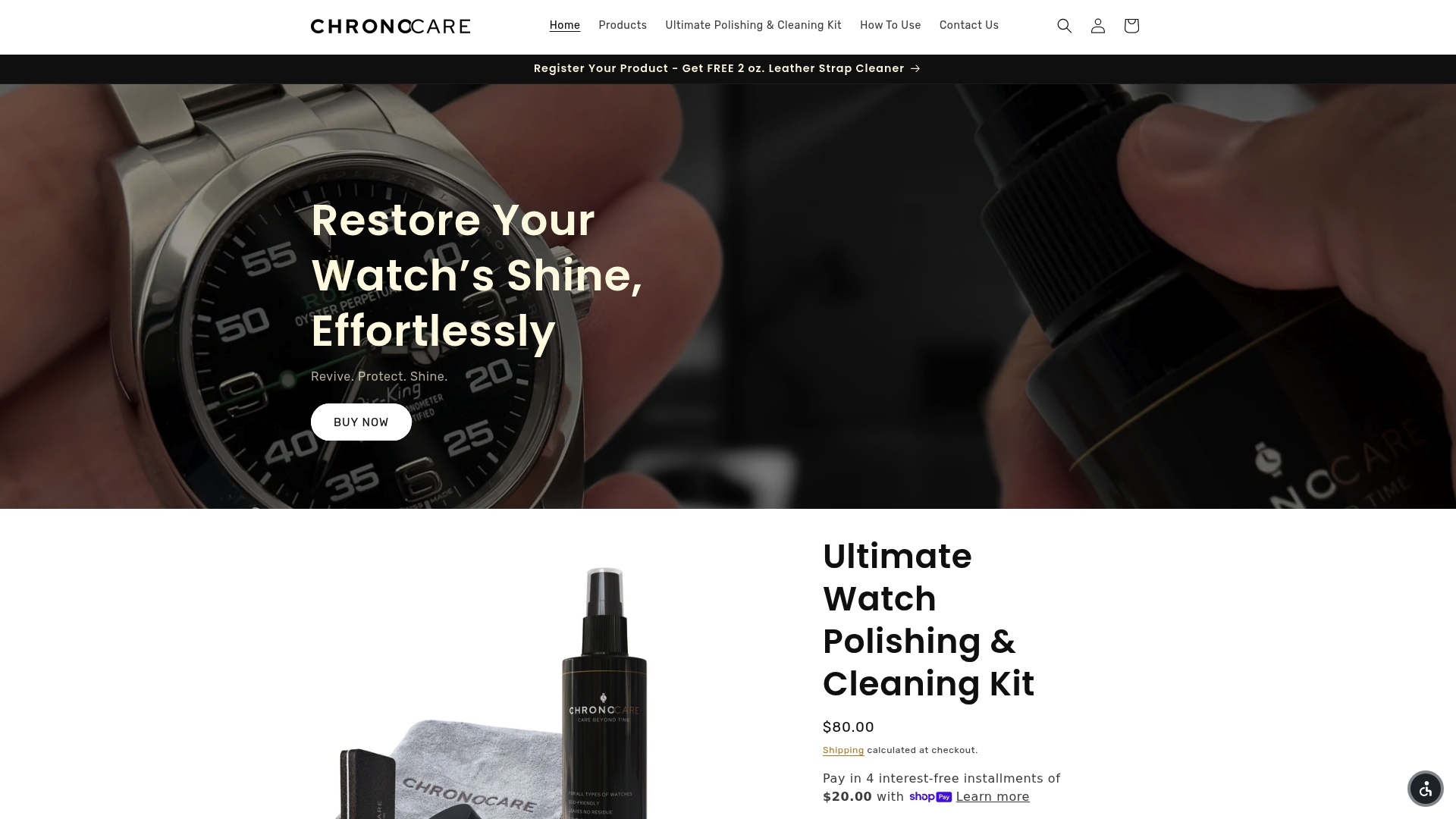
Knowing the right method is half the battle. Having the right tools on hand means you will actually follow through every week instead of improvising with whatever is nearby. ChronoCare’s Ultimate Watch Cleaning Kit brings together the tools you need for safe silicone strap care in one place, including gentle cleaning solutions and soft applicators designed for delicate watch materials. Every component is formulated to protect rather than degrade. If you want a complete solution that covers your strap and your watch case, the Ultimate Watch Polishing and Cleaning Kit extends that care to the full timepiece. Both kits are formulated in the US and built for collectors who take maintenance seriously.
FAQ
How often should I clean my silicone watch strap?
Clean a silicone strap every 7–10 days for daily wear and rinse it immediately after every workout or swim. Active users who skip the post-session rinse accelerate odor and discoloration significantly.
Can I use rubbing alcohol to clean a silicone watch band?
High-concentration alcohol cleaners dehydrate silicone and cause micro-cracking over repeated use. Stick to mild dish soap and lukewarm water for routine cleaning.
What removes odor from a silicone watch strap?
A diluted white vinegar soak (one part vinegar to three parts water for 15–20 minutes) neutralizes odor-causing bacteria safely. If odor persists after multiple treatments, bacterial colonization has set in and replacement is the only hygienic option.
Is it safe to machine wash a silicone watch strap?
Machine washing is safe only on a delicate cycle with low spin speed and a gentle detergent without fabric softener. Hand washing with mild soap remains the preferred method because it gives you direct control over pressure and temperature.
How do I get rid of yellow stains on a silicone strap?
Apply a paste of baking soda and water directly to the stained area and let it sit for 5–15 minutes before scrubbing gently with a soft toothbrush. This method lifts surface oxidation without damaging the silicone structure.