

Save Collector Watches: Five Minute Post Swim Routine to Prevent Chlorine Damage
Yes, chlorine can damage a watch, and the risk is real for both water-resistant sport pieces and vintage models. The chemistry attacks rubber gaskets and metal plating over repeated exposure, so the single most important move is simple: rinse your watch under fresh tap water and dry it fully the moment you’re out of the pool. If you notice fogging under the crystal or a stuck crown afterward, stop wearing it and get it checked.
TL;DR:
- Repeated chlorine exposure gradually damages gaskets, rubber seals, and metal plating, increasing the likelihood of water ingress and seal failure over time.
- Gaskets and pushers are most vulnerable within a season of casual pool use, while straps and plated finishes suffer visible damage sooner with frequent swimming.
- Rinsing your watch thoroughly with fresh water after swimming, especially around crevices and links, significantly reduces long-term corrosion risks.
- Hot tubs, saunas, and heavily treated pools accelerate gasket deterioration and should be avoided or mitigated with extra gasket inspections.
- Symptoms like fogging, condensation, or a stopped movement require immediate professional attention to prevent irreversible damage.
Table of Contents
- How Chlorine Attacks Watch Materials and Why It Matters
- Which Watch Parts Are Most Vulnerable to Chlorine?
- What Should You Do Before and During Swimming?
- How Do You Clean a Watch After Chlorine Exposure?
- When Should You Take Your Watch to a Professional?
- ChronoCare’s Approach to Chlorine Aftercare
- Do Pool Additives Make Chlorine Damage Worse?
- How Do You Verify Water Resistance After Swimming?
- Wearing Watches vs. Preserving Them: My Take
- Which ChronoCare Kit Fits Your Post Swim Routine?
- Sources
- FAQ
How Chlorine Attacks Watch Materials and Why It Matters
Chlorine isn’t gentle on your watch, even in the diluted form found in a swimming pool. It’s a reactive chemical, and the Agency for Toxic Substances and Disease Registry notes that even low concentrations in water can chemically interact with materials over time, not just cause the throat irritation most people associate with a chlorinated pool. Watch manufacturers like Citizen warn against prolonged chemical contact for exactly this reason.
The damage comes down to two separate mechanisms working together.
- Chemical breakdown: chlorine oxidizes exposed metal edges and slowly degrades rubber compounds in gaskets, causing them to harden or crack.
- Physical stress: heat from hot tubs speeds up every one of those reactions, since warm water lets chlorine molecules penetrate rubber and plating faster than cool pool water does.
A short swim rarely causes noticeable harm to a properly sealed watch. The real damage builds from repetition: a gasket that loses a fraction of its elasticity each swim eventually stops sealing altogether, and water finds the gap. Chlorine gas itself is classified as an irritant whose effects scale with concentration and duration, which is the same pattern that plays out on your watch’s seals, just measured in weeks and months instead of minutes.
Which Watch Parts Are Most Vulnerable to Chlorine?
Not every component fails at the same rate. Some parts show damage within a season of casual pool use; others can go years before a problem surfaces.
- Gaskets and O rings: these rubber seals around the caseback, crown, and crystal lose elasticity first, becoming brittle or shrinking just enough to let moisture in.
- Crown and pushers: threads corrode and springs stiffen, especially on chronographs where pushers get pressed underwater out of habit.
- Bracelets and clasps: stainless steel and titanium resist corrosion well, but folding clasps with tight tolerances can seize up, and any plated (gold-toned) finish is prone to discoloration and flaking.
- Straps: rubber and silicone tolerate chlorine reasonably well short term; leather absorbs it and stiffens or cracks; fabric NATO straps trap chemical residue against the case back.
Leather is the one material you should treat as a hard no for swimming. Once chlorine soaks into the fibers, no amount of rinsing fully reverses the damage.
What Should You Do Before and During Swimming?
A few seconds of prep before you dive in prevents most of the damage described above.
- Screw the crown down fully and confirm it’s seated. A crown left in the “neutral” position is the single most common cause of water ingress.
- Skip the buttons. Chronograph pushers should never be pressed while your watch is submerged, even on models rated for high water resistance.
- Leave vintage and leather-strapped watches at home. Wear a rubber or metal sport bracelet instead.
- Avoid hot tubs and saunas entirely. The combination of heat and chemical concentration accelerates gasket failure far faster than a standard pool.
- If your watch has a rotating bezel, give it a spin before entering the water to confirm it moves freely; grit and residue can bind it later.
Pro Tip: After you rinse off from swimming, flex the bracelet clasp open and closed a few times under running water. If it feels gritty or resists more than usual, that’s early warning of chlorine residue working into the pivots, well before you’d notice any visible damage.
How Do You Clean a Watch After Chlorine Exposure?
Aftercare is where most of the actual protection happens, and it takes less than five minutes.
Rinse the entire watch under lukewarm tap water for 30 to 60 seconds, working the crown and any rotating bezel while the water runs so it flushes out the crevices, not just the visible surfaces. For bracelets, run water between the links since that’s exactly where chemical residue collects and sits against the metal longest.
- Light cleaning: a soft brush with a drop of mild dish soap works for most stainless steel and rubber combinations.
- Deeper cleaning: a specialized watch cleaning solution reaches into link pivots and crevices that a rinse alone leaves untouched.
- Drying: pat down with a microfiber towel, then let the watch air dry away from direct heat. Never use a hair dryer or leave it on a sunny windowsill.
- Straps: remove rubber or leather straps for separate cleaning if you swim often. It’s the fastest way to prevent residue from staying pinned against the case.
Rinsing promptly and air-drying meaningfully lowers your long-term corrosion risk, and it’s worth knowing that most warranties exclude water damage that follows chemical exposure, which is one more reason not to skip this step. If you want a full walk-through, ChronoCare’s step-by-step cleaning guide covers the same routine in more depth, and the bracelet link cleaning checklist is worth bookmarking if you swim regularly.
Frequent swimmers should have gaskets inspected more often than casual pool visitors. Where an annual check suffices for occasional swims, heavier chlorine exposure calls for more frequent seal checks, since worn gaskets rarely show visible signs before they actually fail.
When Should You Take Your Watch to a Professional?
Some symptoms mean stop wearing the watch and get it looked at, not “monitor it for another week.”
- Condensation under the crystal after any swim is the clearest sign water has already gotten past a seal.
- A stopped or erratic movement following pool exposure signals moisture reached the mechanism itself.
- Discoloration or a greenish tint (verdigris) on the case or clasp points to corrosion already in progress.
- Grinding or sticking in the crown or bezel usually means grit or dried residue has worked into the mechanism.
Condensation or a stopped movement is an immediate trip to a watchmaker, not a wait and see situation. A typical shop visit for chlorine related issues includes a pressure test to confirm the water resistance rating still holds, gasket replacement if seals have hardened, and ultrasonic cleaning for corroded components. Repair shops routinely see gaskets that failed after hot tub use far sooner than after pool swimming alone, which is part of why hot tubs deserve their own warning separate from pools. One more thing worth knowing: most manufacturer warranties treat water damage following chemical exposure as owner-caused, not a covered defect, so the repair bill usually falls on you either way.
ChronoCare’s Approach to Chlorine Aftercare
A cleaning kit won’t fix a failed gasket or a flooded movement, and it’s not meant to. Where it earns its place is in the routine maintenance that prevents those failures from happening in the first place: flushing trapped residue out of bracelet links, cleaning grime out of caseback crevices, and restoring light surface discoloration on plated finishes before it sets in.
- Use a soft brush with a safe cleaning solvent to work chlorine residue out of link pivots after a swim season.
- Reach for a polishing cream only on light surface dulling. Deeper scratches or plating loss need a professional’s attention.
- Never apply cleaning products near an open crown or a watch you suspect has already taken on water.
A basic post swim routine looks like this: rinse thoroughly, brush the bracelet links with a mild solution, dry completely, then apply polishing cream sparingly to the case if the finish looks dull. Trapped chlorine residue in link pivots and caseback vents is one of the more underestimated risks in casual watch care, since a surface rinse alone often misses it, and it’s exactly the kind of slow, invisible buildup that a targeted cleaning routine catches before it becomes a corrosion problem.
Do Pool Additives Make Chlorine Damage Worse?
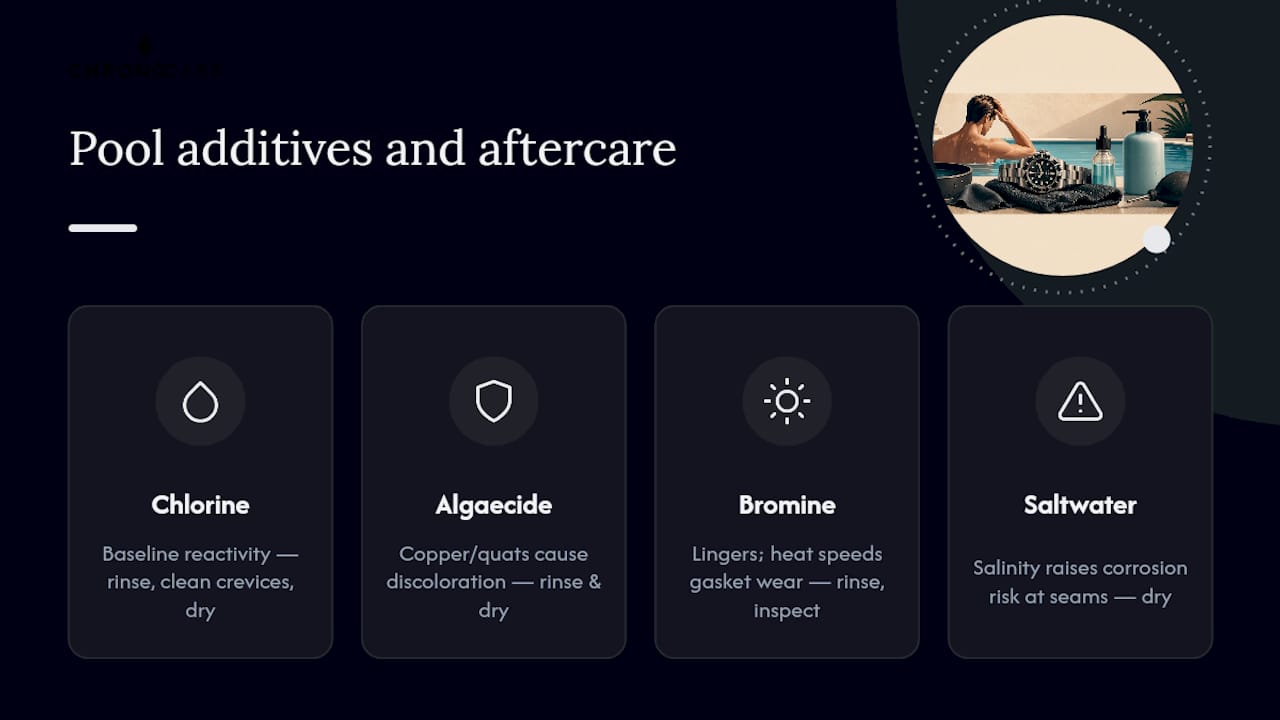
Pool water is rarely just chlorine. Most public and residential pools also carry algaecides, pH balancers like sodium bicarbonate, clarifiers, and in some cases bromine as a supplemental sanitizer. Each of these adds its own chemical load on top of chlorine’s baseline reactivity.
Algaecides in particular tend to contain copper or quaternary ammonium compounds, both of which can contribute to discoloration on plated or gold toned surfaces faster than chlorine alone would. Saltwater pools present a related but distinct problem: they generate chlorine electrolytically, so the water still carries an active chlorine load, but the added salinity introduces its own corrosion risk to any exposed metal, particularly at laser engraved casebacks or seams where plating meets base metal.
Bromine, used in some hot tubs as a chlorine alternative, is gentler on skin but not necessarily gentler on watch seals. It behaves similarly to chlorine chemically, and combined with hot tub heat, it produces the same accelerated gasket wear discussed earlier, sometimes worse, since bromine tends to linger in water longer than chlorine.
The practical takeaway doesn’t change much across additive types: the aftercare routine that removes chlorine residue also removes algaecide and bromine residue. Rinse promptly, clean the crevices, and dry fully. What changes is your vigilance. If you swim in a heavily treated pool or a bromine hot tub, treat every session as higher risk and inspect gaskets more often than you would for a lightly chlorinated backyard pool.
How Do You Verify Water Resistance After Swimming?
You can’t visually confirm a seal is intact, but there are a few checks that flag trouble early, along with one you should leave to a professional.
Start with the simple visual inspection. Look under the crystal for any haze or droplets, which almost always means moisture already got in. Check the caseback gasket area for any visible gap or crumbling rubber if you can access it without opening the case yourself. Listen for the watch. A mechanical movement that sounds different, ticks unevenly, or has stopped outright after a swim has likely taken on moisture.
A basic home test some collectors use is the “fog test”: breathe warm air onto the crystal briefly and watch how the condensation clears. If it clears slowly or leaves a persistent haze on the inside of the crystal rather than the outside, that suggests moisture is already trapped inside the case, not just on the surface.
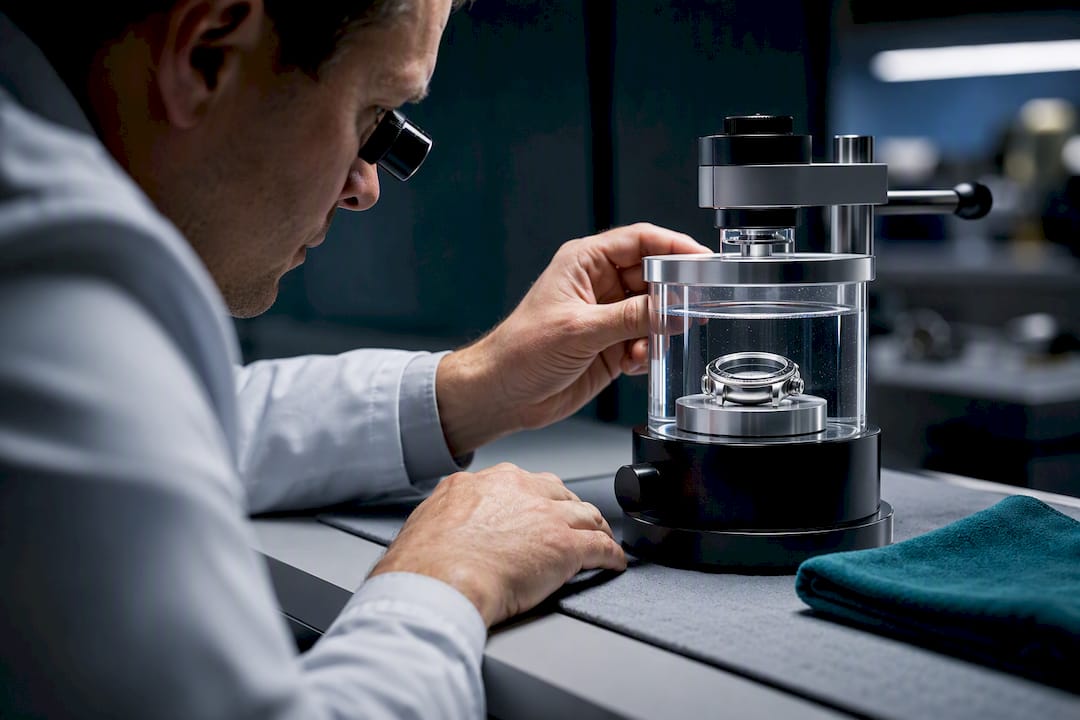
None of these home checks replace an actual pressure test, though. A watchmaker verifies water resistance with dedicated equipment that pressurizes the case and measures for microscopic leaks, something no home method can replicate accurately. If your watch is rated 100 meters or higher and you swim regularly, an annual pressure test is the only way to know your seals still perform at their rated depth, not just that the watch “seems fine” after a swim.
Wearing Watches vs. Preserving Them: My Take
Collectors love the idea of wearing everything, but vintage pieces and pools don’t mix. My honest recommendation: dedicate one rubber-strapped or bracelet sport watch to water activities, and reserve anything vintage or leather-strapped for dry wear only. If you swim weekly, get gaskets checked twice a year, not once. Keep a simple log of pool and hot tub exposures. It sounds tedious until it saves you a flooded movement.
— Raymond Jenkins
Which ChronoCare Kit Fits Your Post Swim Routine?
If you swim often enough to worry about chlorine buildup, the right cleaning kit saves you a repair bill down the line. ChronoCare’s Ultimate Watch Cleaning Kit is built for exactly the routine described above: flushing residue from bracelet links and case crevices where a rinse alone doesn’t reach.
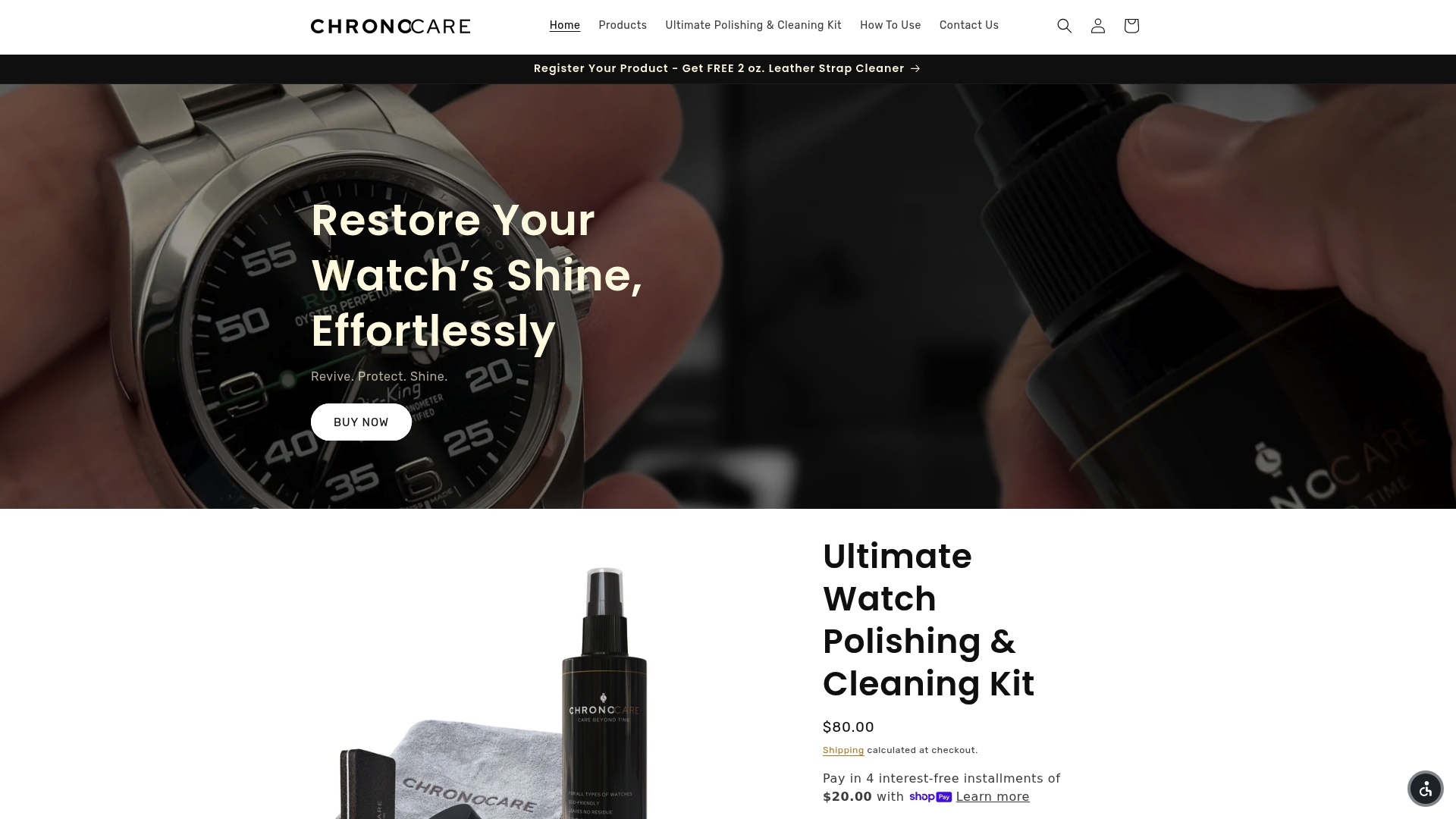
If your main concern is a plated finish that’s started to dull or discolor after a summer of pool visits, the Ultimate Watch Polishing & Cleaning Kit pairs cleaning with light restoration in one pass. For a case that just needs its shine brought back without a full cleaning routine, the Watch Polishing Cream handles minor surface dulling on metal cases. Pick based on material: stainless steel and titanium bracelets tolerate the full cleaning kit well, while plated surfaces do better with a gentler polish-first approach. Whichever you choose, start your next post-swim routine with a kit that matches your watch, before residue has a chance to sit.
Sources
- Chlorine gas toxicity — NCBI Bookshelf
- Agency for Toxic Substances and Disease Registry — Chlorine (and hypochlorite) profile
- Things to avoid | CITIZEN WATCH Global Network
- Water resistance in your luxury watch: How deep can your watch go? — Wristler
- Smartwatch Water Resistance: Why Swimming Might Ruin Your Watch — PhoneBot
- 4 Things You Need to Know Before Wearing Your Watch in Water — The Watch Doctor
FAQ
Will Chlorine Ruin My Jewelry?
Chlorine can dull gold and damage certain gemstones and plated finishes over repeated exposure, similar to how it degrades watch plating, so rinsing jewelry promptly after swimming is worth the habit too.
Can I Wear My Apple Watch or Other Smartwatch in Chlorine?
Most current smartwatches carry a water resistance rating suitable for shallow pool swimming, but chlorine still degrades their seals and buttons over time the same way it affects mechanical watches, and manufacturers generally recommend a fresh water rinse afterward.
Can Water Damage to a Watch Be Fixed?
Often, yes. A watchmaker can dry out the movement, replace corroded parts, and fit new gaskets, though the outcome depends on how long moisture sat inside before you brought it in.
Can I Wear My Rolex in a Pool?
Most modern Rolex sport models are rated for swimming when the crown is fully screwed down, but chlorine still calls for a prompt rinse afterward, and vintage Rolex pieces should be kept out of the water entirely given their older gaskets.