

Clean Your Watch After Swimming: 30–60 Seconds to Protect Its Value
For a modern, tested water-resistant mechanical watch, the safe routine is simple: confirm the crown and pushers are fully closed, rinse under cool fresh running water for about 30 seconds, then dry it completely before you touch the crown again. This applies to pieces with a known, recent water-resistance rating. If your watch is vintage, has an unclear service history, or shows any case damage, skip the rinse and keep it dry until a watchmaker checks it. We built this guide the way our team at ChronoCare approaches every piece: carefully, and with the goal of protecting value, not just removing salt.
TL;DR:
- Skip water entirely on vintage watches, pieces with unclear service histories, loose crowns, chipped crystals, or other case damage until a watchmaker inspects them.
- Leather straps should never be soaked, so remove them before swimming; clean metal bracelets briefly with lukewarm water, neutral soap, and a soft brush.
- Never place an assembled watch in an ultrasonic cleaner, since professional ultrasonic treatment requires removing the movement and separating the case and bracelet.
- Swimmers should schedule annual water resistance checks and professional service every 5 to 8 years, depending on use, because seals age without visible damage.
- Wipe watches daily, rinse them after salt or chlorinated water exposure, and clean them monthly if they see frequent pool or ocean use.
Table of Contents
- Check these safety points before you rinse or clean your watch
- The 30 to 60 second routine that stops salt and chlorine damage
- Cleaning each strap and case material the right way
- When to inspect further and call in a professional
- Building a cleaning cadence that protects collector value
- A collector’s take on small habits that actually protect value
- ChronoCare products built around this exact routine
- FAQ
- Sources
Check these safety points before you rinse or clean your watch
Before any watch touches water or a cleaning cloth, confirm it is actually set up to handle it. Water resistance is not a fixed property. It depends on gaskets, crown function, and case integrity, all of which change over time.
- Check the reference’s current water-resistance rating and any activity guidance from the maker, since ratings apply only when the case, crown, and gaskets are in good condition.
- Make sure the crown is pushed fully in or screwed down, and that chronograph pushers are seated and not partially engaged.
- Inspect the crystal, crown tube, pushers, and case back visually for cracks, chips, or grit that could let water past a seal.
- If anything is uncertain, such as a vintage piece, a loose-feeling crown, or a chipped crystal, leave the watch dry and have a watchmaker look at it first.
Confirming crown position is the step most owners skip, yet it is the one most water ingress incidents trace back to, according to specialist water-resistance guidance.
The 30 to 60 second routine that stops salt and chlorine damage
Once you have confirmed the watch is sealed and intact, the window right after swimming matters most. Salt crystals and chlorine residue start etching metal and degrading gaskets the moment they dry on the case.
- Rinse the watch under cool, fresh running water with the crown closed, for about 30 seconds.
- If it has a rotating bezel, turn it back and forth under the water to flush salt from the bezel track.
- Pat dry with a soft, lint-free cloth, then use an air puffer to clear water from lug crevices and bracelet links.
- Let the watch air-dry fully before you unscrew or pull the crown for any reason.
A quick rinse after salt or chlorine exposure is considered one of the most effective habits for everyday watch longevity, since it prevents residue from sitting on finishes long enough to cause abrasive wear. Avoid hot water, steam, pressurized jets, and never touch the crown or pushers while the case is still wet. If you swim regularly, build an annual pressure test into your calendar rather than waiting for a problem to show up.
Pro Tip: Keep a small squeeze bulb or lens blower in your dive bag. It clears water from bracelet links faster and more safely than shaking or tapping the watch.

For a closer look at this habit, our saltwater rinse guide walks through the full 30-second routine step by step.
Cleaning each strap and case material the right way
Different materials need different handling, and treating a leather strap like a rubber one (or vice versa) is one of the fastest ways to cause damage that looks like normal wear.
- Metal bracelets: soak briefly in lukewarm water with a drop of neutral soap, work a soft brush between the links, rinse, then dry and buff along the brushing direction. Remove the bracelet for deeper cleaning if you are not confident doing it on the wrist.
- Rubber and synthetic straps: wash with mild soap and water, rinse fully, inspect for cracking from UV or sunscreen exposure, and dry flat rather than coiled.
- Textile and NATO straps: remove the strap and launder it according to the maker’s guidance; always rinse after salt exposure and let it dry completely before refitting.
- Leather straps: never soak them. Wipe with a barely damp cloth, condition sparingly, and consider swapping to a rubber or metal strap before swimming in the first place.
- Crystals and case finishes: clean with a microfiber cloth only, and avoid circular polishing motions on brushed surfaces, which can leave visible swirl marks.
Professional cleaning protocols separate the movement, case, and bracelet for ultrasonic treatment, and specialists are clear that assembled watches should never go into an ultrasonic bath. Avoid solvents, steam, and hot water across every material. For rubber-specific detail, our rubber strap cleaning guide covers the full process.
When to inspect further and call in a professional
After cleaning, give the watch a close look before you consider it done. A few warning signs mean it is time to stop handling the case yourself.
- Condensation or fogging under the crystal, which signals moisture has already gotten inside.
- A gritty or binding feel when you operate the crown, which suggests salt or sand has reached the stem seal.
- Persistent dampness around the case back or lugs after a full day of air-drying.
- Any trapped salt crust or sand in the bezel track or bracelet links that rinsing did not remove.
Manufacturers generally recommend an annual water-resistance check for anyone who swims regularly, with a full professional service every 5 to 8 years depending on use, since gaskets age and water resistance can degrade even without visible damage. Case opening, gasket replacement, and disassembled ultrasonic cleaning are professional-only procedures. Store the watch dry and avoid operating it until a watchmaker resolves whatever triggered the concern.
Building a cleaning cadence that protects collector value
A practical rhythm works better than reacting only when something looks dirty. We recommend a daily wipe with a soft cloth, an immediate rinse any time the watch meets salt or chlorinated water, and a more thorough monthly clean for pieces worn often in the pool or ocean. That monthly pace matches what specialist maintenance guides suggest for sports watches, versus lighter upkeep for dress pieces.

Reach for a dedicated cleaning kit and polishing cream when residue has built up in links or when light surface marks appear, and stick to soap and water for routine upkeep between those sessions. Preserving seals means avoiding heat, solvents, and over-polishing, since internal components respond poorly to household chemicals formulated for other surfaces. We recommend using products specially formulated for luxury watch care, which is the standard to aim for in every routine.
A collector’s take on small habits that actually protect value
The watches that hold up longest are not the ones with the highest water-resistance rating on paper. They belong to owners who rinse within minutes, dry fully before touching the crown, and treat a vintage piece as drier-friendly, not swim-friendly. That 30-second habit matters more than most people expect, and scheduling a pressure test before swimming season is cheaper than any repair that follows a missed one.
— Raymond Jenkins
ChronoCare products built around this exact routine
Once the habits above are part of your routine, the right products make them faster and more consistent. Several products are designed to support the steps in this guide:
- Our Ultimate Watch Cleaning Kit covers both the immediate rinse-day wipe-down and the monthly deeper clean for bracelets and cases.
- Our Ultimate Watch Polishing & Cleaning Kit handles light surface marks and residue buildup without the abrasive risk of generic household products.
- Our Watch Polishing Cream restores shine to metal cases and bracelets after the brushing and buffing step described above.
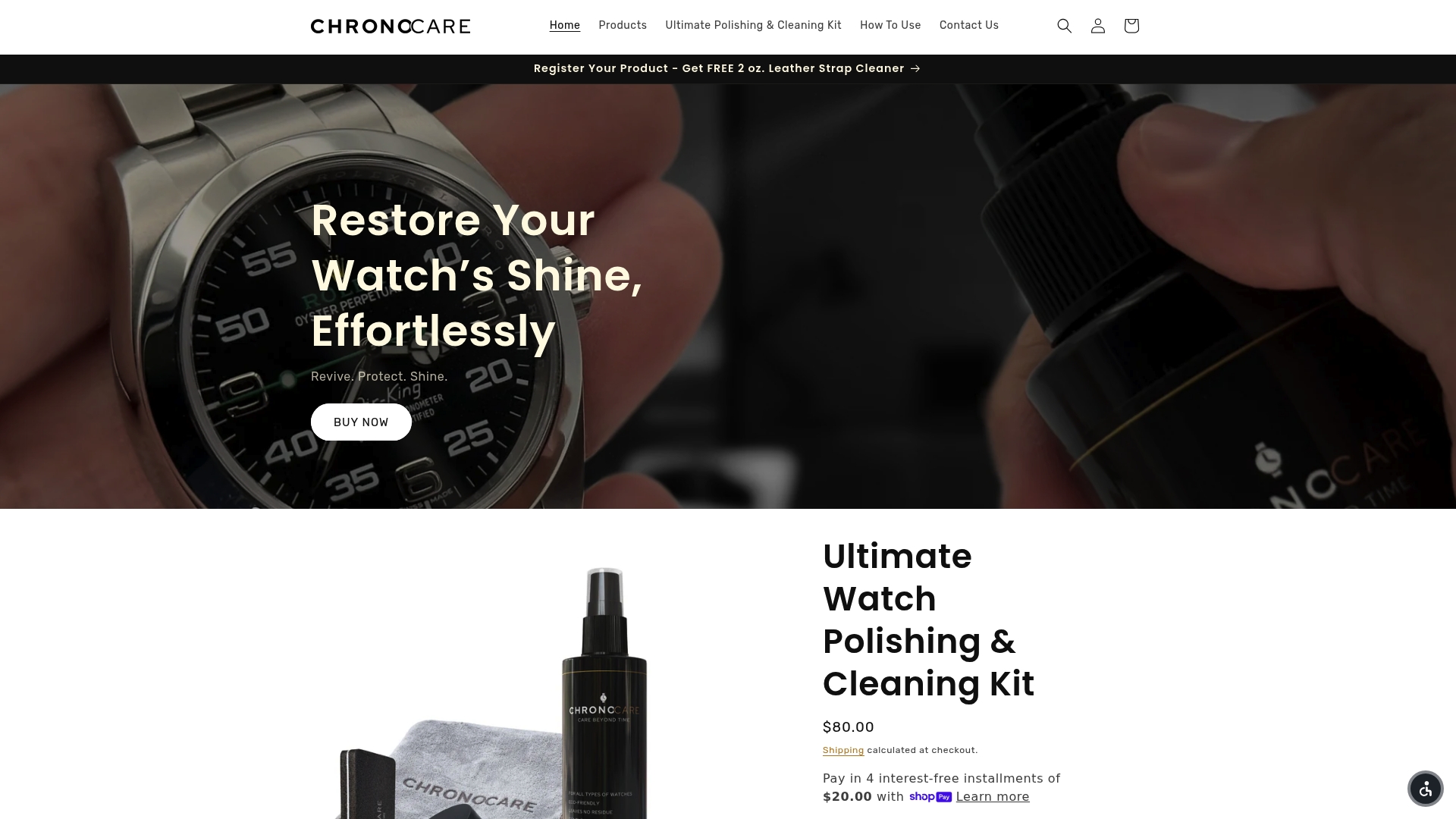
If you swim with your watch regularly, or you maintain pieces for clients, these kits fit directly into the cadence we described: daily wipe, immediate rinse, monthly deep clean. Browse the full lineup at ChronoCare and pick the kit that matches how often your watch sees water.
FAQ
How soon should you rinse a watch after swimming?
Rinse within a few minutes of leaving the water, ideally right away, under cool fresh running water for about 30 seconds. This keeps salt or chlorine from drying on the case and abrading finishes or gaskets, a habit specialist care guides treat as the single most effective daily step for watch longevity.
Can you clean a watch bracelet with soap and water?
Yes, a brief soak in lukewarm water with a drop of neutral soap, followed by a soft brush between the links, is a safe way to clean most metal bracelets. Rinse thoroughly afterward and dry fully before buffing along the brushed grain, as outlined in manufacturer cleaning guidance.
Is it safe to use ultrasonic cleaning on a watch at home?
No, ultrasonic cleaning is a professional technique performed with the case opened and the movement removed, and it should never be used on an assembled watch at home. Used improperly, it can force water past aged gaskets and loosen internal components, which is why specialist watchmakers reserve it for disassembled service work.
How often should a water-resistant watch be pressure tested?
Most manufacturers recommend an annual water-resistance check for anyone who swims regularly, since gaskets age and lose their seal over time even without visible damage. A full professional service is typically due every 5 to 8 years depending on how often the watch is worn in water.
Should you remove a leather strap before swimming?
Removing a leather strap before swimming is the safer choice, since leather varies widely by lining and glue and some straps lose adhesion with even brief water contact. If you forget and the strap gets wet, wipe it with a barely damp cloth rather than rinsing or soaking it, following guidance for uncertain or delicate cases.
Sources
- How to Clean a Dive Watch, Collector’s Care Guide
- How to clean a watch | LONGINES US
- Preserve your OMEGA® Watch
- How to Clean and Maintain a Luxury Watch