

Collector Approved Suede Watch Strap Care: Brush, Powder, and the Right Kit
The safest way to clean a suede watch strap is to skip water and soap entirely and reach for a dry suede brush and suede eraser first. Most dust, light stains, and surface grime lift off with dry tools alone. For stubborn oil marks, an absorbent powder pulls the grease out before you brush it away. Keep your tools handy: a suede brush, a suede eraser, absorbent powder, a clean cloth, and a specialist suede cleaner for tougher jobs. Always take the strap off the watch first and keep any product away from the case.
TL;DR:
- Suede straps should be cleaned with a dry suede brush and eraser, avoiding water or soap to prevent deep absorption of dirt and stains.
- Applying a protector spray before first use and reapplying every few months helps reduce moisture absorption but does not make suede waterproof.
- Regular brushing after each wear and rotating multiple straps extend their lifespan, as frequent sweat exposure degrades the material internally.
- Oil stains should be treated with absorbent powders like cornstarch or talc, and water-based cleaning is only safe when the entire strap is dampened evenly and dried flat.
- For persistent stains or damage, professional repair or replacement is often more effective than attempting aggressive cleaning.
Table of Contents
- What Makes Suede Different from Smooth Leather
- Is Suede Watch Strap Waterproof?
- Building a Simple Suede Strap Maintenance Routine
- Step-by-Step Cleaning for Dust, Oil, and Water Marks
- Drying Suede Correctly and Fixing Common Mistakes
- When Suede Damage Means Replacement, Not Cleaning
- Product Choices and Safe Application Order That Actually Work
- A Collector’s Take on Suede Straps
- Get the Right Tools for the Job
- Sources
- FAQ
What Makes Suede Different from Smooth Leather
Suede is split leather with the fuzzy, napped side facing out instead of the smooth grain side. That texture is what gives it the soft, matte look watch enthusiasts love, but it’s also what makes it a headache to clean. The open, porous surface soaks up liquids and traps dirt deep in the fibers rather than letting it sit on top the way smooth leather does.
- Suede has no protective top coat, so oils and water penetrate almost immediately
- Nap direction matters. Brushing against the grain flattens the texture and can look like a stain
- Nubuck is a close cousin (also napped, also porous) but tends to be slightly more durable
- Smooth leather tolerates gentle water and conditioner cleaning; suede is porous, and its nap makes it vulnerable to water and sweat(https://watchbandit.com/blogs/blog/suede-watch-straps-everything-you-need-to-know-before-you-buy), so the same methods backfire
That vulnerability isn’t a design flaw. It’s the tradeoff for the texture that makes suede desirable in the first place.
Is Suede Watch Strap Waterproof?
No. Suede is not waterproof, and even a light splash can leave a permanent tide mark or stiffen the fibers where it dried unevenly. Protector sprays help reduce how much moisture soaks in, but they don’t turn suede into a strap you can wear in the rain or the shower.
- Test any protector spray on a hidden section first since some sprays darken suede slightly
- Spray from at least six inches away and mask the case and buckle to avoid overspray
- Reapply every few months if you wear the strap often, not just once at purchase
Think of a protector spray as an umbrella, not a raincoat. It buys you a little margin, not immunity.
Building a Simple Suede Strap Maintenance Routine
Suede rewards small, consistent habits far more than occasional deep cleaning, as detailed in these watch maintenance tips for keeping your luxury timepiece flawless. A five-minute routine after wear does more for longevity than an aggressive scrub once a month.
- Brush after every wear. A few passes with a suede brush, moving with the nap, lifts dust before it settles into the fibers.
- Rotate straps regularly. Wearing the same suede strap daily concentrates sweat exposure right where the buckle sits, and sweat’s salts and acids work into the fibers over time, degrading the leather from the inside even before you see a mark.
- Apply protector spray before the first wear, then touch it up every couple of months depending on how often you wear the strap.
- Store it flat in a cool, dry spot away from direct sunlight, which fades suede’s color unevenly over time.
Pro Tip: Keep two or three straps in rotation and treat suede as your dry-weather option. It’s a strap for a dinner reservation, not a rainy commute.
Step-by-Step Cleaning for Dust, Oil, and Water Marks
Before touching any cleaning tool, take the strap off the watch. Working on a flat, clean surface protects the case and dial from stray powder, brush bristles, or moisture.
- Dust and general dirt. Brush in the direction of the nap using a dedicated suede brush. A soft toothbrush works as a substitute in a pinch if you don’t have one on hand. If a mark persists, a suede eraser (a firm rubber block made for this exact job) lifts it without wetting the surface.
- Oil stains. Cover the mark with an absorbent powder like cornstarch or plain talc and let it sit for a few hours, ideally overnight. The powder pulls the oil out of the fibers, and you brush away the residue afterward. Repeat once or twice if the stain is old or heavy. Never try to blot oil out with water. It spreads the stain and adds a second problem on top of the first.
- Water and tide marks. Counterintuitive but true: if part of the strap is already wet, don’t try to dry-spot the damp area. Dampening the entire strap evenly and drying it flat reduces the visible ring that forms when only part of the surface dries first. A slightly damp cloth wiped end to end, followed by flat air-drying, is the safer route.
- When to stop. If a stain doesn’t respond after two rounds of powder or brushing, or if the strap feels stiff or brittle anywhere, stop. Continued scrubbing at that point usually makes things worse, not better.
For comparison, cleaning a smooth leather strap allows for gentle water and conditioner use in a way suede simply doesn’t tolerate.
Drying Suede Correctly and Fixing Common Mistakes
Air-dry flat at room temperature, always. Direct heat from a hairdryer or radiator, and direct sunlight, both cause suede to stiffen and shrink unevenly as it dries too fast.
- Once completely dry, brush against and then with the nap to restore the fuzzy texture
- A handheld steamer held several inches away can loosen flattened nap; test briefly first
- Minor tide lines often soften after a full even-dampen-and-dry cycle, sometimes more than once
- Deep discoloration from old water damage or dye transfer is frequently permanent.
Pro Tip: Never brush suede while it’s still damp. Wet nap mats down under brush pressure and can dry that way permanently.
When Suede Damage Means Replacement, Not Cleaning
Some damage is cosmetic and forgivable. Some is structural, and no amount of brushing fixes it.
- Cracking or tearing around the buckle or lug holes signals the leather itself has weakened
- Delamination, where the suede surface separates from the backing layer, cannot be repaired at home
- Severe stiffness across the whole strap, even after conditioning attempts, often means the fibers have broken down internally
If a strap has been heavily soaked or shows this kind of structural failure, professional cleaning or replacement is the safer call. A qualified leather restorer or your watchmaker’s service department can assess whether it’s salvageable, and most straightforward suede strap replacements run a modest cost compared to the price of the watch they protect.
Product Choices and Safe Application Order That Actually Work
The tools matter less than the order you use them in. Dry brush first, always. Suede eraser second, for anything the brush leaves behind. A specialist suede cleaner comes last, and only for marks that survive the first two steps.
- Choose a natural bristle suede brush over stiff synthetic ones, which can tear delicate nap
- Reserve liquid suede cleaners for isolated stains, never a full-strap wipe-down
- Keep any spray or liquid product at least a few inches from the case, crown, and lugs at all times
- A protector spray applied before first wear reduces absorption of light moisture, though it’s a prevention step, not a cure for existing damage
Cleaning kits for suede straps often follow this sequence: brush, then eraser, then a suede-safe cleaner reserved for what the first two steps can’t handle. Products formulated specifically for leather care avoid the harsh detergents that strip suede’s natural texture, which is the mistake that ruins most straps in the first place.
A Collector’s Take on Suede Straps
Suede earns its keep for a handful of wears a season, not daily rotation. I treat it as the strap for dry evenings and dress watches, then swap to rubber or nylon the moment weather or sweat becomes a factor. Store it flat between wears, pair it with dressier pieces, and accept that a little extra care buys real longevity. The tradeoff between how good suede looks and how long it lasts is worth making consciously, not by accident.
— Raymond Jenkins
Get the Right Tools for the Job
Most suede strap problems come down to using the wrong tool, not doing too little cleaning. A dedicated brush, eraser, and suede-safe cleaner solve nearly everything covered above without risking the case or movement.
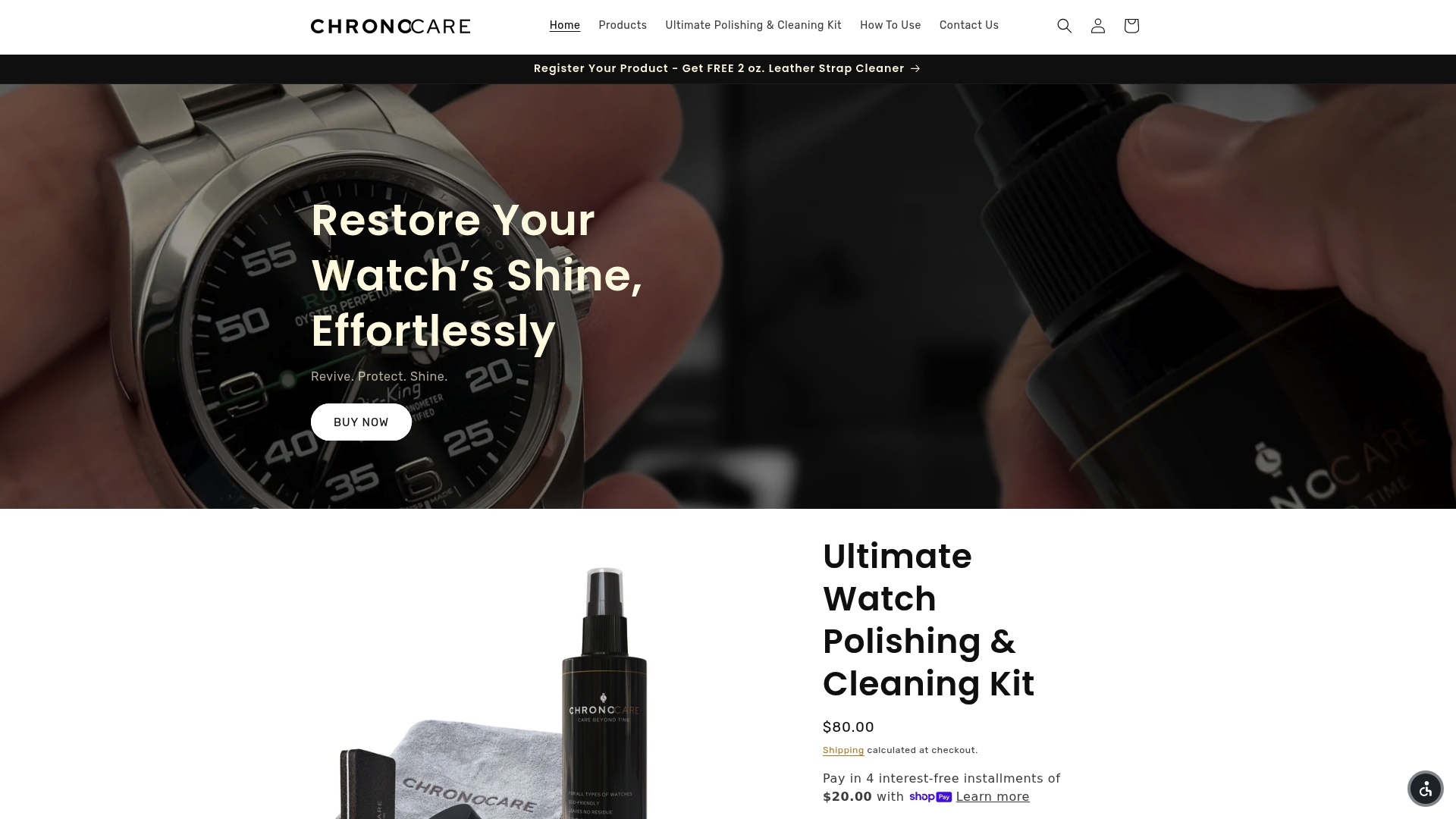
The Ultimate Watch Cleaning Kit bundles a suede brush, cleaning solution, and application tools designed to match the exact sequence this guide walks through: dry brush, targeted spot treatment, then protection. If you’re also maintaining the case and bracelet, the Ultimate Watch Polishing & Cleaning Kit adds metal-safe polishing components so you’re not reaching for random household products near the dial. Keep any liquid cleaner or spray well clear of the case and crown while you work on the strap. Choose a kit with the right tools on hand before the next stain shows up.
Sources
For deeper reading, see Watchbandit’s guide to suede straps, Condor’s suede care guide, and Hodinkee’s strap care advice.
- Suede Watch Straps: Everything You Need to Know Before You Buy
- How to Clean a Watch Strap at Home – Full Guide 2026
- How To Clean And Care For Your Watch Straps - Hodinkee
FAQ
How Do You Clean Suede Without Ruining It?
Brush in the direction of the nap with a dry suede brush, use a suede eraser on stubborn marks, and treat oil stains with absorbent powder rather than any liquid.
Can You Use Dawn Dish Soap on Suede?
No. Dish soap is formulated for cutting grease with water, and both the water and the detergent will leave stains, stiffen the fibers, and strip suede’s natural texture.
What Should You Never Use on a Suede Strap?
Avoid dish soap, all-purpose leather conditioners made for smooth leather, direct heat, and any spot-wetting technique that dampens only part of the strap.
Can You Use Alcohol Wipes to Clean a Watch Strap?
Alcohol wipes are too harsh for suede. They strip natural oils from the fibers and can cause discoloration; stick to dry brushing or a suede-specific cleaner instead.
How Often Should You Clean a Suede Watch Strap?
Brush after every wear and do a deeper check for stains weekly if you wear it often; rotating it with other straps cuts down how much cleaning it needs overall.